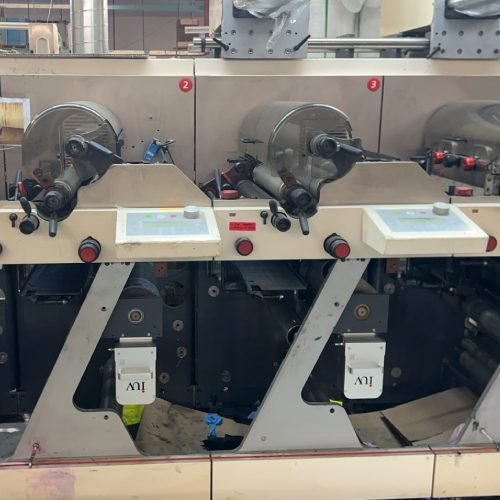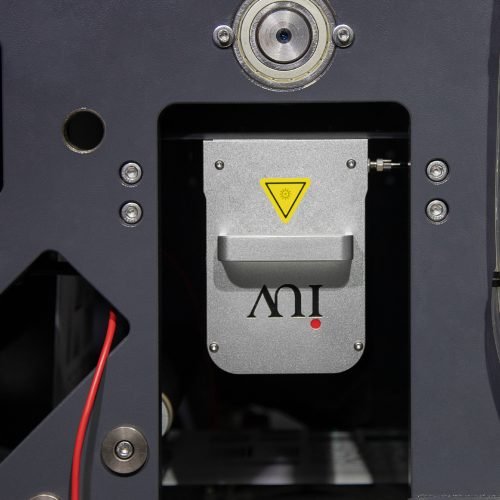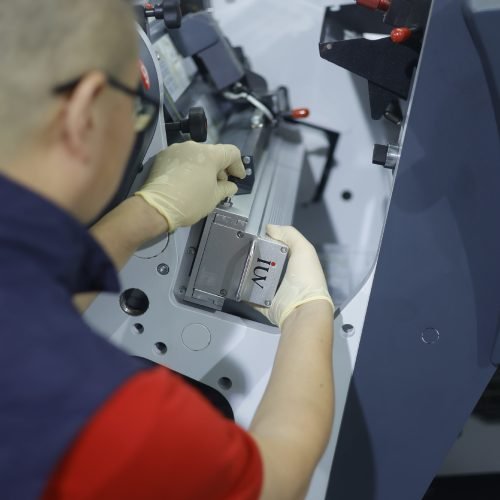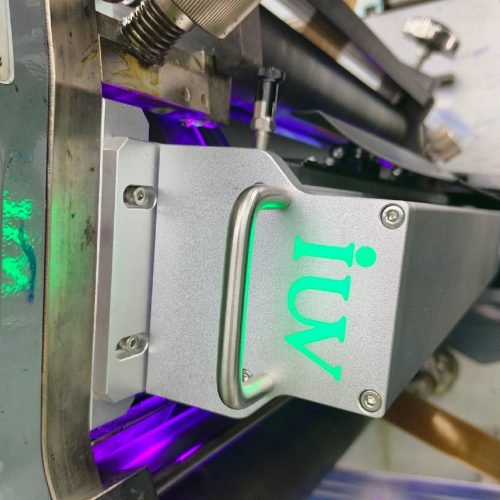
Maintaining UV LED curing systems in printing operations isn’t just about prolonging equipment life—it’s about ensuring consistent print quality, minimizing downtime, and keeping energy costs predictable. Whether you’re running labels on a narrow-web press, flexo jobs on packaging materials, or offset sheets for commercial print, the principles of UV LED care intersect with your specific process. Let’s break this down without the jargon.
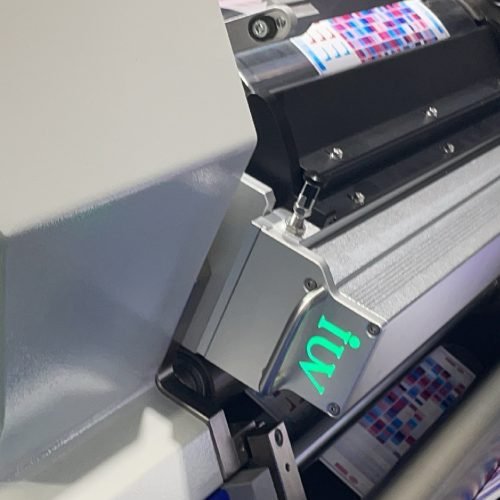
Start with the optics. UV LED systems rely on clean lenses and reflectors to deliver precise curing energy. In label printing, where fine details matter, even a thin layer of ink mist or dust can scatter UV light, leading to incomplete curing at the edges of small text or intricate graphics. Use lint-free wipes and optical-grade cleaning solutions weekly. For flexo shops printing on porous substrates, airborne particles from paper or film stock demand more frequent lens checks—twice a week isn’t overkill.
Thermal management separates reliable systems from problem-prone setups. A UV LED array in a sheetfed offset press running heavy ink coverage needs active cooling to maintain wavelength stability. Check heat sinks quarterly for dust buildup—compressed air works, but avoid dislodging thermal paste. In narrow-web tag and label environments, where presses often run 24/5, install temperature sensors to log fluctuations. Spikes often correlate with ambient humidity changes, which affect heat dissipation.
Ink compatibility isn’t a “set and forget” factor. Newer LED-curable inks for offset applications have photoinitiators tuned to specific nanometer ranges (385-405nm is common). If your pressroom switches ink suppliers, retest cure speed and film hardness. One flexo printer learned this the hard way after a “like-for-like” ink change caused pinholing on shrink sleeves—turned out the new formulation required 15% higher irradiance. Keep a log of ink batches and their cure parameters.
Conveyor and reflector alignment matters most in hybrid setups. Say you’ve retrofitted a legacy offset press with UV LED units. If the reflectors aren’t angled to match the sheet’s path, you’ll get uneven curing across the sheet. Use a radiometer monthly to map intensity across the web or sheet. Found a 20% drop on the lead edge? Check reflector positioning before blaming the LEDs.
Moisture is the stealth enemy. In carton printing plants with high humidity, condensation can form on LED lenses during press shutdowns. A packaging converter in Thailand solved their intermittent curing issues by adding desiccant cartridges to the lamp housings. For coastal facilities, corrosion-resistant coatings on electrical connectors prevent micro-arcing that can fry control boards.
Dosage consistency ties everything together. Let’s say your flexo press runs unsupported films at 200 fpm. A 10% drop in UV intensity might not show up immediately but will reduce ink adhesion over time. Implement a quarterly dosage test using cure strips—compare against baseline readings from when the system was new. Track the decay rate to predict bulb replacement needs.
Preventive maintenance kits save headaches. Stock spare lenses (₹8,000-₹12,000 each), spare fans (₹2,500), and a backup power supply module. When a UV LED unit on your mid-web press fails during a rush job, swapping a fan in 20 minutes beats waiting three days for a part.
Lastly, train press operators to listen. A high-pitched whine from the cooling fans often precedes bearing failure. Teach them to recognize the smell of overheating electronics—burnt insulation has a sharp, acrid odor. Catching these early signs cuts repair costs by up to 60% compared to waiting for total system failure.
Every print process stresses UV LED systems differently. Offset’s stop-start cycles thermal shock the arrays. Flexo’s long runs test continuous cooling. Narrow-web’s job changes introduce mechanical vibrations. Tailor your maintenance rhythm to these realities, and you’ll avoid 80% of common curing defects—from ink rub-off on labels to delamination on laminated cartons.