Understanding Narrow Web Printing in Modern Label Production
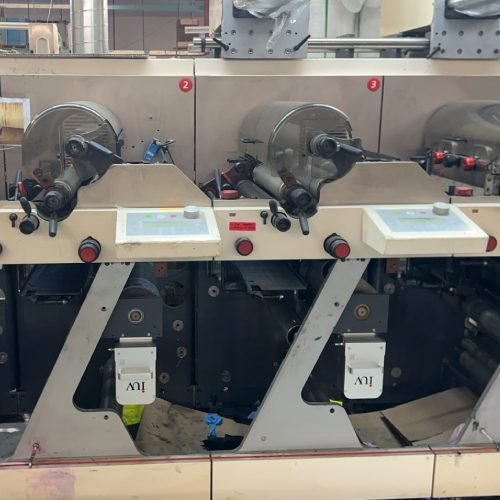
Narrow web printing specializes in producing labels, flexible packaging, and short-run materials using presses with web widths typically under 20 inches. Its precision and adaptability make it ideal for industries requiring high-quality graphics, variable data, or specialized finishes. Unlike wider formats, narrow web systems excel in rapid job changeovers, minimizing downtime while maintaining consistent print quality. Key applications include pressure-sensitive labels, shrink sleeves, and security printing, where detail and durability are non-negotiable.
Flexographic vs. Offset Printing: Choosing the Right Process
Flexographic printing dominates narrow web applications due to its compatibility with diverse substrates—films, papers, metallized surfaces—and ability to handle water-based or UV inks. Rotary dies, photopolymer plates, and quick-drying inks enable high-speed runs exceeding 600 feet per minute. Offset printing, while less common in narrow web, offers unmatched color consistency for intricate designs on coated papers. Hybrid systems now merge flexo’s versatility with offset’s precision, catering to brands demanding both speed and aesthetic refinement.
The Role of UV Curing in Accelerating Production
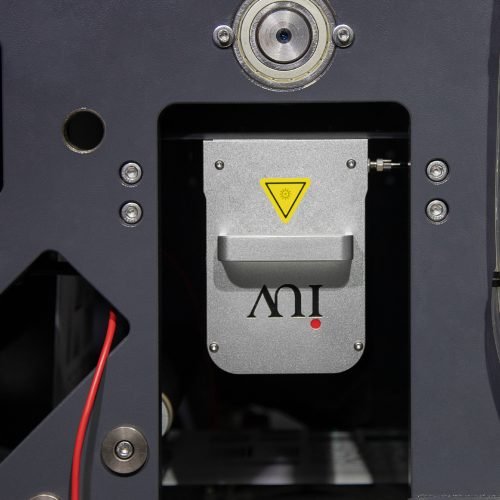
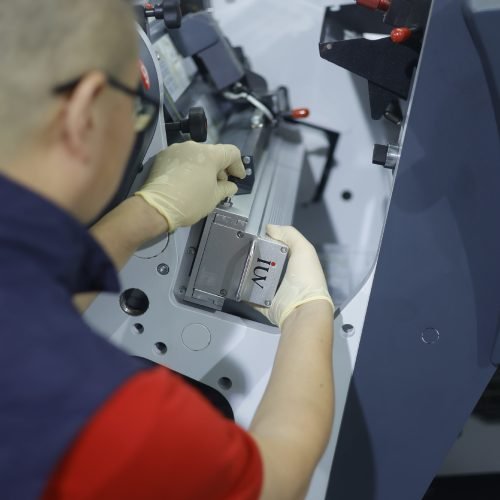
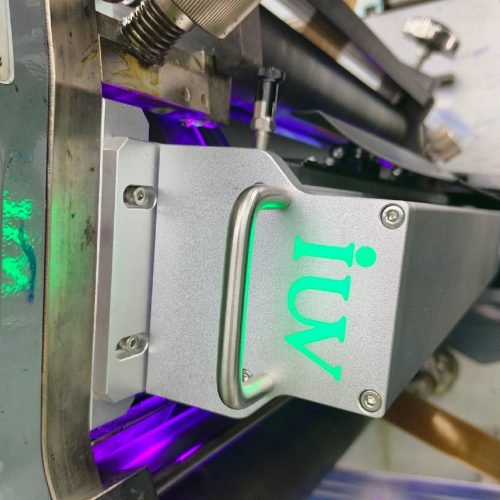
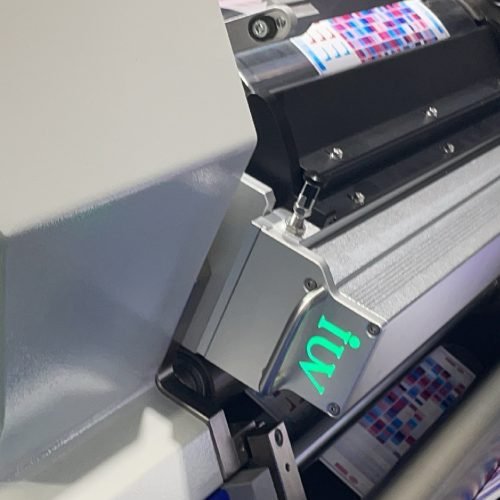
UV curing systems have revolutionized narrow web printing by replacing traditional drying methods with instant ink polymerization. As substrates pass under UV lamps, photoinitiators in the ink react to specific wavelengths, hardening layers within milliseconds. This eliminates solvent evaporation, reduces energy consumption, and allows immediate post-print processing. For high-speed operations, UV curing ensures smudge-free outputs even at 1,000 fpm, critical for time-sensitive orders like pharmaceutical labels or perishable goods packaging.
LED UV Technology: Efficiency Meets Sustainability
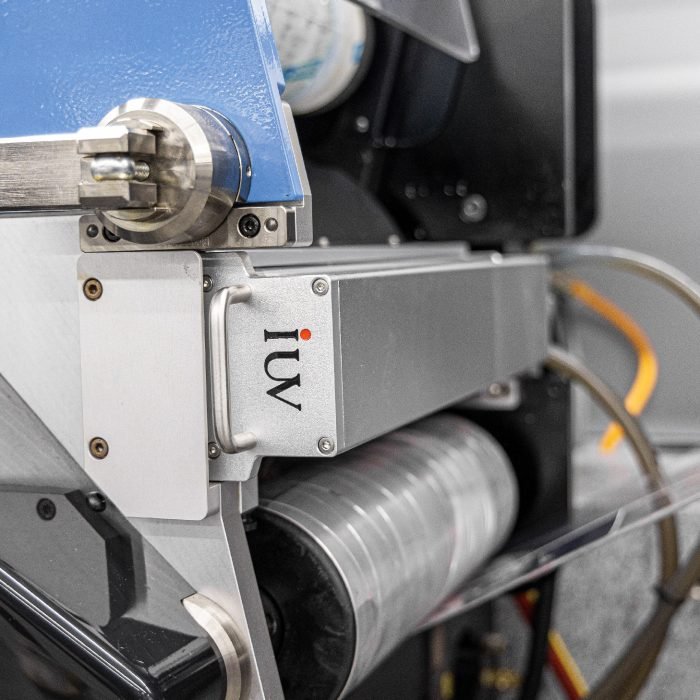
LED UV systems outperform conventional mercury-vapor lamps by targeting narrow wavelength ranges (365-405 nm) optimized for ink curing. Benefits include:
- 50-70% lower energy consumption
- Instant on/off functionality, eliminating warm-up delays
- No ozone generation or hazardous mercury
- Extended lamp lifespan (10,000 hours)
These features align with lean manufacturing principles, reducing waste and operational costs. LED UV’s cooler operation also prevents heat distortion on thin films or temperature-sensitive materials—a game-changer for PET labels and synthetic substrates.
Optimizing Adhesion and Curing Depth
Successful UV curing requires balancing lamp intensity, web speed, and ink chemistry. Excessive energy can over-cure surfaces, causing brittleness; insufficient exposure risks incomplete adhesion. Dual-cure formulations combining UV and moisture-curing mechanisms address challenges with porous materials like uncoated paper. For metallic or transparent films, primers enhance ink anchorage, while nitrogen inerting prevents oxygen inhibition during curing, ensuring glossy finishes and chemical resistance.
Troubleshooting Common Narrow Web Defects
Even with advanced systems, operators must monitor for issues like:
- Ink spreading: Adjust anilox volume or plate hardness.
- Poor curing: Check lamp alignment, reflector cleanliness, or ink photoinitiator levels.
- Substrate wrinkling: Optimize tension control or dryer temperatures.
Real-time UV dose monitoring via radiometers and automated ink viscosity controls mitigate these risks, maintaining throughput without compromising quality.
Future Trends: Smart Presses and Eco-Friendly Inks
The next evolution integrates IoT-enabled presses with predictive maintenance algorithms, analyzing UV lamp performance or ink usage patterns. Bio-based UV inks derived from renewable resins are gaining traction, reducing reliance on petrochemicals without sacrificing cure speed. As regulatory pressures mount, narrow web printers adopting these innovations will lead markets requiring agility, sustainability, and uncompromised print performance.
By harmonizing narrow web’s flexibility with UV curing’s precision, manufacturers achieve shorter lead times, reduced waste, and superior print outcomes—a necessity in industries where labels aren’t just identifiers but brand ambassadors.