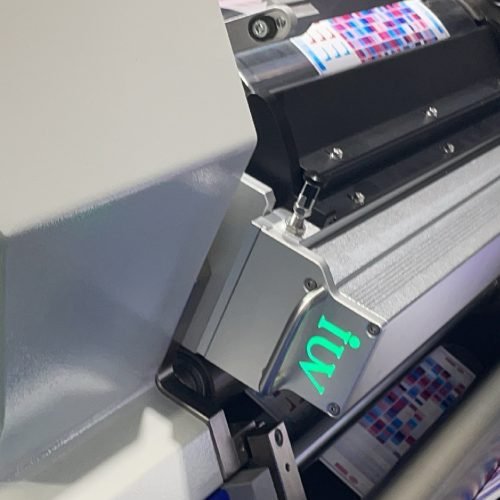
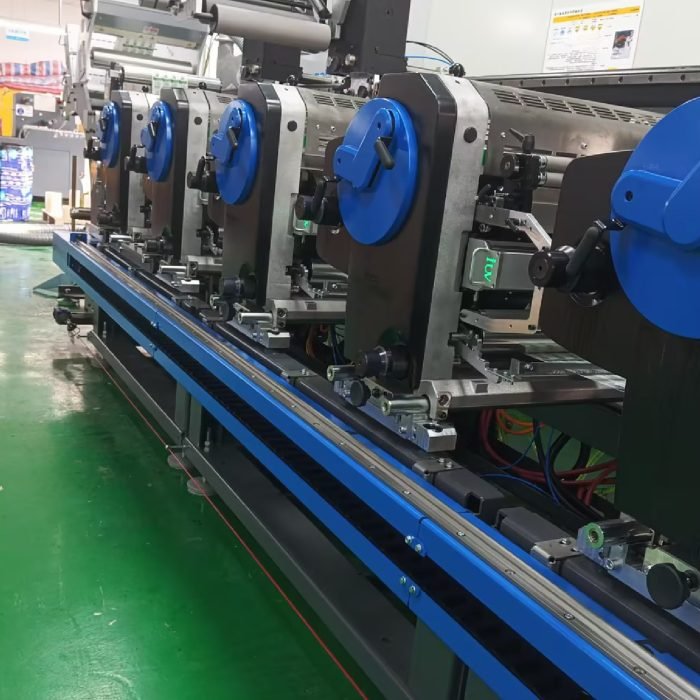
The world of narrow web printing thrives on precision. Every detail matters—vibrant colors, sharp text, durable finishes. But achieving these results often comes at a cost: energy-intensive processes, volatile organic compound (VOC) emissions, and limitations in substrate compatibility. Enter advanced LED curing systems, a game-changer redefining what’s possible in label, flexo, and offset printing.
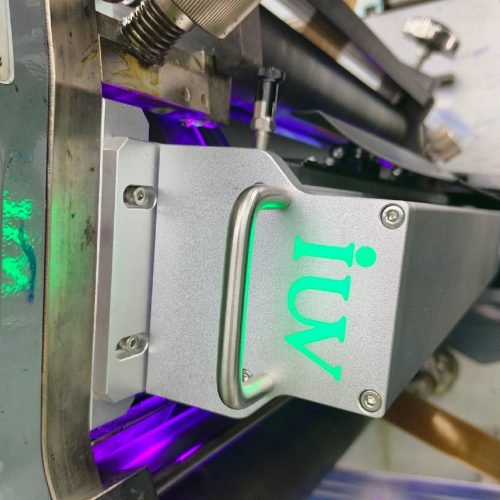
Why LED UV Curing Fits Narrow Web Like a Glove Narrow web presses operate in fast-paced environments—think labels for cosmetics, food packaging, or pharmaceutical products. Speed matters, but so does consistency. Traditional mercury-vapor UV lamps generate heat, causing thin films or heat-sensitive materials to warp. LED systems emit minimal infrared radiation, eliminating thermal distortion. This means polyester films, shrink sleeves, and even temperature-sensitive adhesives stay intact during curing.
The instant on/off capability of LEDs slashes downtime. No warm-up periods. No cooling delays between jobs. For printers handling short runs or frequent substrate changes, this translates to fewer wasted meters of material and faster turnaround times.
Flexo Printing’s Quiet Revolution Flexographic printers know the struggle of balancing ink viscosity, anilox roll selection, and drying times. LED-curable inks simplify this equation. Their lower viscosity allows finer anilox cells, transferring thinner ink films without sacrificing opacity. This precision reduces ink consumption by up to 30% in some cases while maintaining color density.
But the real magic happens in print quality. LED curing halts dot gain in its tracks. Without heat-induced plate expansion, halftones stay sharp, gradients remain smooth, and fine text stays legible—even on porous substrates like uncoated paper.
Offset’s Unexpected Ally Sheetfed offset dominates premium packaging, but UV curing historically challenged its delicate balance between ink tack and blanket release. LED UV inks, with their precise polymerization control, solve this. Press operators report fewer wash-ups, as these inks don’t skin over in fountains.
The lack of ozone generation removes the need for exhaust systems, a boon for facilities retrofitting older presses. Plus, LED’s directional light ensures even curing across textured stocks—no more tacky spots on embossed business cards or foil-laminated boxes.
Labels That Outlast the Product In label printing, durability isn’t optional. Wine bottles endure condensation. Cleaning products face abrasion. LED-cured UV inks crosslink more thoroughly than their mercury-cured counterparts, creating a denser polymer matrix. The result? Labels resistant to scratching, chemical exposure, and UV fading without bulky overlamination.
Recent advancements in photoinitiator chemistry allow curing thicker ink layers in a single pass. Metallic effects, high-build textures, and tactile varnishes now cure uniformly—something that often required multiple passes with conventional systems.
The Sustainability Play Print buyers increasingly demand carbon footprint data. LED systems cut energy use by 60-70% compared to traditional UV. Factor in the elimination of mercury disposal costs and VOC-reducing formulations (no solvents to evaporate), and printers gain a compelling ESG story.
Some converters leverage this in marketing: “This label was produced using 100% renewable energy and zero VOC technology.” It resonates with eco-conscious brands, particularly in cosmetics and organic foods.
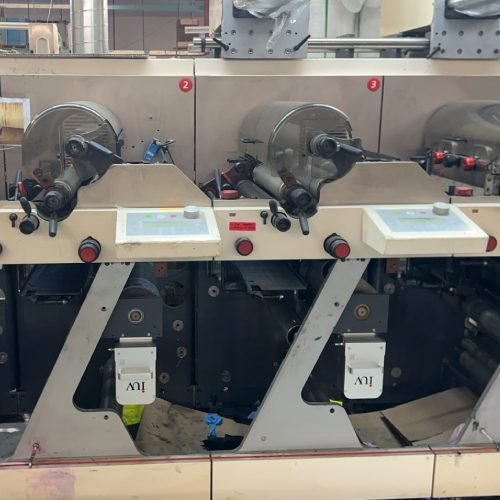
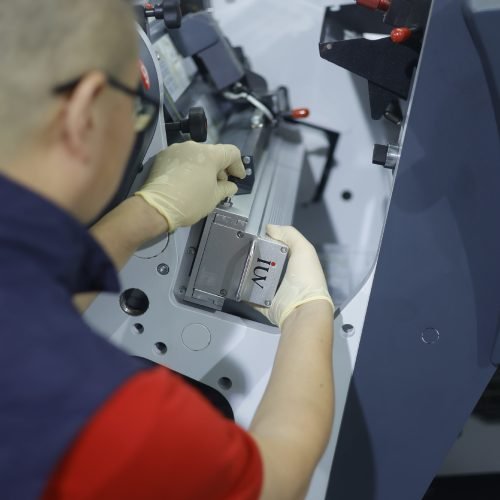
Retrofitting vs. New Presses Not every shop can invest in new equipment. Retrofit kits for existing narrow web presses have matured. Key considerations:
- Spectral matching (ensure LEDs emit at wavelengths your inks require)
- Cooling system integration (air vs. water-cooled units)
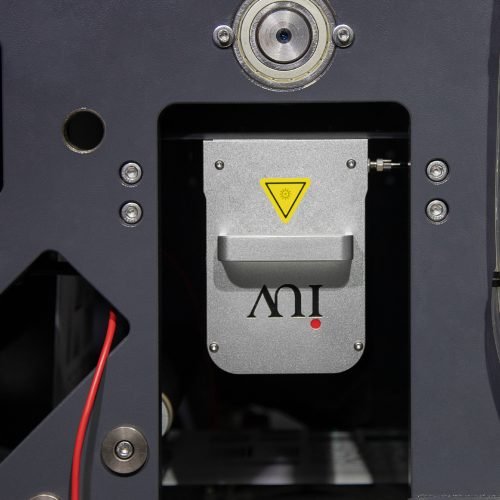
- Shutter mechanisms for precise exposure control
Successful retrofitters often start with a single unit for coating applications before expanding to full CMYK+ capabilities.
The Substrate Frontier LED UV’s cold cure opens doors to materials previously deemed unprintable. Heat-sensitive synthetic papers. Thin-gauge PET films. Even thermally reactive “smart” materials that change color with temperature. Early adopters experiment with printed electronics—conductive inks for NFC tags cure perfectly under LEDs without damaging underlying components.
Operator Wins Pressroom staff notice the difference immediately. No more UV-protective goggles. No burnt fingers from hot lamp housings. Reduced noise (those exhaust fans are loud). The maintenance checklist shrinks too—no lamp replacements every 1,000 hours, no reflector cleaning rituals.
The Road Ahead As LED wavelengths diversify (385nm, 395nm, 405nm), ink developers create formulations for niche applications. Near-infrared LED hybrids now tackle water-based coatings. The next frontier? Tunable-spectrum LEDs that adjust to different ink chemistries on the fly.
For narrow web converters, the calculation shifts from “Why switch?” to “How fast can we adapt?” The combination of lower operating costs, expanded capabilities, and marketability to sustainability-focused clients makes LED UV curing less an option than an inevitability in competitive print markets.
The quiet hum of LED arrays now underpins everything from minimalist skincare labels to intricate security prints. It’s not just about keeping up—it’s about reimagining what narrow web printing can achieve when freed from thermal constraints and environmental trade-offs.