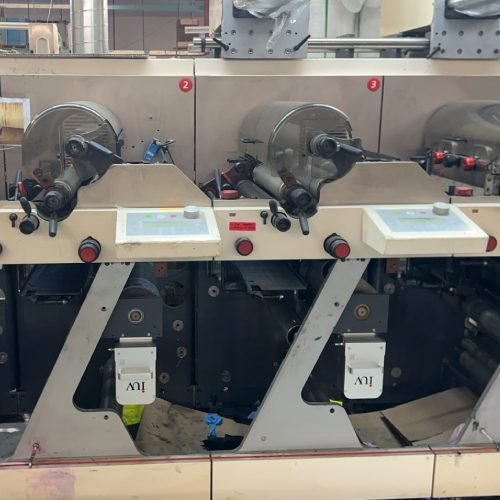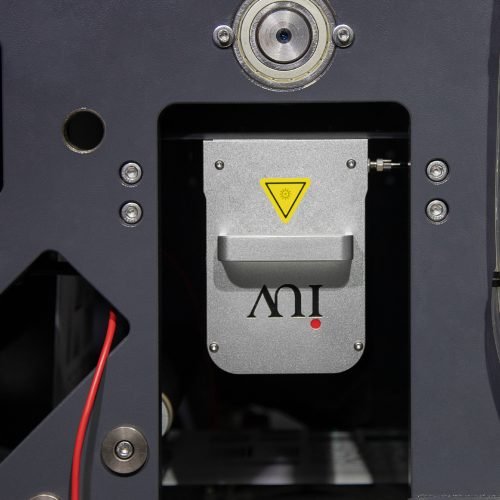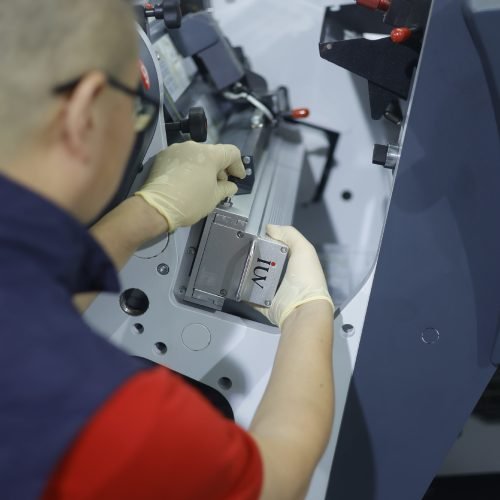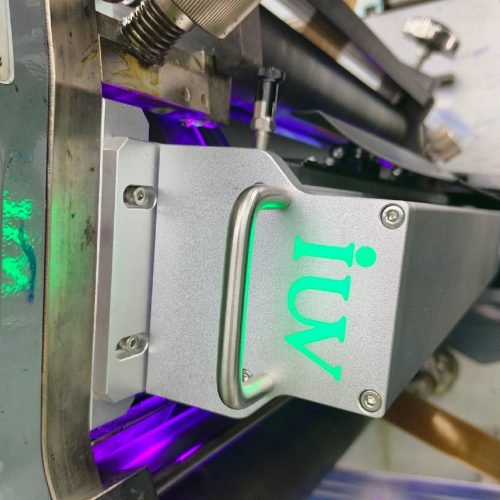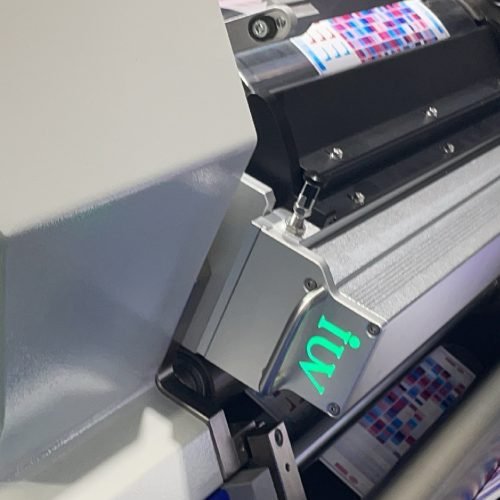
The integration of UV LED curing systems into offset printing has redefined efficiency and quality in commercial and packaging production. Unlike conventional mercury-based UV systems, UV LED technology operates at specific wavelengths (365-405 nm), enabling precise curing without excessive heat generation. This thermal stability is critical for substrates like thin films, pressure-sensitive labels, and heat-sensitive packaging materials that warp under traditional curing methods.
In sheetfed offset applications, UV LED systems achieve 100% cure rates at press speeds exceeding 15,000 sheets/hour – a 23% productivity increase compared to older UV technologies. The instant on/off capability eliminates warm-up delays, reducing energy waste during job changeovers. Printers using hybrid UV/water-based ink systems report 40% less ink consumption through improved transfer efficiency, particularly in high-density graphic applications.
Flexographic printing operations benefit from UV LED’s compatibility with photopolymer plates. The cooler curing environment prevents plate distortion during long runs, maintaining registration accuracy below ±0.1mm. Narrow web converters specializing in labels leverage UV LED’s ability to cure thick ink films (up to 8μm) in single passes, enabling tactile effects without secondary processes.
Three technical factors determine UV LED system performance in offset environments:
- Spectral Matching
UV-A wavelengths (395-410nm) optimally cure acrylate-based inks, while UV-V (365nm) targets epoxy formulations. Advanced systems incorporate adjustable emission peaks to accommodate diverse ink chemistries. - Irradiance Density
High-power LED arrays delivering