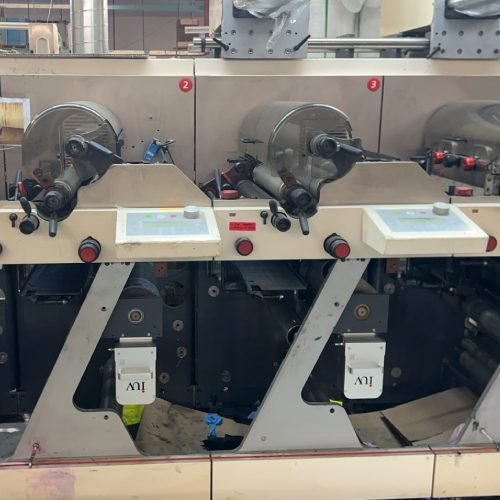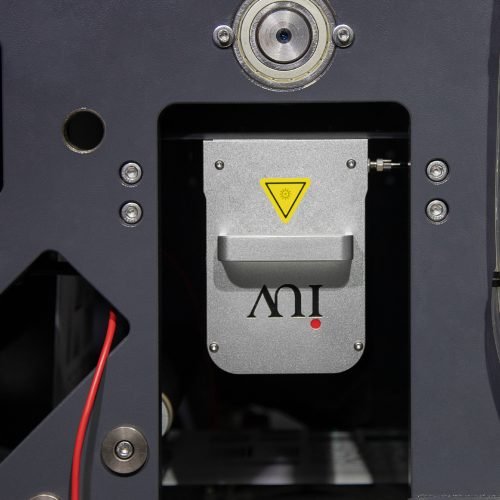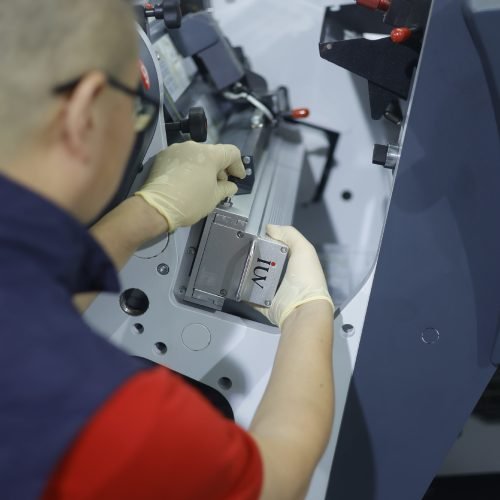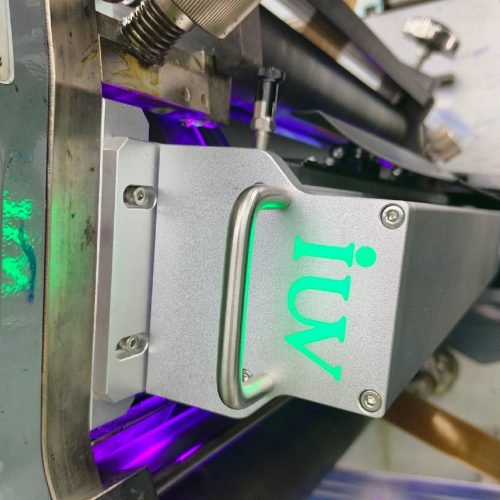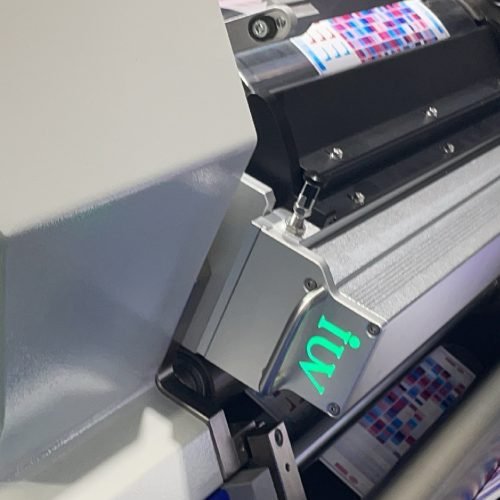
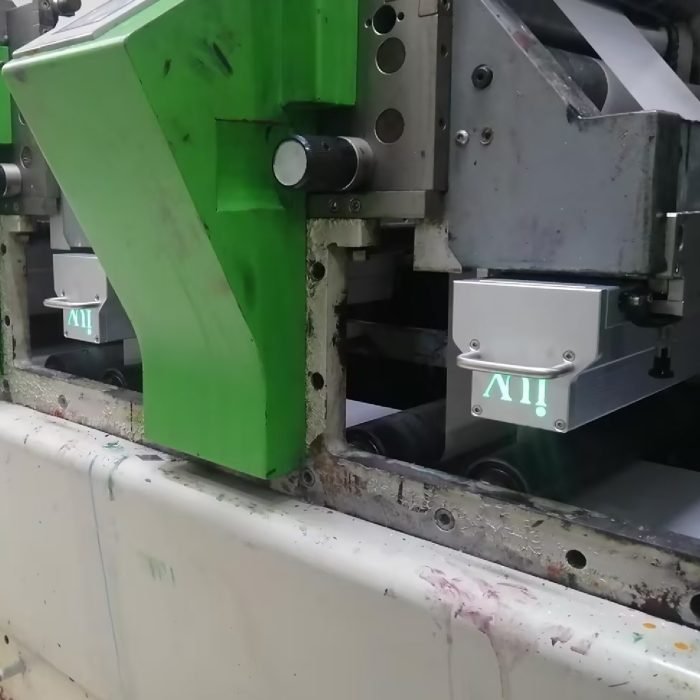
The shift towards LED UV curing systems in the printing industry, particularly for narrow web, flexographic, and offset applications, has brought significant advantages. These systems offer faster speeds, reduced energy consumption, and a smaller environmental footprint compared to traditional mercury vapor lamps. However, like any advanced technology, they can present unique challenges. Understanding and addressing common curing issues is key to maximizing the benefits of LED UV technology and ensuring high-quality print production.
Inconsistent Cure Depth and Surface Tack
One of the most frequently encountered problems is achieving a consistent cure depth across the entire printed area, leading to issues like surface tackiness. This can manifest as ink smudging during handling or subsequent processing steps. Several factors contribute to this.
Firstly, the irradiance uniformity of the LED array is paramount. Uneven light distribution across the print width will result in areas receiving insufficient UV energy for complete polymerization. This is often more noticeable in wider web applications where maintaining consistent intensity from edge to edge can be challenging. Manufacturers design their LED heads with precise optics and cooling systems to mitigate this, but proper maintenance and understanding the system’s specifications are crucial.
Secondly, distance from the substrate to the LED head plays a critical role. Unlike mercury lamps which often have a more forgiving focal range, LED UV systems have a narrower optimal working distance. If the substrate moves too far away, the effective irradiance drops significantly due to the inverse square law. This is particularly relevant in flexographic printing where the substrate can experience minor variations in tension or flutter.
Thirdly, the formulation of the UV ink or coating itself must be optimized for LED curing. Different wavelengths of UV light penetrate and cure inks and coatings to varying degrees. LED lamps emit narrow-band radiation, typically in the 365nm, 385nm, 395nm, or 405nm ranges. If an ink is designed for a broader spectrum, or if its photoinitiators are not sensitive to the specific wavelength emitted by the LED lamp, it will not cure effectively, leading to under-curing and surface tack.
To overcome this, printers should verify the irradiance uniformity of their LED system using a radiometer. Regularly check and maintain the correct distance between the print head and the substrate. Crucially, collaborate with ink and coating suppliers to ensure formulations are specifically designed for the LED wavelengths being used.
Ink/Coating Adhesion Problems
Poor adhesion is another significant issue that can compromise the durability and performance of printed materials. This often stems from incomplete polymerization, where the ink or coating hasn’t fully cross-linked with the substrate or subsequent layers.
One primary cause is insufficient UV dose. While irradiance is the intensity of light, the total UV dose is the irradiance multiplied by the exposure time (which is directly related to web speed). If the web speed is too high for the given irradiance, the ink or coating receives an inadequate amount of UV energy to achieve full cure. This is a common challenge when trying to push press speeds to meet production demands.
Another factor is substrate surface energy. For UV inks to adhere properly, the substrate must have adequate surface energy. If the surface energy is too low, the ink will bead up rather than forming a continuous film, and adhesion will be compromised. This is especially relevant when printing on difficult-to-bond materials like certain plastics or coated papers.
Contamination on the substrate surface can also inhibit adhesion. Oils, mold release agents, or residual processing aids can act as barriers, preventing the UV ink from making direct contact and bonding with the substrate.
Addressing adhesion issues requires a multi-pronged approach. Ensure the press speed is compatible with the UV system’s output and the ink’s cure speed. Pre-treatments like corona discharge can be employed to increase substrate surface energy where necessary. Maintaining a clean print environment and ensuring substrate cleanliness are also vital. Perform adhesion tests, such as cross-hatch tape tests, to objectively assess performance.
Pinholing and Blistering
Pinholing, the appearance of tiny holes in the ink film, and blistering, where bubbles form under or within the ink layer, can significantly detract from print quality and functionality. These defects are often linked to trapped air or volatile components.
During the printing process, especially at high speeds in flexo and offset, air can become entrained within the ink and subsequently trapped as the ink cures. If the cure is too fast, the outer layer of the ink can skin over before the trapped air or volatile solvents within the ink have a chance to escape, leading to pinholes or blisters as the gas expands during heating or further curing.
The viscosity and rheology of the UV ink are critical. Inks that are too thick or have poor flow properties can contribute to trapping air. Similarly, inks with a high level of volatile components can exacerbate blistering if not properly formulated for UV curing.
Inadequate ventilation around the curing station can also be a contributing factor. If volatile organic compounds (VOCs) or by-products of the curing reaction are not effectively removed, they can accumulate and lead to blistering or affect the final film properties.
To mitigate pinholing and blistering, ensure the ink viscosity is appropriate for the printing method and press speed. Optimize the UV dose and lamp output to allow for sufficient cure time without skinning over too quickly. Good ventilation around the UV curing units is essential to remove any off-gassing. Using inks specifically designed for LED UV curing with low-VOC content can also help.
Color Shift and Gloss Variation
Maintaining consistent color and gloss is a fundamental requirement in label and packaging printing. LED UV curing can sometimes lead to color shifts or uneven gloss levels.
Color shifts can occur due to thermal effects or incomplete curing. Some pigments can be sensitive to heat, and while LED lamps generally produce less heat than mercury lamps, localized heating can still occur. If the cure is uneven, certain pigments may not fully stabilize, leading to a perceived color change. Furthermore, if the UV light does not cure the ink to its full depth, the interaction of light with the pigment layer can change, altering the color appearance.
Gloss variation is often related to the surface quality of the cured ink film. If the surface is not uniformly smooth, light will reflect off it inconsistently, resulting in variations in gloss. This can be caused by incomplete curing, surface contamination, or issues with the ink’s flow properties during application and curing. Over-curing can sometimes lead to a duller finish as the surface becomes more cross-linked and potentially more brittle.
To maintain consistent color and gloss, ensure the UV ink or coating formulation is stable under the specific LED wavelength and intensity. Avoid over-exposure, which can degrade pigments or alter the resin structure. Proper drying and curing conditions are essential for a smooth, uniform surface. Regularly calibrate color management systems and use color-measuring tools to monitor consistency. For gloss, ensure the ink is properly formulated and cured to achieve the desired surface characteristics.
Choosing the Right LED UV System and Consumables
The success of LED UV curing hinges on selecting the appropriate system and consumables. When evaluating LED UV systems, consider the following:
- Wavelength Output: Ensure the LED’s wavelength matches the photoinitiators in your inks and coatings. Common options include 365nm, 385nm, 395nm, and 405nm.
- Irradiance and Dose: Verify the system can deliver the required irradiance for your press speeds and ink cure requirements. Radiometers are essential for measurement.
- Uniformity: Look for systems with excellent irradiance uniformity across the curing width.
- Cooling System: Effective cooling is vital for LED longevity and consistent performance.
When it comes to inks and coatings, always opt for products specifically formulated for LED UV curing. Discuss your printing application, substrate, and press speeds with your ink supplier.
Conclusion
LED UV curing technology offers substantial benefits for modern printing operations. By understanding the common issues related to cure depth, adhesion, pinholing, blistering, color, and gloss, and by implementing proactive troubleshooting strategies, printers can harness the full potential of these advanced systems. Diligent maintenance, proper system selection, and close collaboration with consumable suppliers are the cornerstones of achieving consistent, high-quality results.