Enhancing Production Efficiency in Printing with Advanced UV Curing
Modern printing operations demand precision, speed, and reliability. Unplanned downtime disrupts workflows, inflates costs, and jeopardizes deadlines. Advanced UV curing systems, particularly those leveraging LED technology, are transforming how label, flexographic, offset, and narrow-web printers maintain continuous productivity. By addressing traditional curing challenges, these systems minimize interruptions while elevating print quality.
The Role of UV Curing in Label Printing
Label printers face unique challenges: intricate designs, sensitive substrates, and tight turnaround times. Conventional drying methods often struggle with heat-sensitive materials like thin films or pressure-sensitive labels. Advanced UV curing systems eliminate these issues by instantly polymerizing inks and coatings without excessive heat.
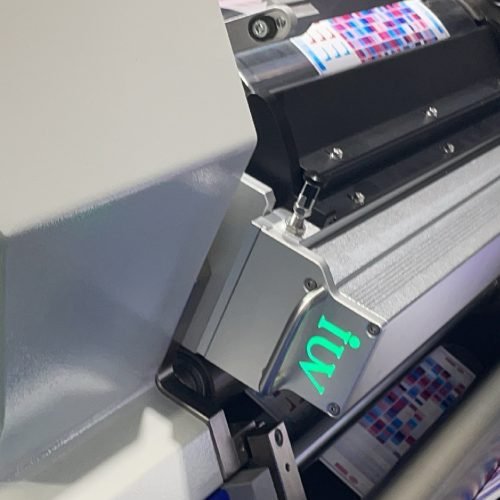
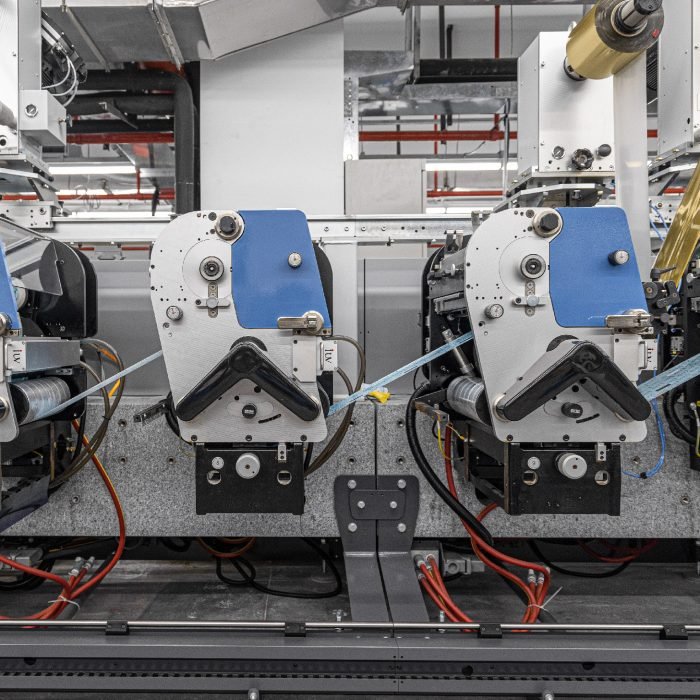
LED UV systems excel in label production due to their ability to cure inks at lower temperatures. This prevents substrate warping or shrinkage, reducing waste from misprints. Additionally, instant curing allows for immediate handling, slashing post-production delays. For printers using hybrid setups, integrating LED UV units with existing flexo or digital presses streamlines workflows, enabling faster job transitions and shorter setup times.
Flexographic Printing: Speed Meets Consistency
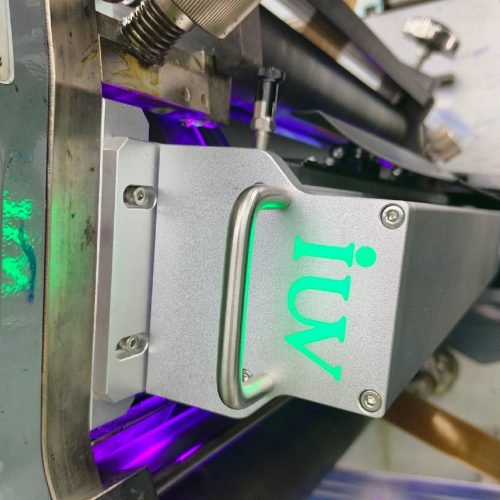
Flexo printers prioritize high-speed runs for packaging, labels, and corrugated materials. Traditional mercury-vapor UV lamps often cause bottlenecks due to warm-up periods and inconsistent output over time. LED UV curing eradicates these inefficiencies by delivering instant on/off functionality and stable energy output.
With no warm-up required, flexo presses equipped with LED UV systems start production immediately after job setup. The consistent spectral output ensures uniform curing across long print runs, preventing adhesion failures or curing defects that force unplanned stoppages. Moreover, LED systems consume less energy and generate minimal heat, reducing wear on printing plates and extending their lifespan.
Offset Printing: Precision Without Compromise
Offset printers rely on meticulous ink-water balance and precise drying times. Traditional UV curing in offset applications often introduces heat-related complications, such as paper distortion or ink set-off. Advanced UV systems mitigate these risks by operating at cooler temperatures, preserving substrate integrity.
LED UV technology also enhances color fidelity in offset printing. By eliminating ozone emissions and heat-induced ink migration, printers achieve sharper dot reproduction and richer color density. This reduces the need for reprints due to color shifts, directly cutting downtime linked to quality adjustments. For short-run offset jobs, faster curing enables quicker turnover between tasks, maximizing press utilization.
Narrow-Web Printing: Agility in Specialty Applications
Narrow-web printers catering to niche markets—such as security tags, medical labels, or electronics—require adaptable curing solutions. Mercury-based systems often lack the flexibility to handle diverse substrates or specialty inks. LED UV curing’s adjustable intensity and wavelength compatibility make it ideal for these applications.
For instance, printers using conductive inks or temperature-sensitive adhesives benefit from LED UV’s controlled curing process. The absence of infrared radiation prevents material degradation, ensuring consistent performance even with delicate components. This adaptability minimizes trial runs and substrate testing, accelerating time-to-market for custom projects.
Key Advantages of LED UV Over Conventional Systems
- Energy Efficiency: LED UV systems consume up to 70% less energy than mercury lamps, lowering operational costs and environmental impact.
- Longevity: LEDs last up to 20,000 hours, compared to 1,000–2,000 hours for traditional bulbs, reducing replacement frequency and maintenance halts.
- Eco-Friendly Operation: No ozone generation or hazardous mercury disposal aligns with sustainability goals and regulatory compliance.
- Enhanced Safety: Reduced heat emission creates a safer workspace, minimizing risks of burns or fire hazards.
Minimizing Downtime Through Proactive Maintenance
Even robust systems require strategic upkeep. Implement these practices to optimize UV curing performance:
- Regular Lamp Inspections: Check LED arrays for debris or uneven output. Clean lenses and reflectors to maintain curing efficiency.
- Cooling System Maintenance: Ensure proper ventilation to prevent overheating, which can degrade component lifespan.
- Real-Time Monitoring: Use integrated sensors to track UV intensity and trigger alerts for deviations.
Future-Proofing with Modular Upgrades
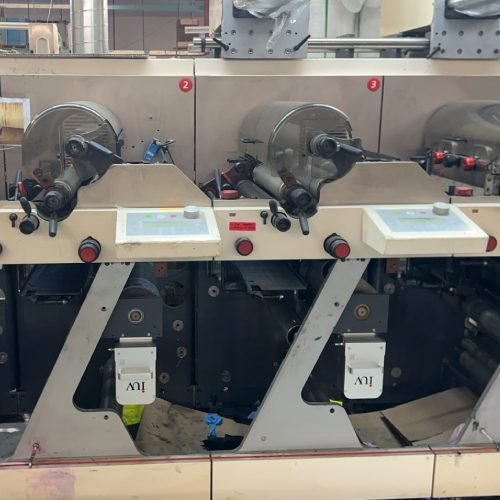
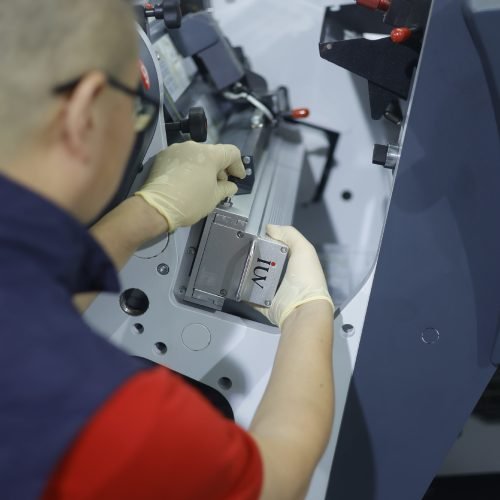
Retrofitting older presses with modular LED UV units offers a cost-effective path to modernization. Many systems integrate seamlessly with existing workflows, allowing gradual adoption without full press overhauls. Upgraded units often include smart controls for automated intensity adjustments, further reducing manual intervention during jobs.
Final Thoughts
Advanced UV curing systems are no longer a luxury—they’re a strategic necessity for competitive printers. By eliminating traditional curing bottlenecks, these technologies empower label, flexo, offset, and narrow-web printers to achieve unprecedented uptime and consistency. As the industry shifts toward shorter runs and eco-conscious practices, adopting LED UV solutions positions businesses to meet evolving demands while maintaining profitability.