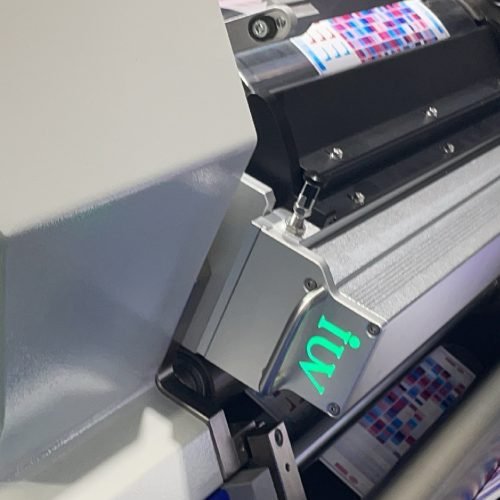
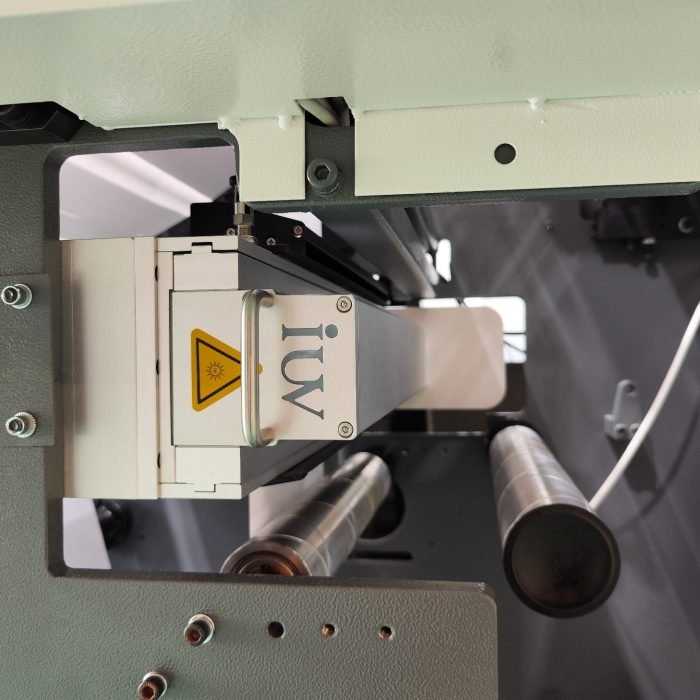
The landscape of narrow web printing is constantly evolving. Labels and flexible packaging demand vibrant colors, robust durability, and efficient production. Printers are continually seeking ways to optimize their operations. Two key areas for improvement are reducing material waste and minimizing costly press start-up times. For years, conventional UV curing systems have been the standard. However, the advent of LED UV curing technology presents a significant opportunity to achieve these goals more effectively, especially on narrow web presses.
The Challenge of Traditional UV Curing
Traditional UV curing methods rely on mercury vapor lamps. These lamps generate heat, which can be a significant issue in a narrow web environment. This heat can cause substrate distortion, leading to print quality problems and increased waste during make-ready. Furthermore, mercury lamps have a finite lifespan and require regular replacement. Their energy consumption is also considerably higher compared to newer technologies. The warm-up time needed for these lamps to reach optimal curing temperature adds valuable minutes to every job changeover, directly impacting overall press productivity.
Introducing LED UV Curing: A Paradigm Shift
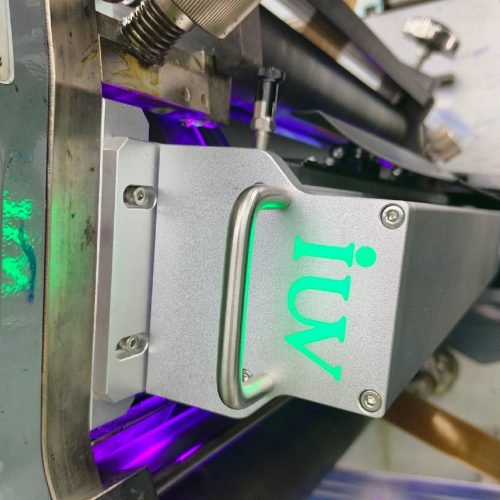
Light Emitting Diode (LED) UV curing technology represents a fundamental change in how inks and coatings are dried and cured. Instead of a broad spectrum of UV light and heat, LEDs emit a highly focused, specific wavelength of UV light. This precise emission is tailored to the photoinitiators within UV-curable inks and coatings, enabling rapid and efficient curing. This targeted approach brings a host of advantages, particularly for the demanding world of narrow web printing.
Significant Reduction in Waste
One of the most compelling benefits of LED UV curing is its impact on waste reduction. With traditional UV, excessive heat can cause substrates to expand and contract, leading to registration issues. This is especially critical in multi-color label printing where precise color-to-color accuracy is paramount. When registration is off due to thermal expansion, the entire printed roll may need to be discarded. LED systems, by contrast, generate very little heat. This stable thermal environment means substrates remain dimensionally consistent throughout the printing process. This stability significantly improves registration accuracy, leading to fewer spoiled labels and a reduction in overall material waste during both production runs and, crucially, during the initial setup phases.
Drastic Cuts in Start-Up Time
The warm-up time associated with conventional mercury lamps is a direct contributor to prolonged press start-up sequences. Printers would often have to wait for the lamps to reach their operating temperature before they could begin the critical make-ready process. This waiting period, multiplied across multiple job changes throughout a shift, adds up to substantial lost production time. LED UV systems, however, offer near-instantaneous on/off capability. They reach their full curing power immediately upon activation. This means that as soon as the press is ready for its first impression, the LED lamps are also ready to cure it. This eliminates the warm-up delay entirely, allowing for faster setup and a quicker transition between jobs. Printers can initiate their make-ready and achieve sellable quality impressions much sooner, directly boosting throughput.
Enhanced Print Quality and Substrate Versatility
The low heat output of LED UV curing opens up new possibilities for printing on a wider range of substrates. Delicate or heat-sensitive materials, such as certain films, foils, or even thin papers, can now be reliably printed without fear of distortion or damage. This expanded substrate capability allows label converters to offer a more diverse product range and cater to niche market demands that may have been previously inaccessible due to the thermal limitations of conventional UV. Furthermore, the precise control over the UV output can lead to sharper dot definition and more vibrant color reproduction, enhancing the overall aesthetic appeal of the final printed product.
Energy Efficiency and Environmental Benefits
Beyond waste and time savings, LED UV curing systems are remarkably energy-efficient. They consume significantly less power than mercury vapor lamps, leading to lower electricity bills. This is a welcome benefit for any printing operation looking to control operational costs. The extended lifespan of LED lamps also means fewer replacements are needed, reducing both material consumption and disposal burdens. From an environmental perspective, the reduced energy usage and fewer consumable parts contribute to a more sustainable printing process. This aligns with growing market demand for eco-friendly production methods.
Seamless Integration into Narrow Web Presses
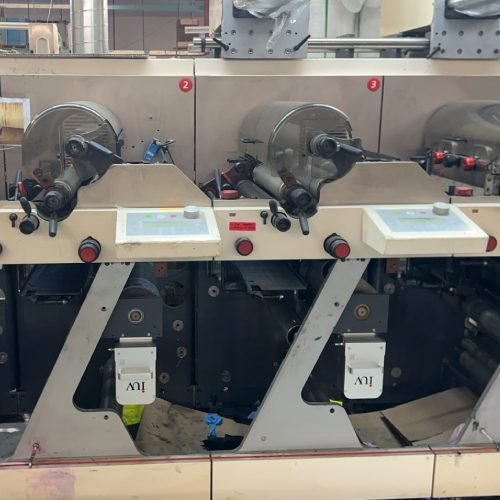
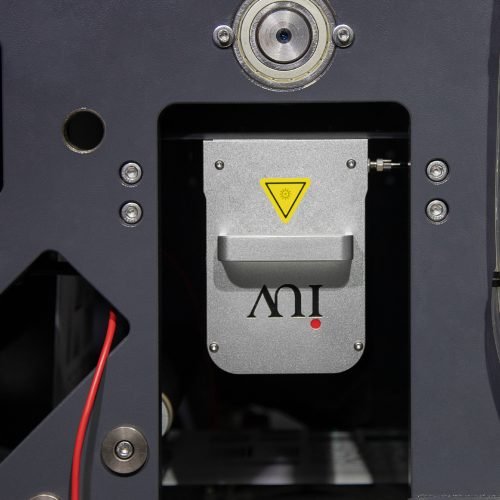
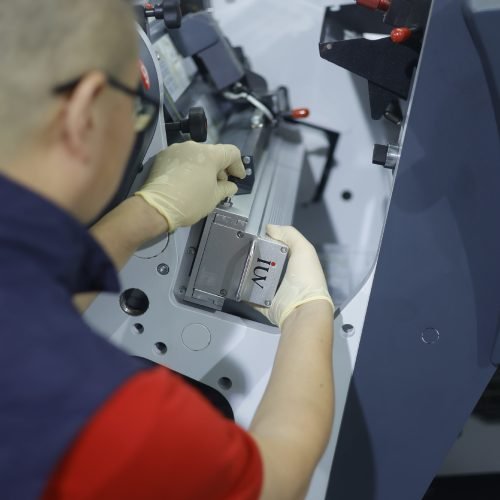
Modern narrow web presses are increasingly being designed with LED UV curing in mind. Retrofitting existing presses is also a viable option. The modular nature of LED UV curing units allows them to be integrated into various press configurations, whether between print stations for inline curing or at the end of the press for final curing. The smaller physical footprint of many LED systems can also be advantageous in the often-cramped space of a narrow web machine. Careful consideration of the press speed, web width, and the specific inks and coatings being used is important to ensure optimal UV energy delivery.
Considerations for Implementation
When considering the transition to LED UV curing for narrow web printing, several factors warrant attention. The specific wavelength of the LED lamps must be matched to the photoinitiators in the chosen UV inks and coatings. Manufacturers offer a range of wavelengths, commonly in the UV-A spectrum (e.g., 365nm, 385nm, 395nm, 405nm). Understanding the spectral output of the lamps and the absorption characteristics of the inks is crucial for achieving full cure.
Additionally, the required UV irradiance (energy intensity) and exposure dose (energy per unit area) will depend on the ink formulation, printing speed, and desired cure characteristics. While LED systems are efficient, ensuring adequate energy is delivered to the substrate is paramount for robust curing. This often involves selecting the appropriate number of LED lamps and ensuring proper cooling to maintain optimal performance.
The Future is LED UV for Narrow Web
The benefits of LED UV curing for narrow web printing are undeniable. The significant reductions in waste and start-up time translate directly into improved profitability and operational efficiency. Enhanced substrate versatility, superior print quality, and environmental advantages further solidify its position as the technology of choice for modern label and packaging converters. As the printing industry continues its drive towards greater sustainability and productivity, LED UV curing is set to play an increasingly vital role in shaping the future of narrow web production. Embracing this technology is not just an upgrade; it’s a strategic move towards a more competitive and efficient printing operation.