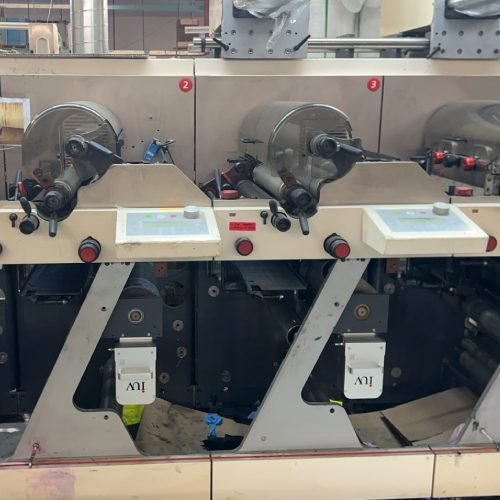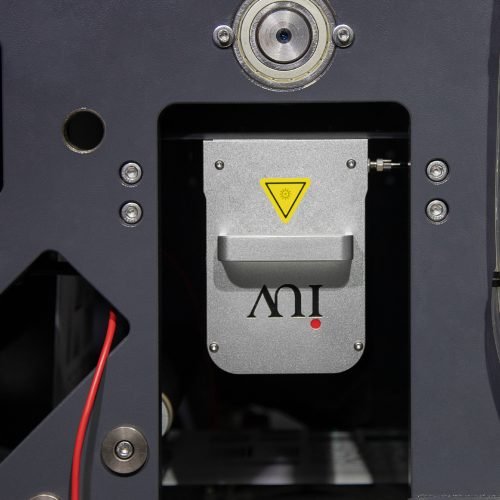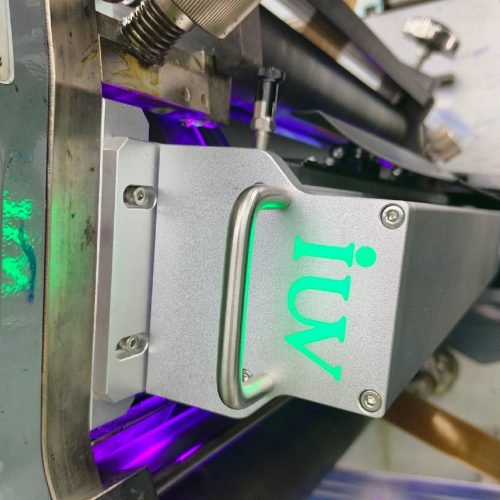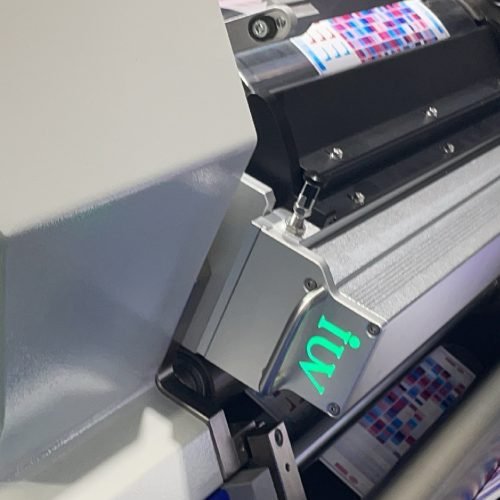
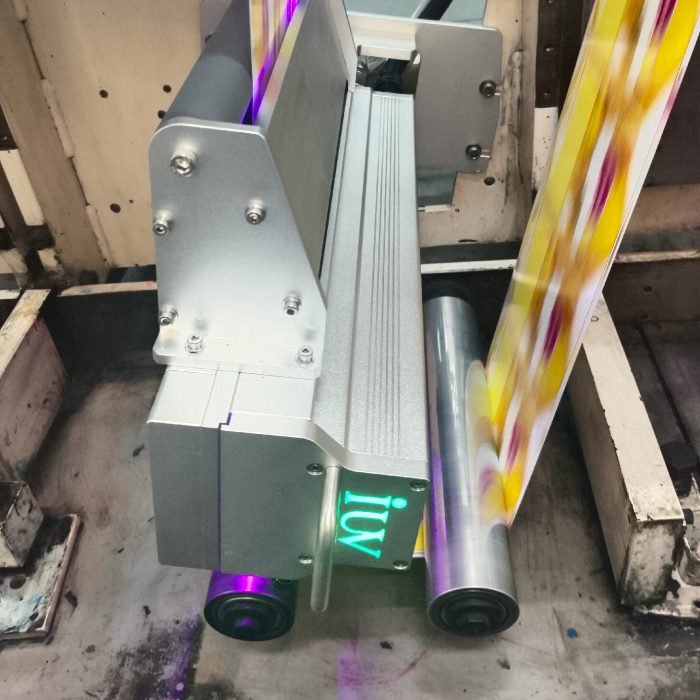
Upgrading your existing UV printing presses to LED UV curing systems is a smart move. This technology offers a wealth of benefits, from significant energy savings to improved print quality and reduced environmental impact. Let’s explore how this retrofit can transform your narrow web label, flexographic, and offset printing operations.
The Case for LED UV Curing in Print
Traditional UV curing systems, often mercury-based, have been the standard for many years. However, they come with drawbacks. These lamps generate a lot of heat, require substantial energy, and have a limited lifespan. They also contain mercury, posing disposal challenges. LED UV curing, on the other hand, utilizes light-emitting diodes to produce UV light. This technology is more targeted, efficient, and environmentally friendly. The shift to LED UV is not just an upgrade; it’s a technological evolution that addresses many of the limitations of older systems.
Energy Efficiency and Cost Savings
One of the most compelling reasons to retrofit is the dramatic reduction in energy consumption. LED UV systems use significantly less power than traditional mercury lamps. This translates directly into lower electricity bills for your printing facility. Furthermore, LED lamps have a much longer operational lifespan. While mercury lamps need frequent replacement, LED systems can last tens of thousands of hours. This reduces maintenance costs and minimizes downtime associated with lamp changes. The initial investment in retrofitting is quickly offset by these ongoing savings, making it a financially sound decision for businesses of all sizes.
Enhanced Print Quality and Performance
LED UV curing offers superior control over the curing process. The light emitted by LEDs is consistent and can be precisely controlled in terms of wavelength and intensity. This leads to more uniform and reliable curing of inks and coatings. For narrow web label printing, this means sharper images, brighter colors, and better registration. In flexographic printing, the consistent curing helps achieve cleaner dot reproduction and smoother gradients. For offset printing, the ability to cure at lower temperatures reduces the risk of substrate distortion, leading to more accurate results. The faster and more complete curing also allows for higher printing speeds, boosting overall productivity without compromising quality.
Substrate Versatility and New Opportunities
A significant advantage of LED UV curing is its ability to cure on a wider range of substrates. Because LED lamps produce less heat than mercury lamps, they are ideal for heat-sensitive materials such as thin films, plastics, and certain papers. This opens up new possibilities for your printing business, allowing you to take on a broader array of jobs and serve diverse markets. For label printers, this means being able to produce high-quality labels on materials previously deemed unsuitable for UV curing. Flexographic and offset printers can also benefit from this versatility, expanding their service offerings.
Environmental Benefits and Workplace Safety
The environmental advantages of LED UV curing are substantial. Firstly, the reduced energy consumption lowers your carbon footprint. Secondly, LED systems do not contain mercury, eliminating hazardous waste disposal issues associated with traditional lamps. This aligns your business with growing demands for sustainable printing practices. From a workplace perspective, LED UV systems emit less heat, creating a more comfortable working environment. They also produce no ozone, which is a byproduct of mercury lamp operation and requires exhaust ventilation. This improves air quality and safety for your employees.
The Retrofitting Process: What to Expect
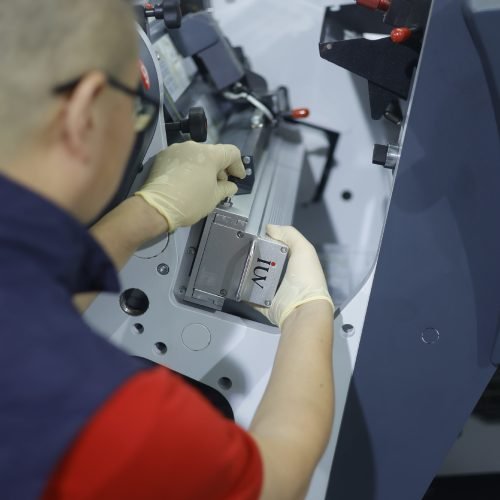
Retrofitting an existing press with an LED UV curing system typically involves replacing the old UV lamps and their associated power supplies with new LED units. The process is generally straightforward, especially for narrow web presses. Installation requires careful consideration of the specific press model, its existing power infrastructure, and the placement of the LED units to ensure optimal curing across the web. Many manufacturers offer specialized retrofit kits designed for popular press models. Working with experienced technicians is recommended to ensure a smooth and efficient installation.
Key Considerations for Narrow Web Label Printing
In the narrow web label sector, speed and versatility are paramount. Retrofitting to LED UV allows printers to achieve faster curing speeds, enabling higher production output. The precise control over curing also enhances the quality of fine details and color vibrancy, crucial for brand packaging and product identification. The ability to print on a wider range of label stocks, including sensitive plastics and foils, is a significant competitive advantage. The reduced heat output also minimizes the risk of die-cutting issues with thin materials.
Flexographic Printing Applications
For flexographic printers, LED UV offers consistent curing that benefits fine screen printing and solid ink coverage. The immediate and complete cure reduces ink set-off, eliminating the need for inter-deck drying in many applications. This can simplify the press configuration and increase available printing units for special effects or coatings. The energy savings are substantial, and the long lifespan of LED lamps reduces ongoing maintenance burdens. For packaging and commercial flexo printing, the enhanced print quality and substrate flexibility are key benefits.
Offset Printing Enhancements
In offset printing, retrofitting to LED UV can significantly improve productivity and quality. The ability to cure instantly allows for faster turnarounds and immediate finishing operations, such as stacking or die-cutting. The lower heat output is particularly beneficial when printing on lighter weight papers or heat-sensitive boards, preventing warping or delamination. The consistent UV output ensures predictable ink curing, leading to repeatable high-quality results across long print runs. This makes LED UV an attractive upgrade for commercial offset printers looking to enhance their capabilities.
Choosing the Right LED UV System
When selecting an LED UV curing system for your retrofit, several factors should be considered. The wavelength of the UV light is critical and must be compatible with the inks and coatings you intend to use. Common wavelengths include 365 nm, 385 nm, 395 nm, and 405 nm. The power output and the number of LED units required will depend on your press width, printing speed, and the specific curing demands of your applications. Consider the cooling method of the LED system, as this impacts its longevity and performance. Look for systems with good warranty support and a reputable manufacturer.
Integration and Maintenance
Successful integration of an LED UV system involves ensuring proper electrical connections and mounting within the press. The new units should be positioned to provide uniform exposure across the entire print width. Maintenance for LED UV systems is generally minimal. Regular cleaning of the LED surfaces and occasional checks of the power supply and connections are usually sufficient. Unlike mercury lamps, there are no bulbs to replace, significantly simplifying maintenance routines and reducing associated costs and downtime.
The Future of UV Curing
The trend towards LED UV curing is undeniable. As the technology continues to advance, it offers increasingly sophisticated solutions for printers. The benefits in terms of efficiency, quality, sustainability, and versatility are compelling. Retrofitting your existing presses is a practical and cost-effective way to leverage these advancements and stay competitive in the evolving print industry. Embracing LED UV technology positions your business for future growth and innovation.