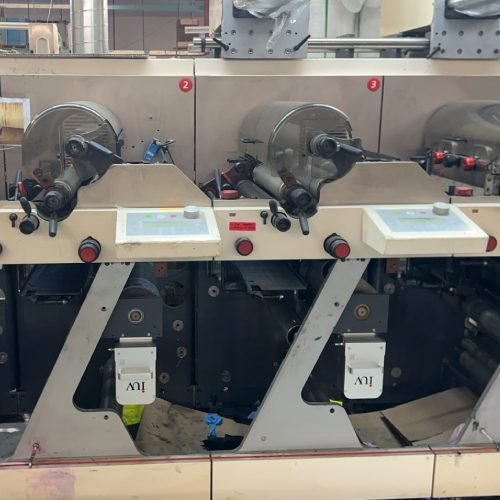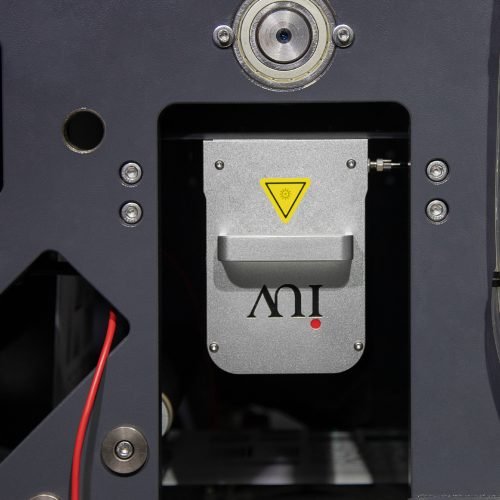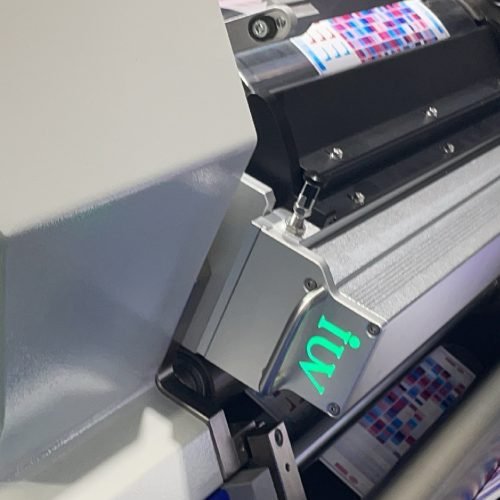
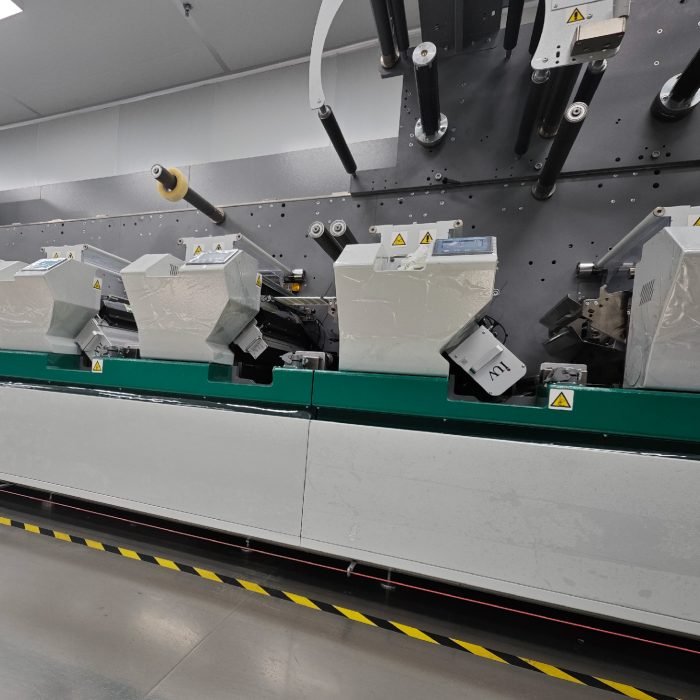
Traditional printing methods often rely on heat-set or conventional UV curing systems. Heat-set drying requires significant energy and space for cooling tunnels, while older UV systems can be inefficient, generate substantial heat, and utilize lamps with shorter lifespans. LED UV curing technology fundamentally changes this dynamic.
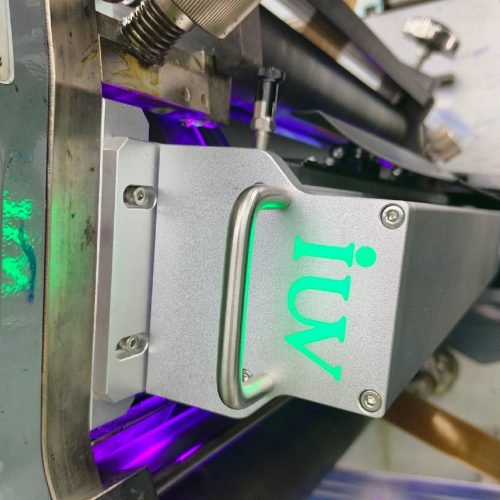
LEDs emit a narrow spectrum of UV light, precisely tuned to initiate the polymerization of UV-curable inks, coatings, and adhesives. This targeted approach results in faster, more efficient curing. The benefits extend beyond speed, impacting the overall printing process and the final product.
Key Benefits of Retrofitting
1. Enhanced Curing Speed and Throughput:
LED UV systems cure inks and coatings almost instantaneously. This means presses can run at their maximum mechanical speeds without the bottleneck of drying. For label printers, where quick turnaround times are crucial, this translates directly to increased production capacity. Similarly, flexographic and offset printers can achieve higher output volumes, meeting tighter deadlines and fulfilling more orders.
2. Energy Efficiency and Reduced Heat:
Compared to conventional mercury vapor lamps, LED UV systems consume significantly less energy. They only draw power when the lamp is active, and their efficiency means less wasted energy as heat. This is a critical advantage for legacy presses that may have limitations on their electrical supply or cooling capacity. Reduced heat output also benefits the substrate, preventing warping or shrinkage, especially with sensitive materials common in narrow web label printing.
3. Improved Print Quality and Durability:
The rapid and efficient curing process of LED UV leads to exceptionally hard, scratch-resistant, and chemical-resistant finishes. This is invaluable for label applications that require durability, such as product labels exposed to harsh environments or industrial use. For packaging and commercial printing, enhanced scratch resistance ensures the finished product maintains its aesthetic appeal throughout its lifecycle. The consistent light output of LEDs also contributes to more uniform curing across the printed area.
4. Environmental Advantages and Reduced VOCs:
LED UV curing utilizes inks and coatings that are 100% solids, meaning they contain no volatile organic compounds (VOCs). This eliminates the need for solvents and drastically reduces or eliminates harmful emissions, contributing to a healthier working environment and a smaller environmental footprint. This aligns with growing consumer and regulatory demand for sustainable printing practices.
5. Substrate Versatility:
The low heat output of LED UV curing systems allows for printing on a wider range of substrates, including heat-sensitive materials like thin films, certain plastics, and delicate papers. This expands the application range for older presses, enabling them to handle diverse customer needs without requiring new equipment investment. Narrow web presses, often used for specialized labels, can particularly benefit from this capability.
6. Extended Lamp Lifespan and Reduced Maintenance:
LED UV lamps have a considerably longer operational lifespan than traditional mercury vapor lamps, often lasting tens of thousands of hours. They also reach full intensity immediately upon activation, unlike mercury lamps that require warm-up time. This reduces downtime for lamp replacement and maintenance, contributing to more consistent production schedules.
Challenges and Considerations in Retrofitting
While the benefits are substantial, retrofitting legacy presses with LED UV systems involves careful planning and execution.
1. Integration Complexity:
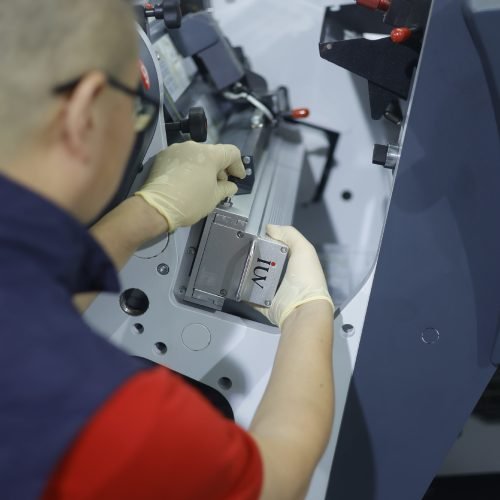
Integrating LED UV curing units into existing press lines requires skilled technicians. The physical space available on older presses can be a limiting factor, and power supply upgrades may be necessary to accommodate the new systems. Compatibility with existing control systems and interlocks needs thorough assessment.
2. Initial Investment Cost:
The upfront cost of LED UV curing equipment can be significant. However, this should be viewed as an investment with a clear return through increased efficiency, reduced operational costs, and expanded capabilities. A thorough cost-benefit analysis is essential for justifying the expenditure.
3. Ink and Coating Compatibility:
Not all existing inks and coatings will be suitable for LED UV curing. Transitioning to UV-curable formulations is often necessary. This requires working with ink manufacturers to select or develop appropriate products that cure effectively under the specific wavelength of the LED system. This is particularly important for specialized applications in flexographic and offset printing.
4. Wavelength Specificity:
LED UV systems operate at specific wavelengths (e.g., 365nm, 385nm, 395nm, 405nm). It is crucial to select inks and coatings that are formulated to cure efficiently at the chosen wavelength. Mismatched wavelengths can lead to incomplete curing, affecting print quality and durability. This necessitates close collaboration with ink suppliers.
5. Cooling Requirements:
While LED UV systems generate less heat than traditional UV, they still require adequate cooling. Some systems are air-cooled, while others require water cooling. The retrofitting plan must account for the necessary cooling infrastructure to ensure optimal performance and longevity of the LED modules.
6. Operator Training:
Introducing new technology requires training for press operators. They need to understand the specific operating parameters, maintenance requirements, and safety protocols associated with LED UV curing systems. Proper training ensures the efficient and safe utilization of the new technology.
Applications in Specific Printing Sectors
Narrow Web Label Printing:
For label converters, retrofitting narrow web flexographic presses with LED UV is a natural progression. The ability to cure instantly allows for faster speeds, the use of heat-sensitive label stocks, and the application of high-performance varnishes and adhesives. This opens doors to markets demanding durable, high-quality labels for food, beverage, pharmaceutical, and industrial products.
Flexographic Printing:
In wider flexographic applications, LED UV retrofits can improve productivity and enable the printing of high-value packaging. The enhanced scratch and chemical resistance is a significant advantage for flexible packaging and folding cartons. Reduced energy consumption also contributes to a more sustainable print operation, a growing requirement in the packaging industry.
Offset Printing (Sheetfed and Web):
While less common than in flexo, retrofitting offset presses can offer unique advantages. Sheetfed offset presses can benefit from faster drying times, allowing for immediate finishing operations like cutting and folding. For web offset printers, especially those in niche markets, LED UV can provide improved durability and enable printing on a broader spectrum of paper grades and films, enhancing product differentiation.
Conclusion
Retrofitting legacy printing presses with LED UV curing systems represents a strategic investment for print businesses. By overcoming the integration challenges, companies can unlock significant improvements in speed, efficiency, product quality, and environmental sustainability. This modernization allows older, reliable machinery to remain competitive in today’s demanding print market, ensuring continued profitability and the ability to meet evolving customer needs. The transition to LED UV is not just an upgrade; it’s a transformation that positions businesses for future growth and success.