Understanding LED Curing Systems in Modern Printing
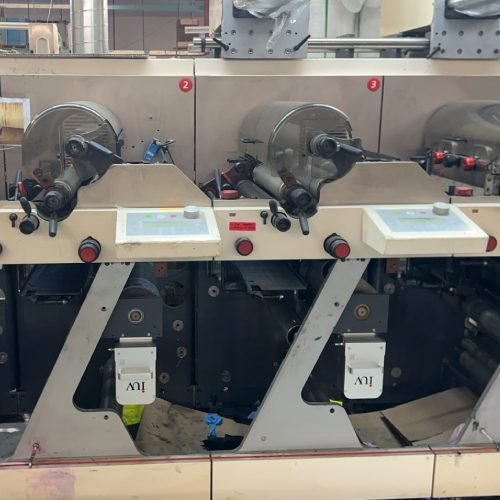
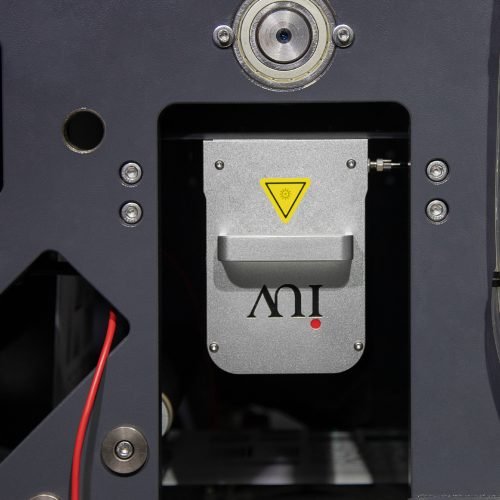
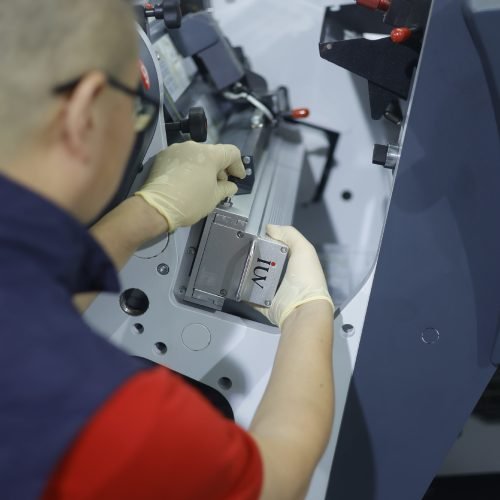
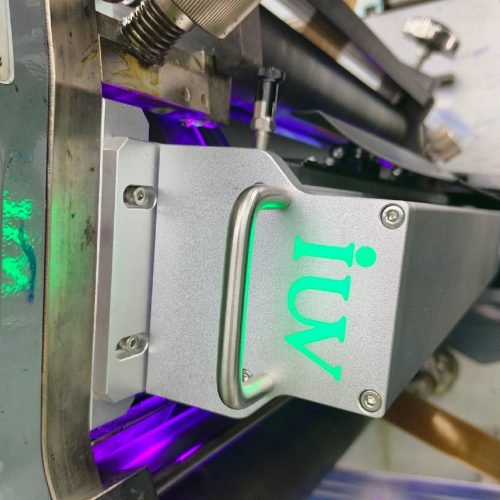
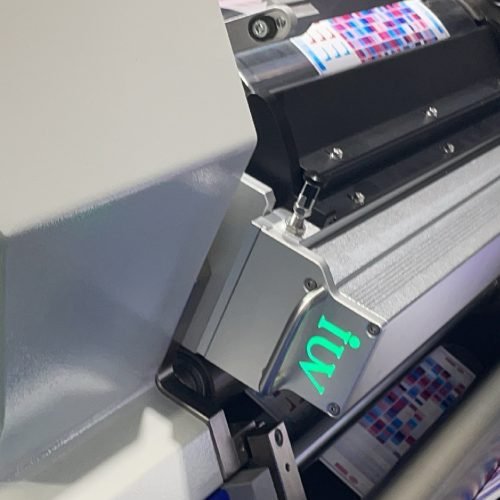
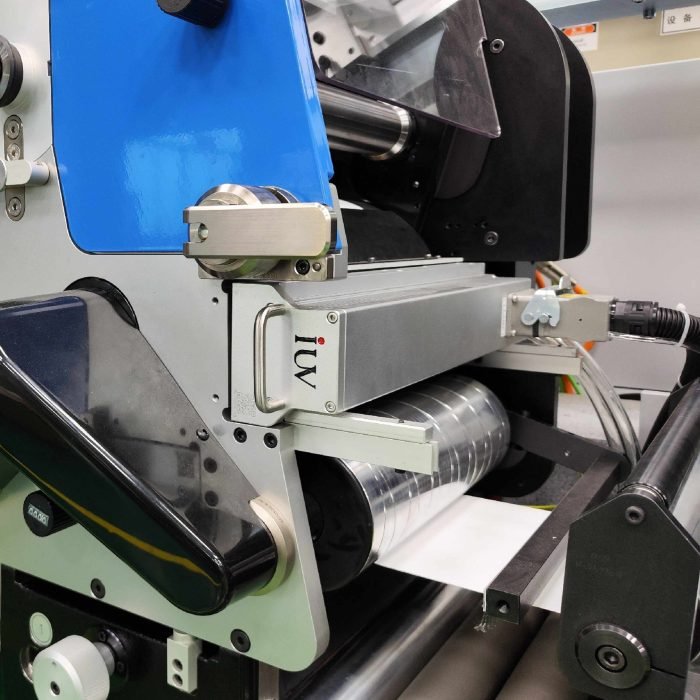
Commercial printers face constant pressure to balance quality, speed, and operational costs. LED UV curing systems have emerged as a transformative technology, particularly for applications like label, flexographic, offset, and narrow-web printing. Unlike traditional mercury-arc lamps, LED systems offer instant on/off capabilities, reduced energy consumption, and longer service life. For businesses evaluating ROI, the shift to LED curing isn’t just about adopting new technology—it’s about redefining profitability.
Energy Efficiency in Label Printing Operations
Label printing demands precision and rapid turnaround. Traditional UV curing methods often involve excessive heat generation, requiring cooling systems that inflate energy costs. LED UV curing operates at lower temperatures, eliminating the need for auxiliary cooling. This reduces energy consumption by up to 70%, directly lowering utility bills. Additionally, LED systems achieve full curing intensity instantly, minimizing downtime between jobs. For high-volume label producers, this efficiency translates to faster production cycles and reduced overhead.
Flexographic Printing: Sustainability Meets Performance
Flexo printers prioritize eco-friendly practices due to tightening regulations on volatile organic compounds (VOCs). LED curing supports water-based and low-migration inks, which emit fewer VOCs compared to solvent-based alternatives. By eliminating ozone-producing mercury lamps, LED systems align with sustainability goals while maintaining print quality. The extended lifespan of LED lamps—often exceeding 20,000 hours—reduces waste from frequent bulb replacements. For flexo printers, this combination of environmental compliance and operational reliability strengthens long-term ROI.
Offset Printing: Minimizing Downtime, Maximizing Output
Offset printers rely on consistent curing to prevent issues like ink offsetting or drying delays. Conventional UV systems require warm-up periods, creating bottlenecks in high-speed environments. LED curing eliminates this lag, enabling immediate start-ups and shutdowns. The absence of infrared radiation also reduces substrate warping, critical for delicate materials like specialty papers or films. With faster job turnover and fewer material rejects, offset printers using LED technology see measurable improvements in throughput and waste reduction.
Narrow-Web Printing: Versatility for Complex Jobs
Narrow-web applications often involve multi-substrate printing, from synthetic films to metallic foils. LED curing’s compatibility with heat-sensitive materials expands design possibilities without compromising speed. The directional nature of LED light ensures even curing across intricate designs or raised textures, reducing the risk of incomplete drying. For printers handling short runs or variable data, the ability to toggle curing intensity on-the-fly enhances flexibility. This adaptability positions LED systems as a cost-effective solution for niche markets requiring rapid job changes.
Calculating ROI: Key Factors for Commercial Printers
- Energy Savings: LED systems consume less power and require no warm-up, cutting electricity costs by 50–70%.
- Maintenance Costs: Mercury lamps demand regular replacement (every 1,000–2,000 hours), while LED units last 10–20 times longer.
- Production Efficiency: Faster curing speeds and instant operation boost daily output, increasing revenue potential.
- Material Compatibility: Reduced heat exposure allows use of thinner, cheaper substrates without sacrificing quality.
- Regulatory Compliance: Avoid costs associated with hazardous waste disposal from mercury lamps or VOC emissions.
Case Study: A Shift to LED in Mid-Sized Label Production
A North American label printer transitioning to LED curing reported a 40% drop in energy costs within six months. Downtime between shifts decreased by 25% due to instant lamp readiness, while substrate waste fell by 18% from improved curing consistency. The initial investment was recouped in under two years through cumulative savings and increased client retention tied to faster delivery times.
Future-Proofing with LED UV Technology
As commercial printers navigate rising energy prices and environmental mandates, LED curing systems provide a scalable path to profitability. The technology’s compatibility with emerging ink formulations and automated workflows ensures relevance amid industry advancements. For businesses hesitant about upfront costs, phased implementation—starting with high-volume or heat-sensitive applications—offers a low-risk entry. By prioritizing energy efficiency, material savings, and operational agility, LED UV curing isn’t just an upgrade—it’s a strategic investment in competitive resilience.
Printers evaluating LED systems should consult equipment providers for tailored ROI projections. Factors like facility size, substrate diversity, and production volumes will influence outcomes, but the long-term financial and environmental benefits remain compelling across sectors.