The future of LED UV curing in printing technology is shaping up to be a transformative journey. With industries continuously seeking ways to improve efficiency, quality, and sustainability, LED UV curing is poised to redefine print production across a wide range of applications, including flexographic printing, offset printing, narrow-web printing, and more. This article explores the key trends and innovations in LED UV curing technology, focusing on its impact on the printing industry and the evolving needs of modern printers.
The Rise of LED UV Curing in Printing
UV curing technology has revolutionized the way inks dry in printing applications. Traditionally, ultraviolet (UV) lamps have been used to cure UV inks in offset, flexographic, and narrow-web printing. However, the introduction of LED UV curing has further advanced these processes, offering numerous benefits over conventional UV systems. LED UV curing uses light-emitting diodes to produce the necessary UV light to cure the ink, offering better energy efficiency, longer lamp life, and lower operational costs.
As printing demands become more complex and diverse, LED UV curing provides the perfect solution for printers seeking faster turnaround times, high-quality output, and environmental sustainability. Whether for packaging, labels, or promotional materials, LED UV curing is making a significant impact on both the quality and efficiency of printed products.
Key Benefits of LED UV Curing Technology
- Energy Efficiency: One of the most compelling advantages of LED UV curing is its energy efficiency. LED lamps consume less power compared to conventional mercury vapor lamps, resulting in significant energy savings over time. This reduced energy consumption not only lowers operating costs but also contributes to a more sustainable printing process by reducing the carbon footprint of printing operations.
- Instant Curing and Faster Production Times: LED UV curing technology allows for instant curing of inks. The curing process is much faster than traditional air-drying or even mercury-based UV systems. This rapid curing speeds up the production workflow, allowing printers to achieve quicker turnaround times for jobs while maintaining high print quality.
- Longer Lamp Life: LED UV lamps have an extended lifespan, often outlasting conventional UV lamps by several thousand hours. This reduces the frequency of lamp replacements, further reducing maintenance costs and increasing overall operational efficiency. Moreover, LED lamps do not require the warm-up time that traditional UV lamps need, making them more convenient for printers to operate.
- Cooler Operation: Unlike conventional UV lamps, which emit a significant amount of heat, LED UV lamps operate at much lower temperatures. This means less heat is transferred to the substrate during the curing process, preventing warping or distortion of sensitive materials such as thin films, plastics, or papers. This feature is particularly beneficial for printing on heat-sensitive substrates, where heat exposure is a concern.
- Improved Print Quality: LED UV curing helps produce superior print results with a higher level of gloss and vibrant color. It also reduces the risk of ink bleeding or smearing, particularly on non-porous substrates, providing sharp, clear prints. This high-quality output is particularly important in industries like packaging, where visual appeal is a crucial factor.
- Sustainability and Reduced Environmental Impact: In today’s world, sustainability is a key priority for businesses. LED UV curing is more environmentally friendly than traditional UV curing systems because it uses less energy, emits fewer hazardous byproducts, and generates less heat. Moreover, the low-energy nature of LED lamps helps printers meet increasingly stringent environmental regulations and corporate sustainability goals.
Innovations Driving the Future of LED UV Curing
The future of LED UV curing technology is full of innovation, and new developments are constantly emerging to push the boundaries of what LED UV can do. Key innovations that are shaping the future of LED UV curing include:
1. Multi-Layer and Multi-Cure Inks
Innovations in ink formulations are enabling more versatile printing processes with LED UV curing. Multi-layer and multi-cure inks have been developed to optimize curing times and performance across a wider range of substrates. These inks allow printers to create more complex designs and coatings, such as matte finishes combined with glossy highlights, without the need for additional passes through the press.
2. Improved LED Curing Systems for Flexographic and Offset Printing
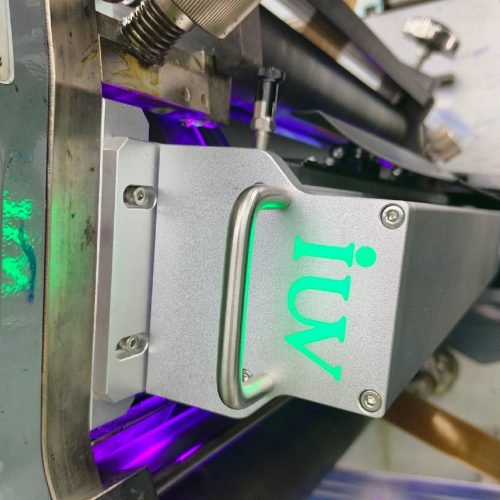
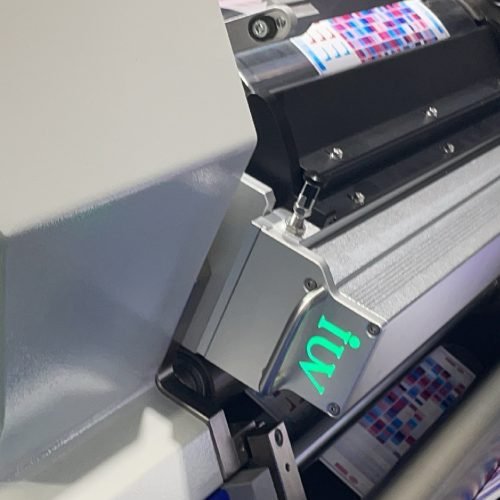
LED UV curing systems continue to evolve for use in both flexographic and offset printing applications. Advances in LED curing systems have led to improvements in light intensity, uniformity, and the ability to cure a broader range of ink types. The new developments in LED curing heads and integration with presses have made it easier for printers to incorporate LED UV technology into their workflows without major overhauls.
In flexographic printing, LED UV curing allows for higher print speeds and better ink adhesion on non-porous substrates, which is a common challenge with traditional UV curing. This is particularly beneficial in the packaging and label printing sectors, where high-quality prints and fast turnaround times are essential.
3. Integration with Narrow-Web Printing
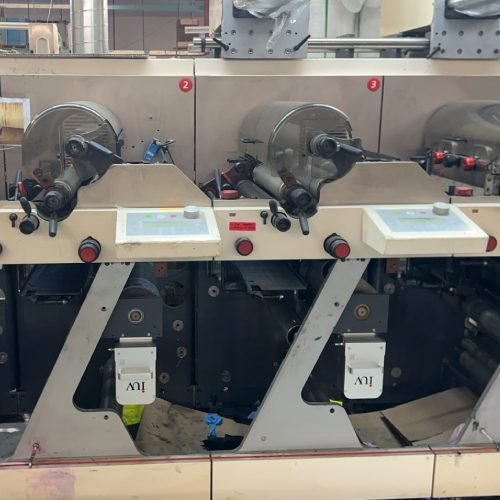
LED UV curing technology is transforming narrow-web printing. As the demand for customized packaging and labels continues to grow, narrow-web printers are increasingly turning to LED UV curing to meet the requirements of high-quality, fast-turnaround printing. LED UV systems are especially well-suited for narrow-web presses used in label printing, as they allow for the quick curing of inks and coatings without affecting the speed or quality of the print job.
4. Compact and Modular Systems
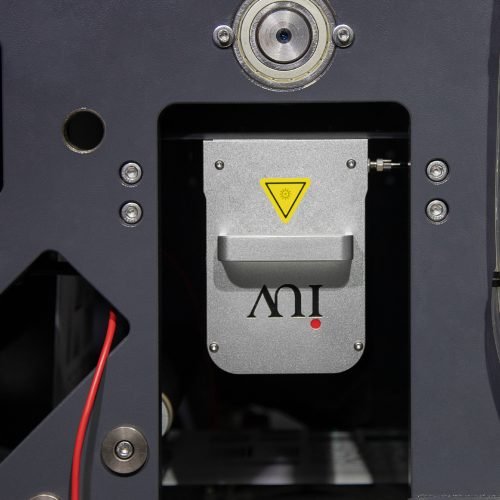
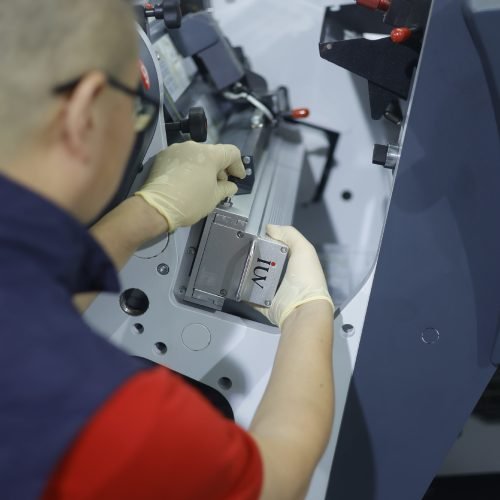
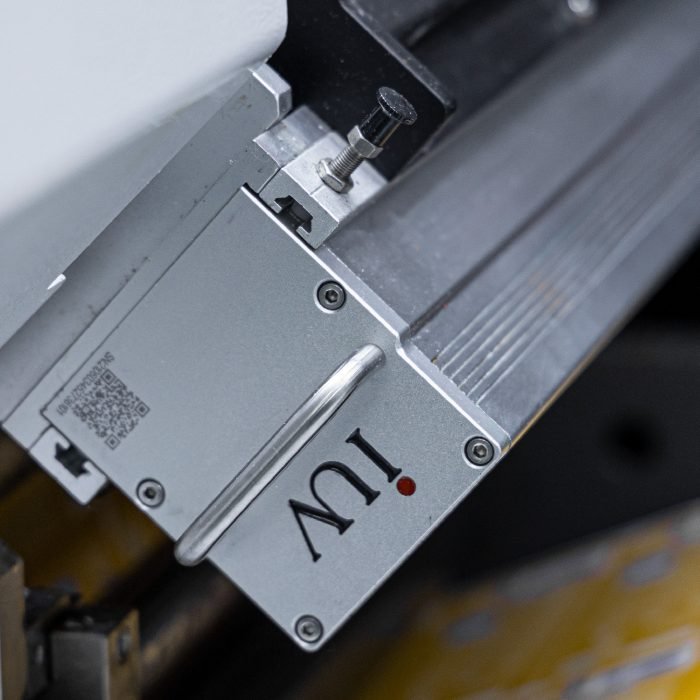
LED UV curing systems are becoming more compact and modular, making them suitable for a wider range of print applications. These systems can be easily integrated into smaller presses or retrofitted into existing print equipment. The compact nature of modern LED UV curing units makes them ideal for flexible production environments, where space may be limited but performance cannot be compromised.
5. Intelligent Control and Automation
As printing presses become more automated, LED UV curing systems are also benefiting from advances in intelligent control technology. Real-time monitoring and adaptive curing systems ensure that the curing process is optimized for each specific job. Automation and digital controls help printers maintain consistent quality and efficiency throughout the production run, reducing the likelihood of errors and waste.
Challenges and Considerations for LED UV Curing Adoption
While LED UV curing presents many advantages, there are still challenges to overcome. The initial investment cost of LED UV systems is higher compared to conventional UV curing systems, which may deter some printers from making the switch. However, the long-term savings in energy costs and reduced maintenance needs often outweigh the initial expense.
Additionally, while LED UV technology is widely compatible with a variety of inks, there are still ongoing developments to ensure that LED UV systems can work effectively with all types of printing substrates. Printers must carefully evaluate the suitability of LED UV curing for their specific applications to ensure optimal results.
Conclusion
The future of LED UV curing in the printing industry looks exceptionally promising. With its numerous benefits, including energy efficiency, faster production times, improved print quality, and environmental sustainability, LED UV technology is becoming an essential part of modern printing. As innovations continue to emerge, LED UV curing will play an increasingly important role in flexographic printing, offset printing, narrow-web printing, and other specialized printing applications.
For printers looking to stay competitive in an evolving market, embracing LED UV curing technology is not just an option—it is a necessity. By investing in LED UV curing systems, printers can meet the growing demand for high-quality, efficient, and sustainable printing solutions while positioning themselves at the forefront of the printing industry’s future.