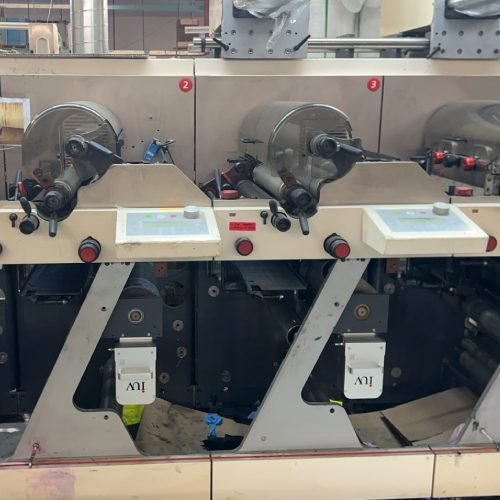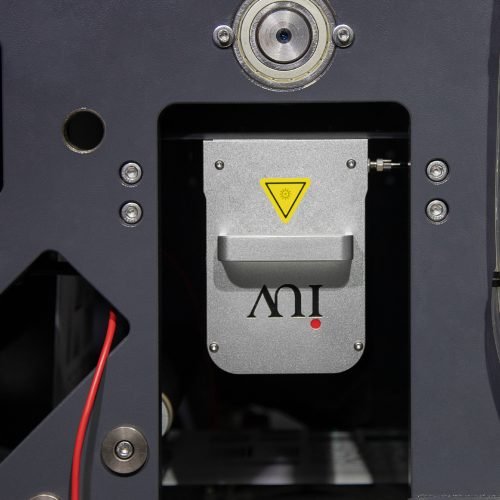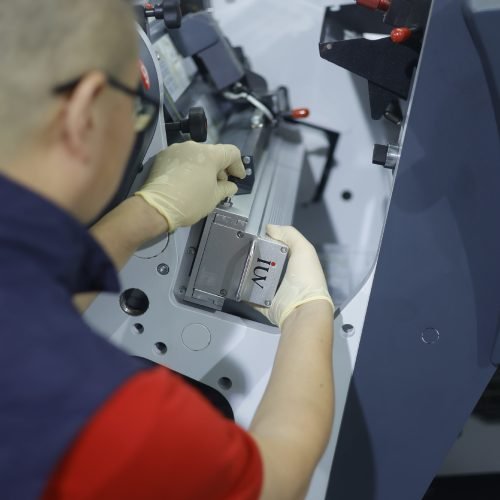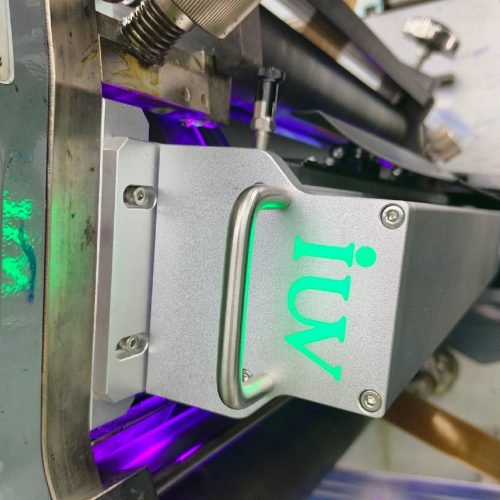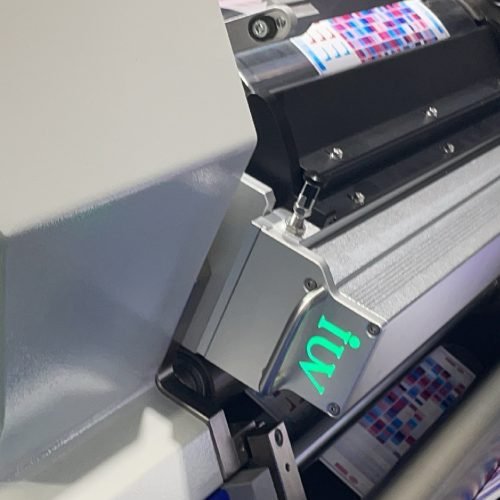
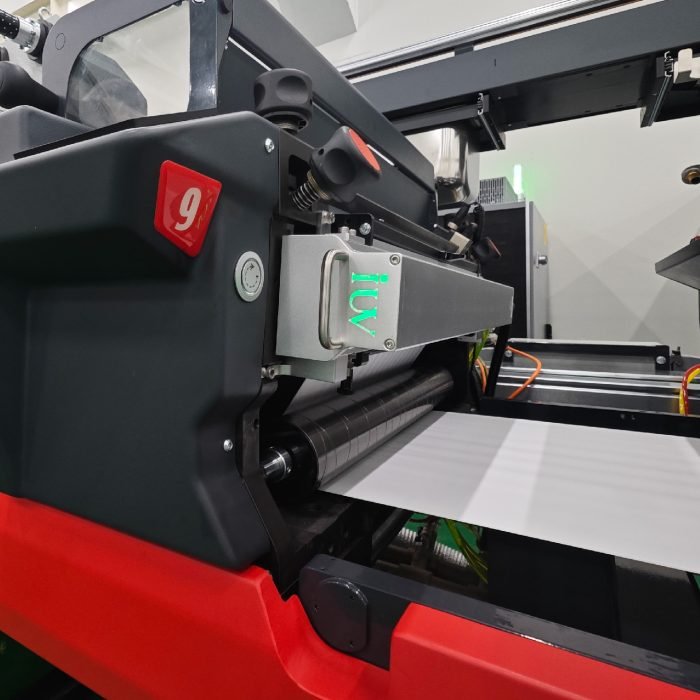
The landscape of commercial printing is in constant evolution. For decades, offset printing has been a cornerstone technology. It offers exceptional quality and consistency. However, the demand for faster turnaround times, broader substrate compatibility, and more environmentally friendly processes has pushed innovation. This is where the integration of LED UV curing systems becomes a pivotal development. This technology is not just an add-on; it’s a fundamental enhancement to offset printing, particularly within the demanding realm of narrow web applications.
The Synergy: Offset Printing Meets LED UV Curing
Offset printing, in its traditional form, relies on inks that dry through absorption or oxidation. This process can be slow and limit the types of materials that can be printed on. LED UV curing, on the other hand, utilizes ultraviolet light emitted from light-emitting diodes. These diodes activate photoinitiators within specially formulated UV-curable inks and coatings. The result is near-instantaneous curing. This means inks and coatings polymerize rapidly, forming a durable, dry film on the substrate’s surface.
The synergy between offset and LED UV is profound. Offset presses, known for their precise ink transfer and ability to handle fine details, can now benefit from the speed and versatility that UV curing brings. For narrow web printing, where efficiency and flexibility are paramount, this combination is particularly impactful. It allows for printing on non-porous substrates like plastics and foils with the same ease as traditional paper. This opens up a vast array of new applications for label printers, packaging converters, and other specialized print providers.
Advantages for Narrow Web and Label Printing
In the narrow web sector, label printing is a dominant force. Printers are constantly challenged to produce high-quality labels quickly and cost-effectively. Integrating LED UV curing systems into offset presses addresses these challenges directly.
- Speed and Throughput: The instantaneous drying provided by LED UV allows for faster printing speeds. This translates directly to increased production throughput. Presses can run at their maximum mechanical speed without the limitations of ink drying times. This is a significant advantage for meeting tight deadlines in the label industry.
- Substrate Versatility: Traditional offset inks struggle with non-absorbent materials. LED UV-curable inks adhere exceptionally well to a wide range of substrates. This includes films, foils, plastics, and even textured papers. For label printers, this means the ability to produce labels for diverse applications – from food and beverage packaging to industrial products and luxury goods – all on the same equipment.
- Enhanced Durability: UV-cured inks and coatings are known for their superior scratch and chemical resistance. This is crucial for labels that may be exposed to harsh environments or heavy handling. The cured ink forms a robust layer that protects the printed image.
- Reduced VOC Emissions: Traditional solvent-based inks release Volatile Organic Compounds (VOCs) into the atmosphere. LED UV curing systems use inks with little to no VOCs. This aligns with growing environmental regulations and corporate sustainability goals. The reduced environmental impact makes LED UV a more responsible choice for printing operations.
- Energy Efficiency: While traditional UV lamps consume significant amounts of energy, LED UV systems are far more energy-efficient. They consume less power and generate less heat. This leads to lower operating costs and a more comfortable working environment. LEDs also have a much longer lifespan, reducing replacement frequency and associated downtime.
- Curing Flexibility: LED UV systems can be precisely controlled. Different wavelengths and intensities of UV light can be used to optimize curing for specific inks and substrates. This level of control ensures consistent quality and prevents issues like ink migration or incomplete curing.
Flexographic Printing’s Leap Forward
Flexographic printing is another key area where LED UV curing is making significant inroads, especially in narrow web applications for labels and flexible packaging. Traditionally, flexo presses have relied on water-based or solvent-based inks, or conventional UV inks with mercury vapor lamps. The adoption of LED UV technology brings similar benefits as seen in offset.
Flexo presses, known for their anilox roll ink transfer and flexible printing plates, can now achieve faster speeds with LED UV. The ability to instantly cure ink allows for the use of finer anilox rolls, enabling higher print resolutions and sharper dot reproduction. This is critical for the intricate designs often found on packaging.
The compatibility with a wider range of substrates is also a major win for flexo printers. This includes printing directly onto films for pouches, sachets, and other flexible packaging solutions. The enhanced durability of UV-cured inks is vital for packaging that needs to withstand abrasion and chemical exposure during product use and transport. Furthermore, the elimination of solvent vapors simplifies ventilation requirements and improves workplace safety.
Sheetfed Offset’s New Horizons
While narrow web is a primary focus, it’s important to note how LED UV is also transforming sheetfed offset printing. Large format presses are increasingly incorporating LED UV curing stations. This allows for immediate finishing of printed sheets.
Printers can now produce high-volume jobs with demanding turnaround times. The ability to handle coated and uncoated stocks with equal ease is a significant advantage. The instant curing means sheets can be stacked, cut, or further processed immediately after printing. This eliminates the need for spray powder, which can cause issues with print quality and post-press handling. The improved rub resistance also means that delicate finishes are preserved, even when sheets are handled extensively.
The Technical Considerations of LED UV Integration
Integrating LED UV curing systems into existing or new offset presses requires careful consideration of several technical aspects.
- Wavelength Selection: LEDs emit UV light within specific wavelength bands. The most common for UV curing are in the UVA range (365 nm, 385 nm, 395 nm, 405 nm). The choice of wavelength depends on the photoinitiators used in the ink formulation. Matching the LED output to the ink’s spectral sensitivity is crucial for efficient curing.
- Irradiance and Dose: Irradiance refers to the power density of the UV light reaching the substrate, measured in watts per square centimeter (W/cm²). The UV dose is the total energy delivered over time (J/cm²). Both are critical for achieving proper ink polymerization. Higher irradiance allows for faster printing speeds, while the total dose ensures complete curing.
- Cooling Systems: While LEDs are more energy-efficient than traditional UV lamps, they still generate heat. Effective cooling systems are necessary to maintain optimal LED performance and longevity. This often involves air or liquid cooling.
- Ink Formulations: Offset inks designed for LED UV curing contain specialized photoinitiators and monomers/oligomers. These are formulated to react quickly and efficiently under the specific LED wavelengths. Compatibility between the ink, substrate, and LED output is paramount.
- Press Modifications: Retrofitting existing offset presses may require modifications to accommodate the LED UV lampheads, power supplies, and cooling systems. Careful planning is needed to ensure proper integration without compromising press performance or operator safety.
The Future Outlook: Continued Growth and Innovation
The integration of LED UV curing systems with offset printing is not a fleeting trend; it represents a significant and ongoing evolution of the technology. As LED technology continues to advance, we can expect even greater efficiencies and capabilities.
- Higher Power LEDs: Continued development in LED technology will likely lead to higher power output, enabling even faster printing speeds and broader curing capabilities.
- Wider Spectrum LEDs: Research into broader spectrum LEDs could simplify ink formulations and allow for greater flexibility in curing.
- Smart Curing Systems: The development of intelligent curing systems that can monitor and adjust UV output in real-time based on substrate type, ink density, and press speed will further enhance consistency and efficiency.
- Sustainability Focus: The environmental benefits of LED UV curing will continue to drive adoption as regulations become stricter and brands prioritize sustainable packaging.
- Expanded Applications: As the technology matures, we will see LED UV offset printing being applied to an even wider range of products and markets, from specialized packaging to commercial print applications requiring extreme durability and fast turnaround.
In conclusion, the marriage of offset printing with integrated LED UV curing systems is a powerful combination. It offers unparalleled advantages in speed, substrate versatility, durability, and environmental responsibility, particularly for the narrow web sector. For label printers, flexo converters, and commercial printers looking to stay competitive and innovative, embracing this technology is no longer an option, but a strategic imperative for future success.