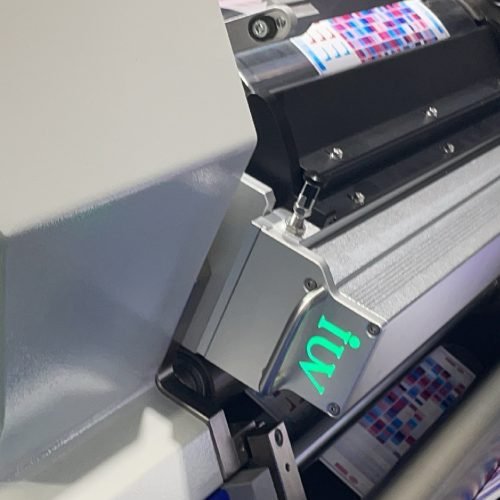
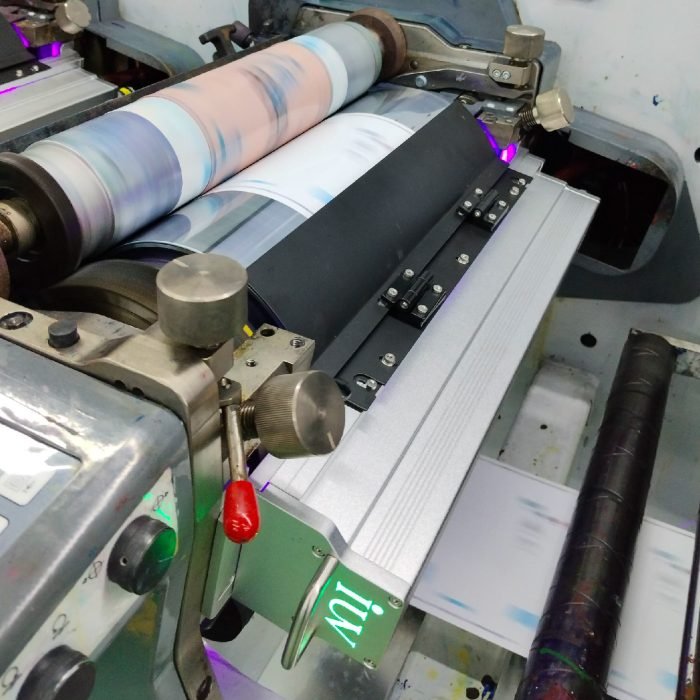
The printing industry is constantly seeking ways to enhance efficiency. This drive for improvement leads us to investigate innovative technologies that can streamline production and elevate product quality. Among the most promising advancements is the widespread adoption of LED UV curing systems. These systems offer a paradigm shift in how inks and coatings are dried, directly impacting the speed, cost, and environmental footprint of various printing processes.
The Evolution of UV Curing
For decades, UV curing has been a staple in printing for its speed and durability. Traditional UV curing methods typically employed mercury vapor lamps. While effective, these lamps have certain drawbacks. They consume significant amounts of energy, generate considerable heat, and have a limited lifespan, requiring frequent replacement. Furthermore, mercury lamps emit UV radiation across a broad spectrum, which can sometimes lead to substrate degradation or undesirable effects on sensitive inks. The inherent heat generated by these lamps also necessitated robust cooling systems, adding to both the complexity and energy demands of the printing press.
Enter LED UV: A Leap Forward in Efficiency
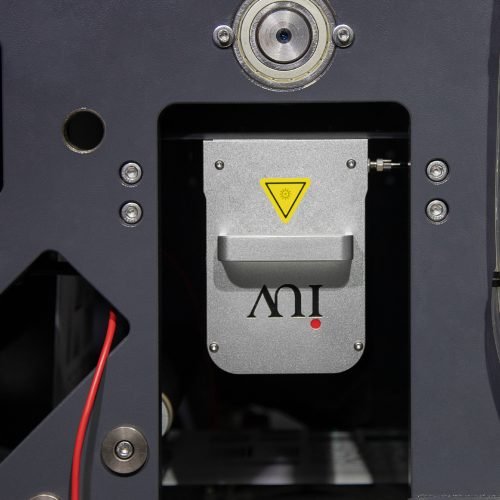
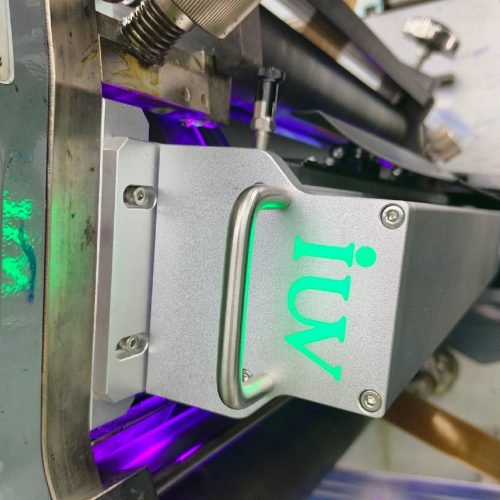
Light Emitting Diode (LED) UV curing technology represents a significant evolution. Unlike mercury lamps, LEDs emit UV light within a narrow, specific wavelength. This targeted emission means less energy is wasted on wavelengths that don’t contribute to curing. The result is a highly efficient process that uses considerably less power.
One of the most immediate benefits of LED UV is its reduced energy consumption. Studies consistently show that LED systems can use up to 70% less energy compared to traditional mercury lamp systems. This translates directly into lower operating costs for printing businesses, a crucial factor in today’s competitive market.
Impact on Label Printing
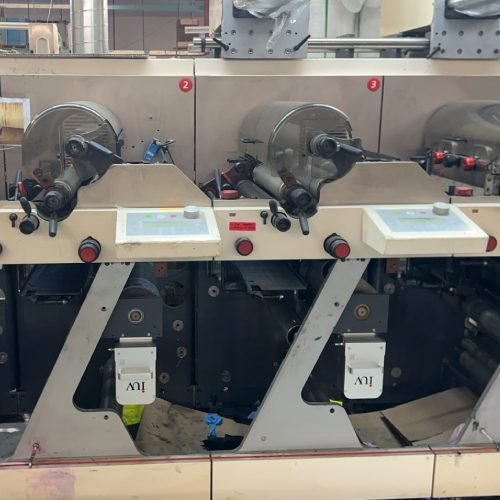
In the demanding world of label printing, efficiency and speed are paramount. Narrow web label printers, in particular, benefit immensely from LED UV curing. These presses operate at high speeds, and any bottleneck in the drying process can cripple productivity.
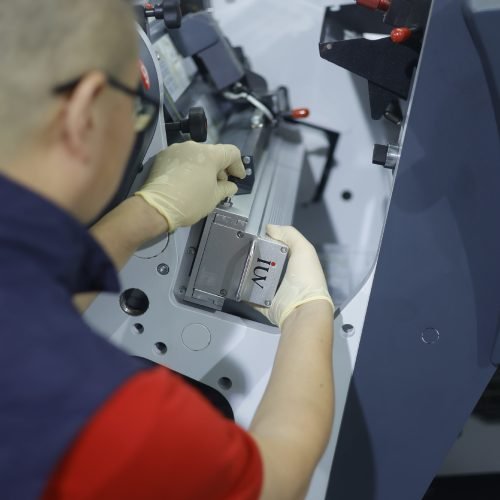
LED UV systems allow for instantaneous curing as the substrate moves through the press. This means labels can be immediately finished, stacked, or sent for further processing without any delay. The reduced heat output from LEDs is also a significant advantage. Many label substrates are thin films or sensitive papers that can warp or distort under the heat of traditional lamps. LED curing, with its cooler operation, preserves the integrity of these delicate materials, leading to fewer production errors and higher quality finished products.
The precise wavelength control of LED UV also allows for greater flexibility with ink formulations. Printers can achieve vibrant colors and durable finishes on a wider range of substrates, including plastics, foils, and textured papers, without compromising cure speed or quality. This versatility is invaluable for label converters producing diverse product lines.
Revolutionizing Flexographic Printing
Flexographic printing, or flexo, is a versatile printing method used for packaging, labels, and commercial printing. It relies on raised image plates to transfer ink. The integration of LED UV curing in flexo presses offers substantial gains in efficiency and sustainability.
For narrow web flexo printers, the same benefits seen in label printing apply. Instantaneous curing allows for faster press speeds, increased throughput, and immediate post-press handling. This is critical for high-volume production runs where time is literally money.
Beyond speed, LED UV contributes to a cleaner printing environment. Mercury lamps contain hazardous materials, posing disposal challenges and environmental concerns. LED systems are mercury-free, offering a more eco-friendly curing solution. This aligns with the growing demand from brands and consumers for sustainable packaging and printing practices.
Furthermore, the lower heat generation by LED UV systems reduces the risk of issues like ink trapping problems or substrate shrinkage, which can occur with excessive heat in flexo printing. This leads to more consistent print quality across long runs and reduces waste. The ability to achieve a full cure with a focused UV spectrum also enhances the performance of specialty inks, such as those for food-safe packaging, where strict regulations apply.
Advancements in Offset Printing
Offset printing, particularly sheetfed and web offset, also stands to gain from LED UV technology. While offset has traditionally relied on heatset, infrared, or conventional UV curing, LED UV offers compelling advantages.
In offset printing, the ability to achieve a full cure quickly is essential for the efficient handling of printed sheets. LED UV allows for instant drying of inks and coatings, meaning sheets can be immediately delivered, stacked, or moved to finishing operations like die-cutting or folding without smudging or offsetting. This drastically reduces turnaround times for print jobs.
The reduced heat output from LED UV systems in offset presses also helps maintain sheet registration. Excessive heat can cause paper to expand and contract, leading to misregistration and print defects, especially in multi-color applications. LED curing minimizes these thermal stresses, ensuring sharper, more accurate prints.
For applications requiring high-gloss coatings or protective varnishes, LED UV provides an excellent finish with remarkable durability. The precision of the LED wavelength ensures optimal performance of UV coatings, delivering consistent gloss levels and scuff resistance. This is particularly beneficial for commercial printing, book covers, and high-end packaging where visual appeal and tactile quality are crucial selling points.
Sustainability and Cost-Effectiveness
The environmental benefits of LED UV curing are undeniable. The significant reduction in energy consumption directly translates to a smaller carbon footprint for printing operations. The elimination of mercury in the lamps also removes a hazardous waste stream, contributing to a more sustainable printing ecosystem.
From a cost perspective, the initial investment in LED UV systems is often higher than traditional systems. However, the long-term savings are substantial. Lower energy bills, reduced maintenance costs due to the extended lifespan of LEDs (often tens of thousands of hours compared to a few thousand for mercury lamps), and decreased downtime for lamp replacements all contribute to a compelling return on investment. The reduction in waste due to fewer production errors also adds to the overall cost-effectiveness.
The Future is Cured by Light
The evidence is clear: LED UV curing systems are not just an incremental improvement; they represent a fundamental shift in printing efficiency. For narrow web label printers, flexographic operations, and offset printing houses, the adoption of this technology offers a pathway to faster production, higher quality output, reduced operating costs, and a more sustainable business model. As the technology continues to mature and become more accessible, its role in shaping the future of efficient printing will only grow. The industry is embracing this powerful, efficient, and environmentally conscious curing solution, paving the way for a brighter, more productive printing landscape.