Traditional UV curing systems have been a staple in printing for decades. They use mercury lamps to generate UV light. While effective, these lamps have drawbacks. They consume a lot of energy, produce heat, and have a limited lifespan. This necessitates frequent replacement and contributes to higher operational costs.
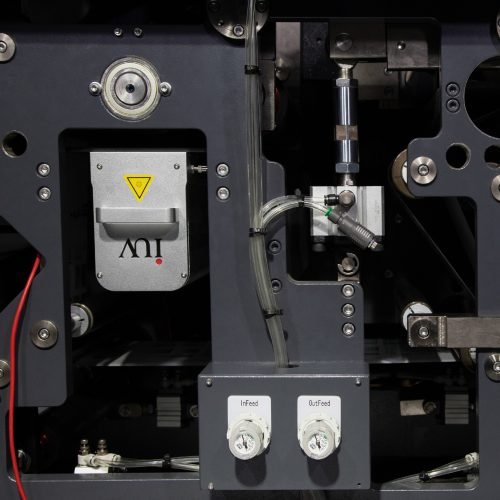
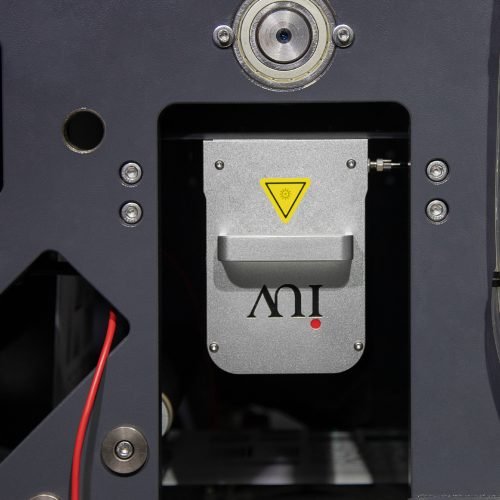
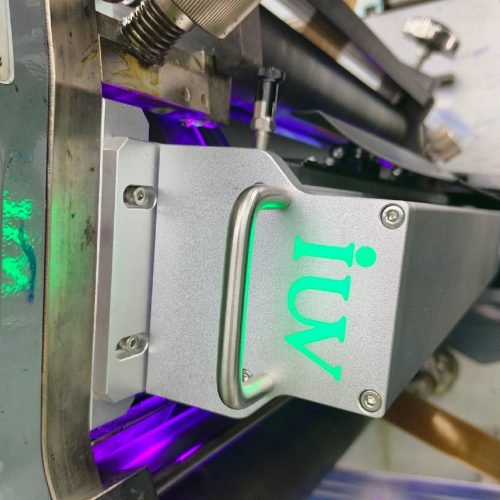
LED UV curing technology offers a different approach. It utilizes light-emitting diodes (LEDs) to produce UV light. This fundamental difference brings about a host of advantages. LEDs are more energy-efficient. They consume significantly less power compared to mercury lamps. This translates directly into reduced electricity bills. LEDs also generate less heat. This is crucial for printing on heat-sensitive substrates. Think of thin films or certain types of paper.
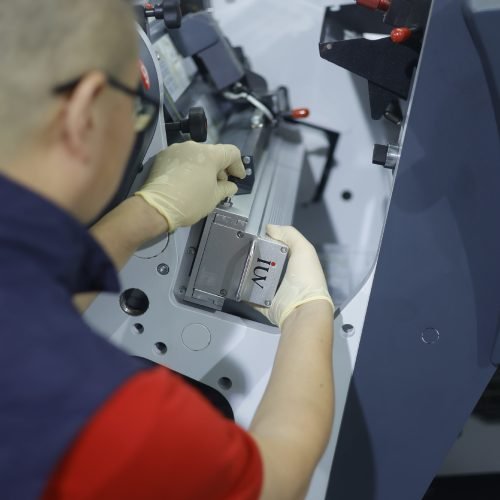
Furthermore, LEDs have a much longer operational lifespan. They can last tens of thousands of hours. This dramatically reduces maintenance downtime and the cost of frequent lamp replacements. The spectral output of LEDs can also be precisely controlled. This allows for tailored curing profiles optimized for specific inks and coatings. The instant on/off capability of LEDs also means no warm-up time is needed. This contributes to increased productivity and efficiency on the press.
Trends in Label and Narrow Web Printing
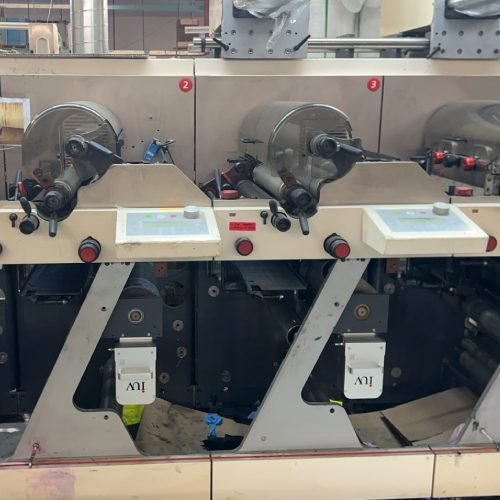
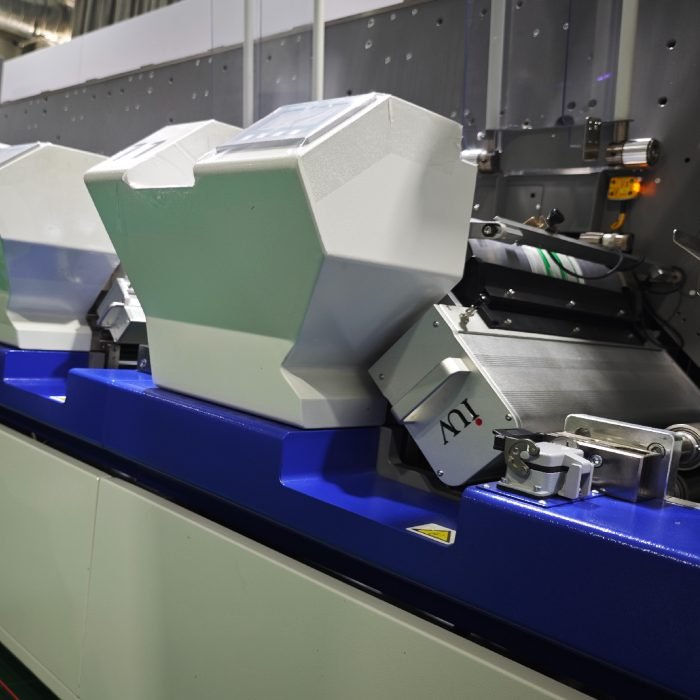
Label and narrow web printing have been early adopters of LED UV curing. The demands of this sector are high. Speed, efficiency, and vibrant print quality are paramount. LED UV systems perfectly align with these needs.
One major trend is the increasing adoption of LED UV for full-scale production. Initially, LED UV might have been seen as a premium option. Now, the cost-benefit analysis clearly favors this technology. The energy savings alone are a significant driver. For printers running multiple shifts, the cumulative savings are substantial.
Another trend is the development of specialized LED UV systems. These are designed to address specific challenges in label printing. For instance, systems optimized for high-speed curing on challenging substrates like PE and PP films are becoming more common. The precise control over wavelength also allows for curing of new ink formulations. These inks are designed for enhanced scratch resistance and chemical resistance, vital for durable labels.
The environmental benefits are also gaining traction. Reduced energy consumption means a smaller carbon footprint. This is increasingly important as brand owners and consumers prioritize sustainability. LED UV systems contribute to a greener printing process.
Innovations in Flexible Packaging
Flexible packaging is another area where LED UV curing is making significant inroads. The demands here are diverse. High barrier properties, food safety compliance, and vibrant aesthetics are essential.
LED UV curing is enabling the development of new ink and coating technologies for flexible packaging. This includes low-migration inks and coatings. These are critical for food packaging applications, ensuring no harmful substances transfer to the product. The precise curing offered by LEDs helps achieve optimal cross-linking. This results in superior barrier properties, protecting the contents from oxygen and moisture.
The ability to cure at lower temperatures is also a boon for flexible packaging. Many plastic films used in packaging are sensitive to heat. Traditional curing methods could cause distortion or damage. LED UV’s cooler operation preserves the integrity of these delicate substrates. This expands the range of materials that can be efficiently printed and finished.
The trend towards short-run, customized packaging is also being facilitated by LED UV. The rapid on/off capability and quick setup times associated with LED systems make it economically viable to produce smaller batches of packaging with unique designs.
The Impact on Offset and Wide Format Printing
While label and narrow web have been pioneers, offset and wide-format printing are also embracing LED UV technology.
In offset printing, LED UV systems are being integrated into sheet-fed and web presses. They offer advantages in terms of immediate drying. This allows for faster throughput. Printed sheets can be immediately sent for further processing or finishing. This eliminates the need for inter-deck dryers or separate drying towers, saving space and energy.
The quality benefits are also notable. LED UV curing can achieve higher gloss levels and sharper dot reproduction. It also allows for the use of specialized coatings that enhance the tactile feel of the printed material. For printers working with a wide range of paper stocks, the ability to cure effectively on various substrates without issues like yellowing or curling is a major plus.
In wide-format printing, LED UV is revolutionizing how large-format graphics are produced. The ability to print directly onto rigid and flexible materials is a key application. LED UV curing ensures that prints are instantly dry and durable. This is essential for applications like signage, exhibition graphics, and vehicle wraps.
The development of flexible LED UV lamps has also opened up new possibilities. These lamps can conform to curved surfaces. This allows for printing on irregular objects. The enhanced durability and weather resistance of LED UV cured prints make them ideal for outdoor applications.
Future Outlook and Emerging Trends
The future of LED UV curing systems in the printing industry looks incredibly bright. Several trends are set to shape its trajectory.
One significant trend will be the continued refinement of LED light sources. We can expect even greater energy efficiency and longer lifespans. Advancements in semiconductor technology will likely lead to more powerful and compact LED UV systems. This will make them more accessible and easier to integrate into existing and new printing presses.
The development of new ink and coating formulations will continue. These will be specifically designed to leverage the unique advantages of LED UV curing. Expect to see more environmentally friendly, low-VOC (volatile organic compound) inks and coatings. The demand for functional coatings, such as those providing antimicrobial properties or enhanced scratch resistance, will also drive innovation.
Smart integration and automation will play a bigger role. LED UV systems will become more intelligent. They will be able to monitor curing parameters in real-time. They will automatically adjust power and exposure levels to ensure optimal results. This will further enhance consistency and reduce waste.
As sustainability becomes an even greater priority, LED UV curing will be a key enabler. Its energy efficiency, reduced waste, and potential for low-VOC formulations position it as a leading sustainable printing technology.
The ongoing evolution of LED UV curing systems promises to unlock new creative possibilities. It will also drive greater efficiency and sustainability across the global printing industry. Businesses that embrace this technology will be well-positioned for future success.