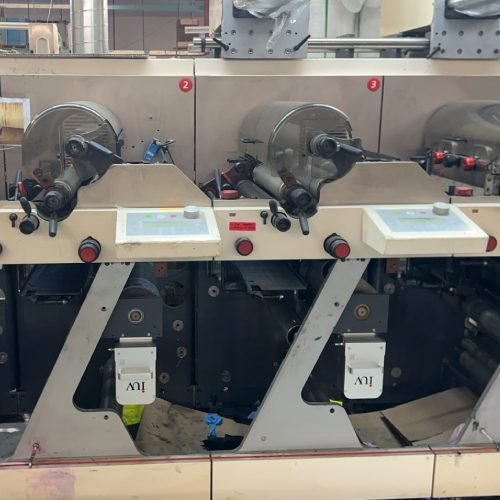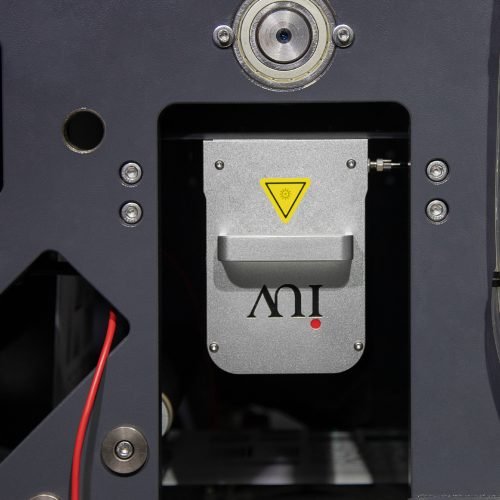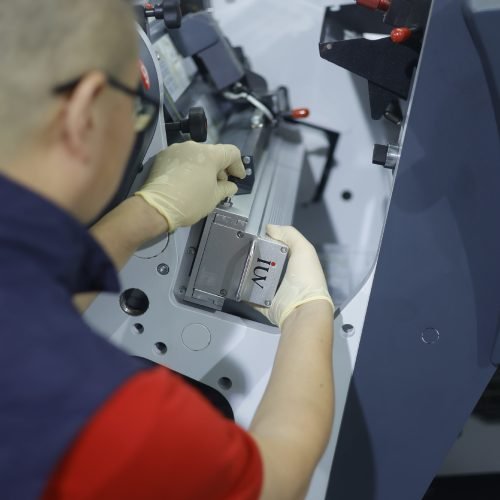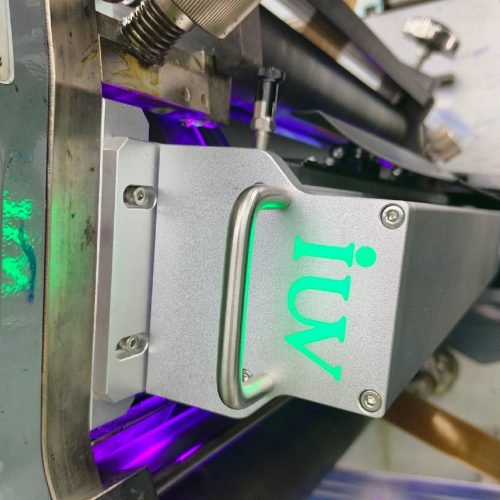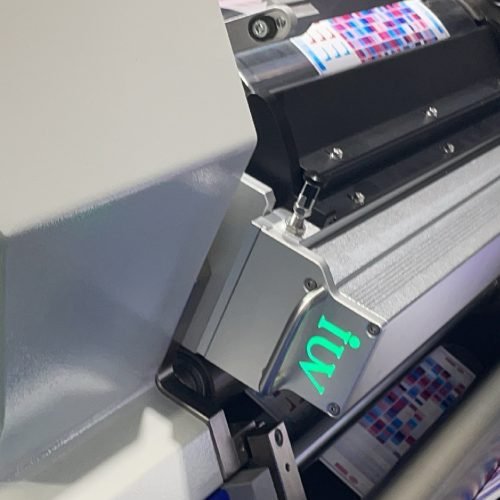
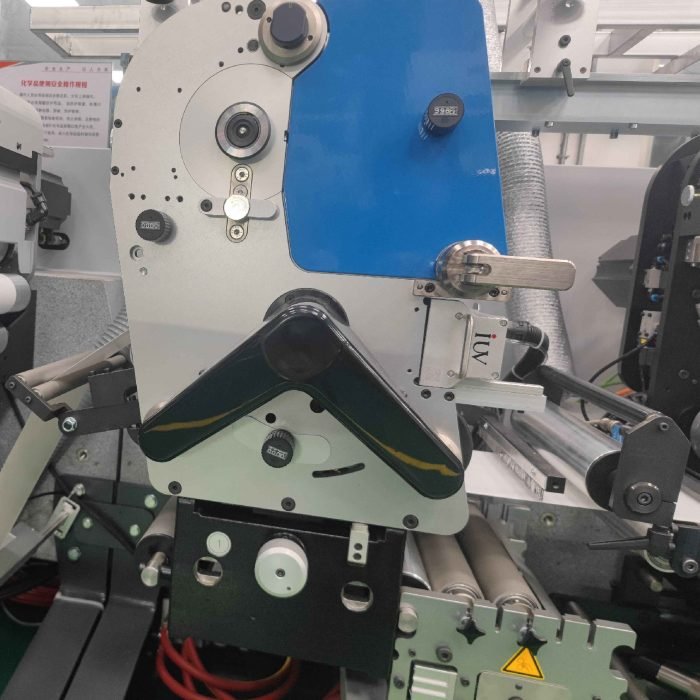
In the evolving landscape of printing technology, LED curing systems have emerged as a game-changer for UV ink applications. Their ability to deliver precise energy output, reduce operational costs, and enhance print quality has transformed processes across label, flexo, offset, and narrow-web printing. This shift isn’t just about adopting new equipment—it’s redefining how UV inks perform under different production conditions.
Energy Efficiency Meets Consistent Curing
Traditional mercury-vapor UV systems consume significant power and generate excess heat, creating challenges for temperature-sensitive substrates. LED curing technology operates at targeted wavelengths (typically 365-405 nm), aligning perfectly with photoinitiators in modern UV inks. This spectral precision eliminates wasted energy, reducing electricity consumption by up to 70% compared to conventional systems. For label printers using thin films or paper stocks, the cooler operation prevents material warping while maintaining cure speeds exceeding 100 meters/minute.
Adhesion and Surface Compatibility
Flexographic printers face unique challenges with non-porous substrates like polyethylene or metallicized films. LED UV curing enhances ink adhesion through controlled polymerization. Unlike broad-spectrum UV systems that can over-cure surface layers, LED’s narrow wavelength range ensures complete through-cure without compromising flexibility. This is critical for pressure-sensitive labels and packaging materials that undergo post-print processes like die-cutting or lamination.
Color Stability in Offset Applications
Sheetfed offset printers benefit from LED curing’s instant on/off capability, which eliminates warm-up delays and supports shorter print runs. UV inks cured under LED systems show improved color consistency, particularly in high-density black and four-color process work. The absence of infrared radiation reduces dot gain variation, maintaining sharper halftone patterns on coated stocks. A recent study comparing LED and arc lamp systems found a 15% improvement in Delta-E color accuracy for offset-printed marketing materials.
Narrow-Web Printing: Precision at High Speeds
In narrow-web applications for tags, sleeves, and security printing, LED curing supports finer screen rulings (up to 200 lpi) without ink spread. The immediate curing halts dot gain progression, critical for microtext and anti-counterfeiting features. Hybrid systems combining LED with low-power mercury lamps are gaining traction for specialized inks requiring dual-wavelength activation, particularly in pharmaceutical labeling where regulatory compliance is paramount.
Ink Formulation Advancements
The transition to LED curing has driven UV ink manufacturers to reformulate chemistries. New oligomer blends now achieve full curing at lower energy densities (3-5 W/cm²), enabling compatibility with mid-power LED systems. Additives like silicone acrylates improve surface leveling before cure initiation, addressing the faster polymerization start of LED systems compared to traditional UV.
Environmental and Regulatory Factors
With global regulations phasing out mercury-based technologies, LED curing provides a sustainable alternative. The elimination of ozone-generating short-wave UV radiation improves workplace safety, while mercury-free systems align with RoHS and REACH directives. Printers serving eco-conscious markets, particularly in Europe and North America, leverage this advantage in client communications and certifications.
Operational Cost Considerations
While LED curing units carry higher upfront costs, their 20,000 hour lifespan and minimal maintenance requirements deliver ROI within 12-18 months for most operations. The elimination of reflector replacements and reduced HVAC loads in summer months contribute to long-term savings. A label converter in Germany reported 40% annual energy cost reduction after switching to LED, with additional savings from eliminated lamp disposal fees.
Substrate Expansion Opportunities
LED UV’s cooler operation enables printing on heat-sensitive materials previously incompatible with UV curing. Thin PET films, thermal transfer papers, and even some biodegradable substrates now withstand the curing process without distortion. This opens new markets for printers in electronics, medical device labeling, and sustainable packaging.
Process Integration Challenges
Adopters must address ink shelf life and compatibility issues. LED-specific UV inks require strict storage conditions (below 25°C) to prevent premature polymerization. Press configurations need optimization—some older flexo presses require retrofitting with inertization systems to prevent oxygen inhibition during curing.
Future-Proofing Print Operations
As LED technology advances, newer systems now offer adjustable wavelengths to accommodate diverse ink chemistries. Dual-wavelength LEDs (385 395 nm) are solving cure-through challenges on opaque white inks and thick coatings. The integration of real-time radiometry sensors ensures consistent cure quality across job changes, particularly valuable in mixed-product print environments.
The migration to LED UV curing represents more than an equipment upgrade—it’s a strategic realignment of print production capabilities. From reducing carbon footprints to enabling novel substrate applications, the technology continues to push UV ink performance boundaries. Printers who master this transition position themselves competitively in markets demanding faster turnaround, superior quality, and environmentally responsible manufacturing.