The demand for high-performance labels that withstand harsh conditions is constantly growing. In the competitive landscape of label printing, achieving superior durability and abrasion resistance is not just a desirable feature; it’s often a critical requirement. This is where advanced curing technologies, particularly LED UV curing systems, are making a significant impact. For narrow web printers, flexographic operations, and offset lithography specialists, understanding these advancements is key to delivering quality and value.
The Science Behind UV Curing and Durability
Traditional curing methods, such as heat drying or electron beam (EB) curing, have long been employed in the printing industry. However, UV curing, and more recently LED UV curing, offers a distinct set of advantages. UV curing involves the use of ultraviolet light to instantly polymerize inks, coatings, and adhesives. This process creates a highly cross-linked molecular structure, which directly translates to enhanced physical properties.
When inks and coatings are exposed to UV light, photoinitiators within the formulation absorb the energy. This absorption triggers a rapid chemical reaction, transforming liquid monomers and oligomers into a solid, durable film. The speed of this reaction is remarkable, allowing for high-speed printing processes without compromising on ink or coating integrity.
The Evolution to LED UV: A Game Changer for Durability
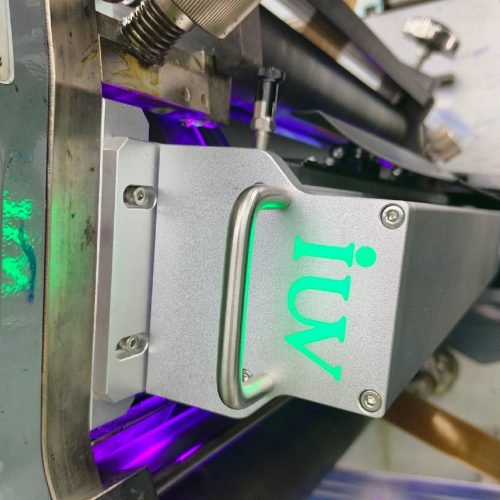
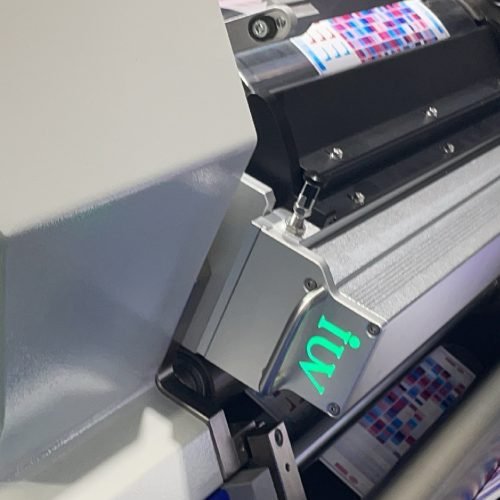
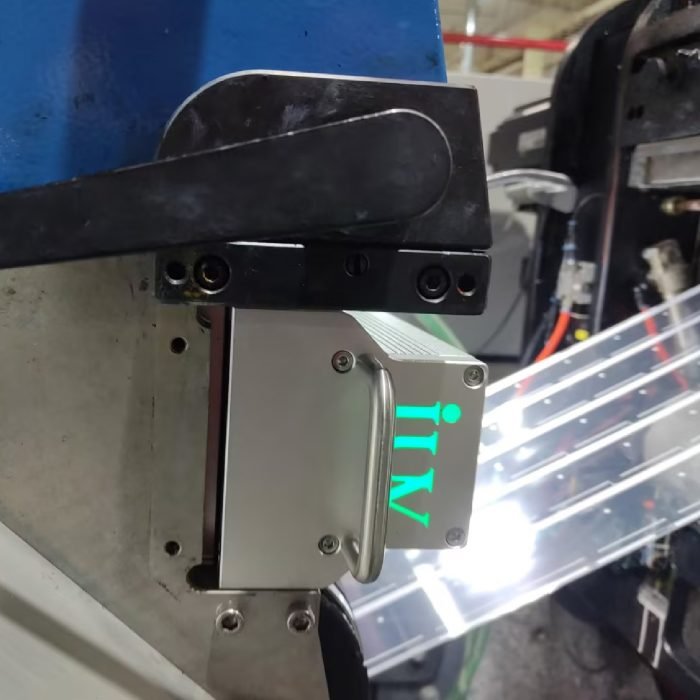
While traditional mercury-vapor UV lamps have been the standard for years, the advent of Light Emitting Diode (LED) UV technology represents a significant evolution. LED UV systems emit UV light at specific wavelengths, typically in the UVA range (365 nm, 395 nm, 405 nm). This targeted emission offers several benefits that directly influence print durability and abrasion resistance.
Firstly, the spectral output of LEDs is highly consistent. Unlike mercury lamps, which degrade over time and produce a broader, less focused spectrum, LEDs maintain their peak intensity and wavelength. This ensures a more uniform and complete cure across the printed substrate. A consistent cure is fundamental to achieving uniform hardness and chemical resistance in the final print. Inconsistent curing can lead to weaker spots, making the print more susceptible to scratching and damage.
Secondly, LED UV systems generate very little heat. This is a critical factor for printing on heat-sensitive substrates, common in narrow web label applications. Substrates like thin films or certain papers can warp, shrink, or even melt under the intense heat of conventional lamps. The low heat output of LEDs preserves the integrity of the substrate, allowing for a more stable and durable printed product. Furthermore, a cooler printing environment can lead to less misting and contamination, contributing to a cleaner and more reliable printing process.
Impact on Flexographic Printing and Narrow Web Applications
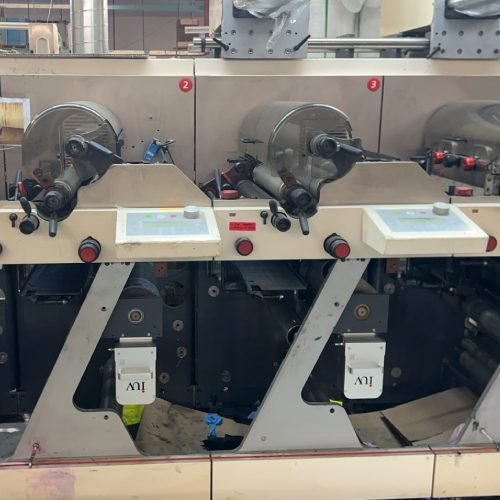
Flexographic printing, especially in the narrow web sector for labels and packaging, is a prime beneficiary of LED UV curing. Flexo presses often operate at high speeds, and the instant curing provided by LED UV systems allows printers to maintain these speeds without the lengthy drying times associated with conventional methods. This efficiency boost is crucial for meeting tight production schedules and reducing turnaround times.
More importantly, the enhanced durability imparted by LED UV curing is highly valued in the label market. Labels on consumer goods, industrial products, or automotive parts often face significant wear and tear. They can be exposed to friction from handling, chemical spills, or environmental factors. LED UV cured inks and coatings form a robust surface that resists these challenges. For flexographic printers, this means delivering labels that not only look good but also perform exceptionally well in their intended application, reducing product returns and enhancing brand reputation.
The ability of LED UV inks to adhere strongly to a wide range of substrates, including films, foils, and plastics, is also a significant advantage. This adhesion, combined with the inherent hardness of the cured film, contributes directly to improved abrasion resistance. The tightly cross-linked polymer network created by LED UV curing makes it far more difficult for abrasive forces to dislodge or damage the ink layer.
Benefits for Offset Lithography
Offset lithography, a cornerstone of commercial printing and also utilized in specialized label printing, also reaps substantial rewards from LED UV curing. Offset printing often involves the use of thicker ink films compared to some flexographic applications. LED UV curing effectively cures these thicker layers, ensuring that the entire ink film is fully polymerized. This leads to superior print quality with enhanced gloss and vibrancy.
The exceptional hardness and scratch resistance achieved with LED UV inks in offset printing are particularly beneficial for applications like book covers, packaging, and point-of-sale materials. These products often require a premium finish that can withstand handling and display without showing signs of wear. The chemical resistance of LED UV cured inks is also a major plus, protecting the printed image from common solvents, oils, and cleaning agents.
Furthermore, offset printers can achieve faster production speeds and immediate post-press finishing. This means printed sheets can be cut, folded, or die-cut shortly after exiting the press, eliminating the need for extended drying periods. This operational efficiency translates into cost savings and improved throughput.
Achieving Superior Abrasion Resistance: The Key Mechanisms
The improved abrasion resistance seen with LED UV cured prints is a direct result of the cured ink’s physical and chemical properties. The rapid and thorough polymerization process creates a dense, tightly cross-linked polymer matrix. This matrix is inherently harder and less susceptible to mechanical deformation or disruption.
- Cross-linking Density: The more extensive the cross-linking, the stronger the bonds between polymer chains. This significantly increases the material’s resistance to scratching and scuffing.
- Film Hardness: LED UV cured inks and coatings achieve a high surface hardness rapidly. This hardness prevents abrasive particles from penetrating or gouging the ink layer.
- Chemical Bonding: The curing process creates strong chemical bonds within the ink formulation and between the ink and the substrate. This robust adhesion prevents the ink from delaminating or peeling under stress.
- Uniformity: Consistent curing ensures that the entire ink film possesses these durable properties, without weak points that could initiate damage.
Choosing the Right LED UV Curing System and Formulations
To fully leverage the benefits of LED UV curing for print durability and abrasion resistance, printers must select the appropriate curing systems and ink/coating formulations.
System Considerations:
- Wavelength Compatibility: Ensure the LED UV system’s wavelength output is matched to the photoinitiators in the chosen inks and coatings. Common wavelengths are 365 nm, 395 nm, and 405 nm.
- Irradiance and Dose: The intensity of the UV light (irradiance) and the total energy delivered (dose) are critical for a complete cure. Higher irradiance generally leads to faster curing and potentially greater hardness.
- Cooling: While LEDs are cooler than mercury lamps, adequate cooling systems are still necessary to maintain optimal performance and longevity of the LEDs.
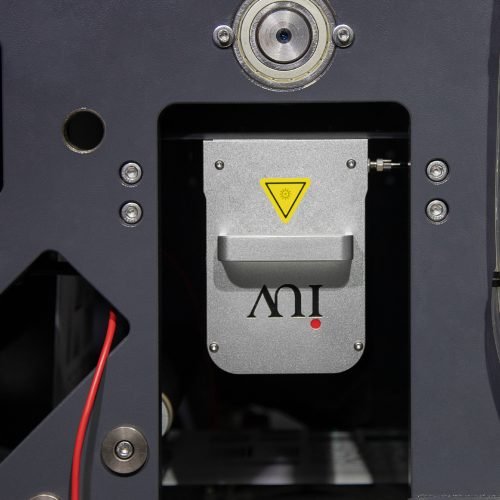
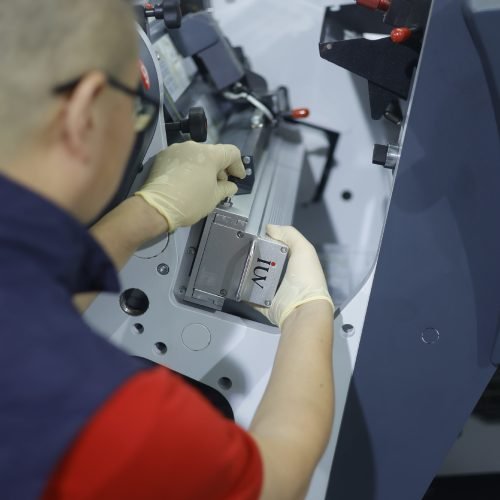
- Integration: The LED UV system must be seamlessly integrated into the printing press (flexo, offset, etc.) to ensure proper positioning and synchronization with the printing process.
Ink and Coating Formulations:
- Specific Durability Requirements: Consult with ink manufacturers to select formulations specifically designed for high abrasion resistance, chemical resistance, or flexibility, depending on the end-use application.
- Substrate Compatibility: The chosen inks and coatings must adhere well to the specific substrate being printed. Poor adhesion will negate any benefits of the curing technology.
- Low Migration: For food packaging applications, selecting low-migration LED UV inks and coatings is paramount, along with ensuring the curing process is optimized to minimize residual components.
The Future of Durable Printing is Here
LED UV curing systems are no longer a niche technology; they are becoming the standard for printers seeking to achieve exceptional print durability and abrasion resistance. For the narrow web, flexographic, and offset lithography sectors, this technology offers a pathway to higher quality, greater efficiency, and expanded market opportunities. By understanding the science behind LED UV curing and making informed choices about systems and formulations, printers can confidently deliver labels and printed products that stand the test of time and demanding applications. The investment in LED UV technology is an investment in the future of robust, high-performance printing.