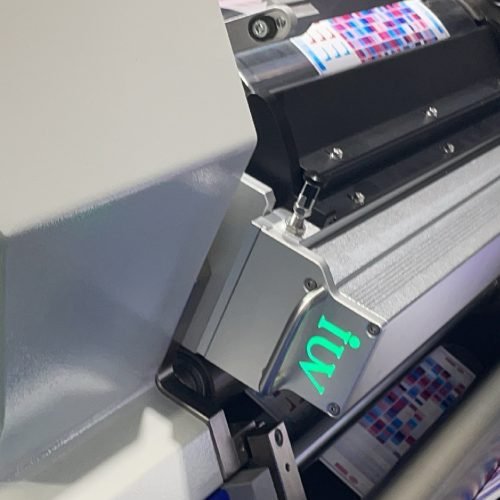
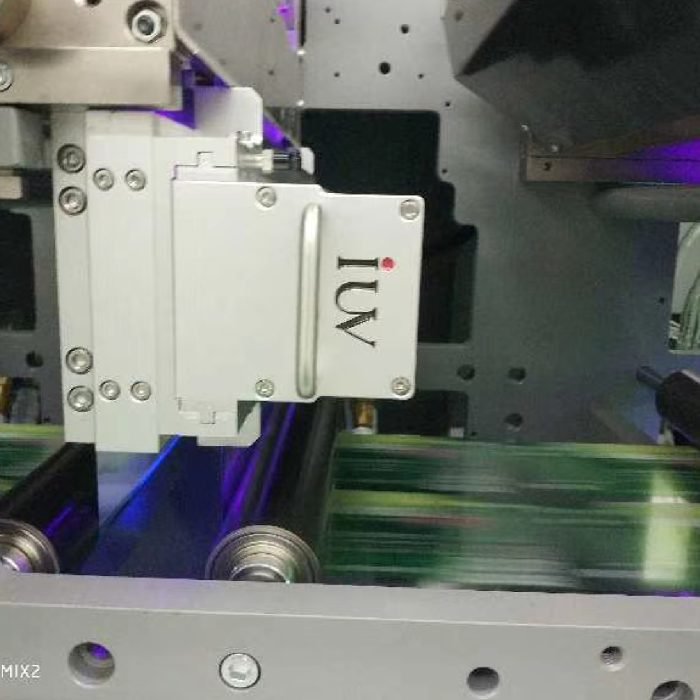
In the fast-paced world of printing, achieving vibrant colors, durable finishes, and fast turnaround times is paramount. LED UV curing technology has revolutionized this by offering efficient, mercury-free curing solutions. However, the true magic lies not just in using UV light, but in precisely controlling which UV light is used. This control is all about wavelength. For label printing, flexographic processes, offset printing, and narrow web applications, understanding and managing wavelength is the difference between a mediocre print and a masterpiece.
Understanding the Spectrum: UV Light and Its Curing Effect
Ultraviolet (UV) light exists on a spectrum, measured in nanometers (nm). Different wavelengths within this spectrum have varying levels of energy and interact differently with UV-curable inks, coatings, and adhesives. The primary wavelengths used in UV curing are typically in the UVA (315-400 nm) and UVC (100-280 nm) ranges, with UVB (280-315 nm) also playing a role.
For UV curing to occur, photoinitiators within the ink or coating must absorb UV photons. This absorption triggers a chemical reaction, initiating a rapid polymerization process. Think of it like a key fitting into a specific lock. Each photoinitiator is designed to absorb light most effectively at certain wavelengths. If the UV source doesn’t emit the correct wavelengths, the photoinitiator won’t activate efficiently, leading to incomplete curing.
The Nuances of Wavelengths for Different Applications
The specific wavelength requirements can vary significantly based on the printing process and the materials used. This is where an engineer’s expertise comes into play.
Wavelength in Label Printing: Precision for Performance
Label printing often demands high-resolution graphics, vibrant colors, and robust performance, whether for food packaging, pharmaceuticals, or industrial applications. In this sector, precise wavelength control is critical for several reasons:
- Ink Adhesion and Durability: Different ink formulations contain specific photoinitiators. Using the correct wavelength ensures these photoinitiators are fully activated, leading to strong adhesion to the substrate and resistance to scuffing, chemicals, and environmental factors. For instance, some pigments can absorb UV light, potentially hindering the curing process if the wavelength isn’t optimal.
- Color Fidelity: The interaction of UV light with pigments can influence the perceived color. Wavelengths that are too short or too long might cause unwanted reactions or insufficient curing, leading to dull or inaccurate colors. Consistent wavelength output ensures batch-to-batch color consistency.
- Substrate Integrity: Many labels are printed on sensitive materials like thin films or foils. Certain wavelengths, particularly those with higher energy, can degrade or deform these substrates if not managed carefully. Controlling the wavelength allows for effective curing without compromising the integrity of the label material.
Flexographic Printing: Speed and Versatility Meet Wavelength Control
Flexography is a workhorse in packaging and label printing, known for its speed and adaptability to various substrates. LED UV curing has become increasingly popular in flexo due to its instant curing and reduced heat.
- Achieving Through-Cure: Flexo inks often have a higher viscosity and are applied in thicker layers compared to some other printing methods. This means the UV light needs to penetrate deeply to cure the entire ink film. Specific wavelengths, often in the UVA range, are best suited for this deep penetration. If the wavelength is too short, it might only cure the surface, leaving the bulk of the ink uncured, leading to smudging or poor adhesion.
- Handling Diverse Substrates: Flexo prints on everything from paper and cardboard to plastics and flexible films. Each substrate can interact differently with UV light. Precisely controlled wavelengths ensure that the curing process is effective across this wide range of materials without causing damage or delamination.
- High-Speed Curing: Flexo presses operate at high speeds. LED UV systems must deliver intense, specific wavelengths rapidly to cure the ink instantaneously. Any deviation in wavelength output can lead to inconsistencies in cure speed and quality.
Offset Printing: Bridging Tradition with Modern Curing
While offset printing traditionally relies on heatset or UV curing with mercury lamps, the adoption of LED UV is growing, especially in sheetfed and narrow web applications.
- Ink Layer Thickness and Pigmentation: Similar to flexo, offset inks can vary in thickness and pigment density. The correct wavelength is essential for ensuring that the UV light can reach and activate the photoinitiators throughout the ink layer, even with highly opaque or dense inks.
- Minimizing Ink Tack Issues: In offset printing, the tack of the ink is crucial for proper ink transfer. Incomplete UV curing can lead to ink transfer issues in the printing stack or during subsequent finishing processes. Wavelength control ensures a complete and uniform cure, preventing these problems.
- Energy Efficiency and Reduced VOCs: LED UV systems offer significant energy savings over traditional UV lamps. Precise wavelength control means that only the necessary wavelengths are emitted, maximizing energy efficiency and further contributing to reduced volatile organic compounds (VOCs) when used with compliant inks.
Narrow Web Printing: Compact Power and Precise Curing
Narrow web presses, commonly used for labels and packaging, are space-constrained environments where efficiency and performance are critical.
- Optimizing Curing Zones: In narrow web presses, curing units are often integrated directly into the printing units. This means the UV source is in close proximity to the substrate. Precise wavelength control allows for targeted curing, minimizing heat transfer to the substrate and preventing distortion.
- Formulation Specificity: Narrow web printing often utilizes specialized inks and coatings for unique applications, such as scratch-resistant coatings or matte finishes. These formulations are often highly dependent on specific wavelengths for their properties to be fully realized.
- Consistency in High-Volume Runs: For label printers producing high volumes, consistency is key. LED UV systems with stable and controllable wavelengths ensure that every label produced, from the first to the last, meets the same quality standards.
The Technology Behind Wavelength Control: LED Systems
Modern LED UV curing systems offer superior control over wavelength compared to traditional mercury lamps. This is achieved through the use of specific semiconductor materials within the LED chips. By carefully selecting these materials and designing the LED arrays, manufacturers can emit light within very narrow wavelength bands.
- Narrow Band Emission: Unlike broad-spectrum mercury lamps, LEDs can be engineered to emit light predominantly within a specific nanometer range. For example, common wavelengths for UV curing are 365 nm, 385 nm, 395 nm, and 405 nm. Each of these peaks has distinct advantages depending on the photoinitiator chemistry.
- Stable Output: LED UV systems provide a stable and consistent output of their target wavelength over their lifespan, unlike mercury lamps which degrade and shift in their spectral output over time. This stability is crucial for repeatable print quality.
- Tunable Options: Advanced LED UV systems can even offer tunable wavelengths, allowing printers to adjust the output to match different ink systems or achieve specific curing effects. This flexibility is a significant advantage for printers working with a diverse range of jobs.
Choosing the Right Wavelength: A Collaborative Effort
Selecting the appropriate LED UV wavelength is not a one-size-fits-all decision. It requires a deep understanding of the entire print workflow:
- Ink and Coating Formulations: The most critical factor is the photoinitiator package. Consult with ink and coating manufacturers to identify the optimal absorption spectrum for their products.
- Substrate Type: Consider the substrate’s sensitivity to UV light and heat.
- Printing Process: Each printing method has unique requirements regarding ink layer thickness, speed, and transfer.
- Performance Requirements: What are the end-use requirements for the printed product – scratch resistance, chemical resistance, outdoor durability?
By collaborating closely with ink suppliers, equipment manufacturers, and understanding the nuances of each printing application, print professionals can leverage the power of precise wavelength control. This ensures that LED UV curing systems deliver not just speed and efficiency, but also the highest quality, most durable, and visually stunning printed products, every single time. The subtle science of light wavelength truly underpins the success of advanced UV curing in today’s competitive printing landscape.