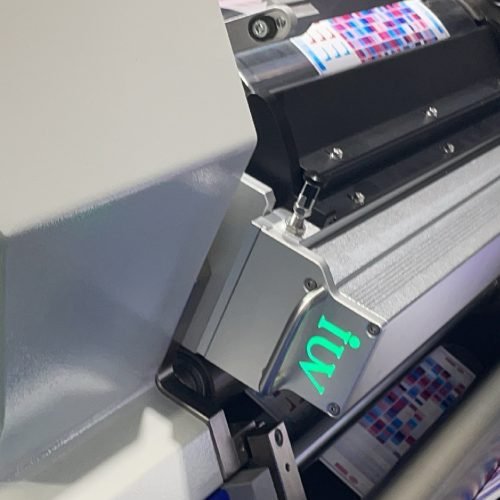
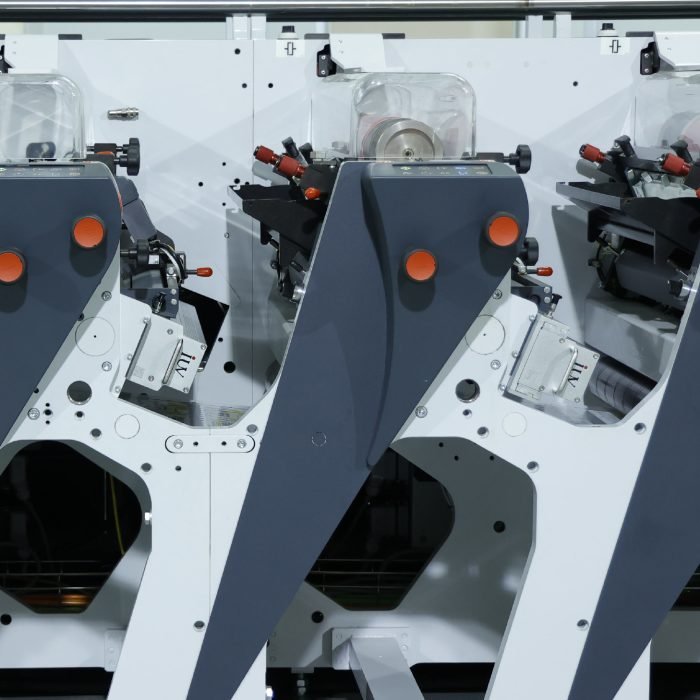
The printing industry is constantly seeking advancements to improve efficiency, quality, and sustainability. One of the most significant leaps forward in recent years has been the integration of LED UV curing technology. This innovation has moved beyond simple UV lamps to sophisticated, sensor-based systems that are fundamentally changing how we approach printing processes. This evolution is particularly impactful in sectors like label printing, flexographic printing, offset printing, and narrow web printing, where precision and speed are paramount.
The Shift from Traditional UV to LED UV Curing
For decades, traditional mercury vapor UV lamps were the standard for UV curing. These lamps emit UV light across a broad spectrum, including heat and ozone. While effective, they come with several drawbacks. They consume significant amounts of energy, have a shorter lifespan, require frequent replacement, and their inconsistent output can lead to curing variations. The heat generated can also be a problem, especially with heat-sensitive substrates common in label and narrow web printing.
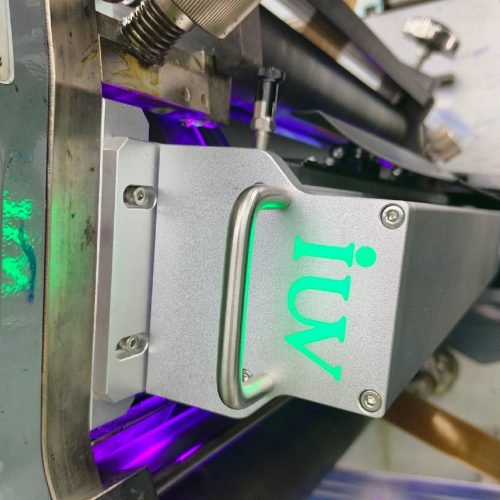
LED UV curing systems offer a compelling alternative. They emit UV light within a very narrow wavelength band, precisely matched to the specific photoinitiators in UV inks and coatings. This targeted approach results in more efficient energy transfer, less heat generation, and a significantly longer operational life. The environmental benefits are also substantial, with reduced energy consumption and no ozone production.
The Role of Sensors in Modern LED UV Systems
The true “next evolution” comes with the integration of smart sensors into LED UV curing systems. These sensors go beyond simply turning the lamps on and off. They actively monitor and adjust critical parameters in real-time, ensuring optimal curing performance under a wide range of conditions.
Think of it like a chef meticulously controlling the heat and time for a perfect dish. Without sensors, a curing system is like a cook guessing the oven temperature. With smart sensors, it’s like having a precise thermometer and timer, ensuring consistent results every single time.
Enhancing Label Printing with Smart LED UV Curing
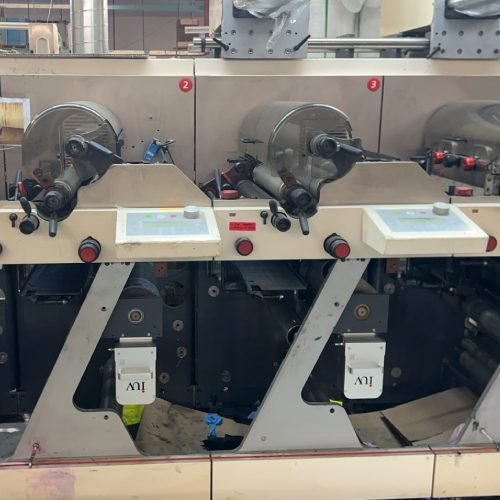
Label printing, especially narrow web flexographic and offset printing, demands high quality and fast turnaround times. Substrates can range from delicate films to textured papers, each requiring specific curing conditions.
Smart LED UV systems equipped with sensors can detect variations in substrate speed, ink laydown, and ambient temperature. For instance, if the ink coverage is heavier in one area, the sensors can signal the LED emitters to increase their output or adjust the exposure time in that specific zone. This prevents under-curing, which leads to smudging and poor adhesion, and over-curing, which can cause substrate damage or brittleness.
The precision offered by sensor-based LED UV is invaluable for labels requiring special finishes like spot varnishes or metallic effects. Consistent, thorough curing ensures these elements remain vibrant and intact, contributing to the overall aesthetic appeal and brand integrity. Reduced heat also means a wider choice of substrates can be used without distortion.
Optimizing Flexographic and Offset Printing with Intelligent Curing
In both flexographic and offset printing, especially for packaging and commercial applications, consistent ink and coating performance is critical. Traditional UV curing often struggled with achieving uniform cure across large print areas or when running at high speeds.
Intelligent LED UV systems with integrated sensors address this by providing dynamic control. Sensors can monitor the position and speed of the substrate. If the web speed fluctuates even slightly, the system can automatically adjust the UV output to maintain the correct energy dosage for each section of the print. This eliminates common issues like “ghosting” or incomplete curing on fast-moving presses.
Furthermore, sensors can detect if an LED emitter is beginning to degrade or if a particular zone is not performing optimally. The system can then compensate by adjusting power to adjacent emitters or flag the issue for maintenance. This proactive monitoring significantly reduces downtime and waste associated with faulty curing.
Benefits Across Narrow Web Printing Applications
Narrow web printing, a category that encompasses labels and flexible packaging, often involves intricate designs and multiple printing stations. Each station might apply different inks, varnishes, or adhesives, each with its own curing requirements.
Smart LED UV systems equipped with sensors allow for tailored curing at each station. A sensor can confirm the presence and thickness of ink or coating before activating the LEDs, preventing unnecessary energy expenditure when no ink is present. It can also ensure that the specific wavelength and intensity are precisely matched to the photoinitiators used at that particular station. This level of granular control is revolutionary for achieving complex multi-layer print effects and ensuring the functional properties of the printed product.
Key Advantages of Smart, Sensor-Based LED UV Systems
The integration of sensors with LED UV curing technology brings a multitude of tangible benefits:
- Enhanced Curing Consistency: Real-time monitoring and adjustment by sensors ensure uniform curing across the entire print, regardless of speed variations, ink density, or environmental changes. This directly translates to higher print quality and fewer defects.
- Improved Energy Efficiency: Sensors can ensure that UV energy is only applied when and where it is needed, optimizing power consumption. This is a significant cost-saving measure and contributes to a more sustainable printing operation.
- Reduced Waste and Downtime: By preventing under-curing and over-curing, these systems minimize spoilage. Proactive fault detection and system adjustments reduce unexpected breakdowns and the need for manual intervention.
- Substrate Versatility: The lower heat output of LED UV, coupled with precise control, allows printers to safely cure on a wider range of heat-sensitive substrates, opening up new product possibilities.
- Process Control and Data Logging: Sensor data can be logged and analyzed, providing valuable insights into the printing process. This data can be used for quality control, troubleshooting, and process optimization.
- Faster Production Speeds: The precise and efficient curing achieved with these systems often allows for increased press speeds without compromising quality, boosting overall productivity.
Future Outlook: The Ubiquity of Intelligent Curing
The trend towards smart, sensor-based LED UV curing systems is undeniable. As the technology matures and sensor capabilities expand, we can expect even more sophisticated integration into printing workflows. This will likely include predictive maintenance, AI-driven process optimization, and even tighter integration with other press control systems.
For printers in the label, flexographic, offset, and narrow web sectors, embracing this evolution is not just about adopting new technology; it’s about securing a competitive edge. It’s about achieving higher quality, greater efficiency, and a more sustainable future for their operations. The “smart” in these systems isn’t just a buzzword; it represents a fundamental shift towards intelligent automation that will redefine printing excellence.