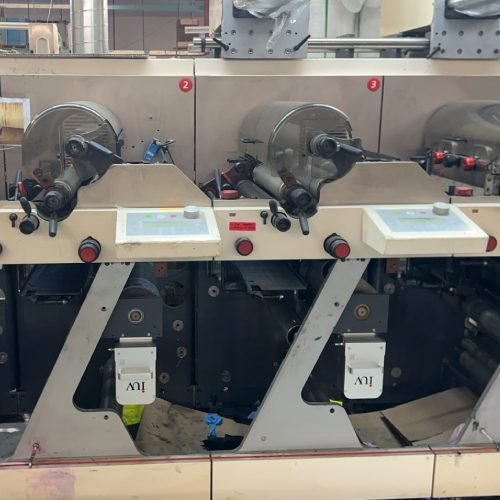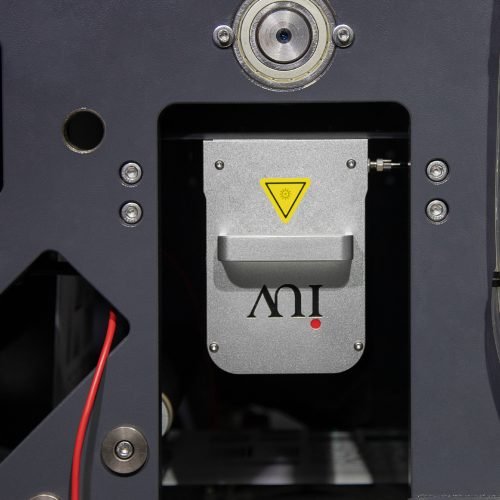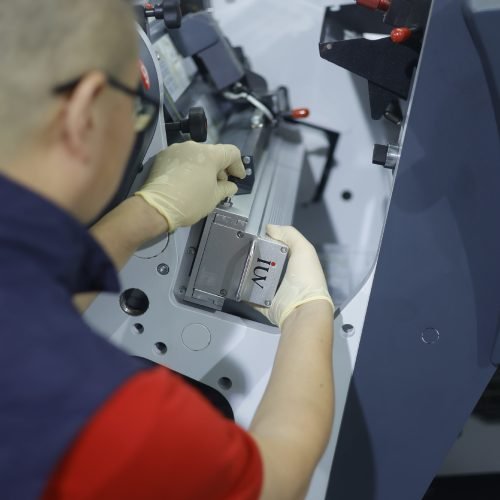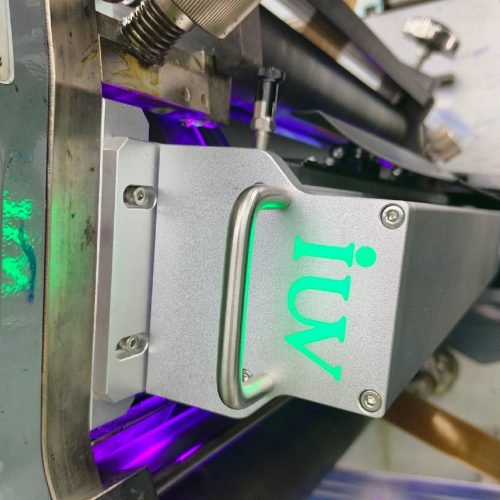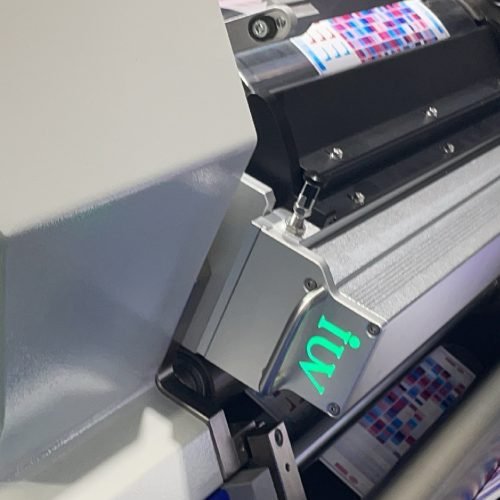
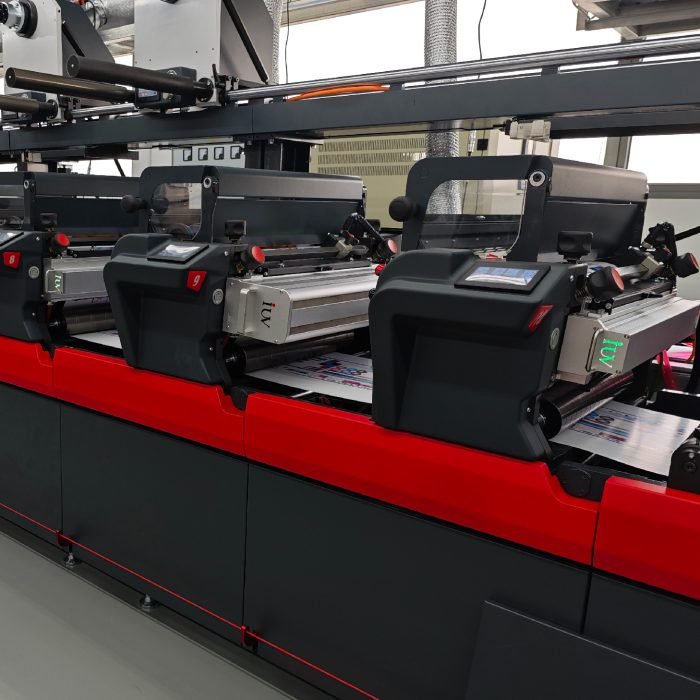
The way inks interact with LED UV curing systems is a critical factor for success. Achieving optimal results depends heavily on how the ink’s components are chosen and combined. This relationship directly impacts production speed, print quality, and overall operational costs. Understanding these connections helps printers fine-tune their processes for maximum efficiency.
Understanding LED UV Curing Technology
LED UV curing utilizes specific wavelengths of ultraviolet light to initiate a rapid photochemical reaction. This reaction transforms liquid ink into a solid, durable film. Unlike traditional mercury vapor lamps, LED UV systems offer several advantages. They provide a more consistent light output, generate less heat, and have a longer lifespan. They also operate at specific, narrower wavelength bands, which are precisely matched to photoinitiators within the ink.
The Role of Ink Formulation
Ink formulation is the art and science of blending various components to create a printable ink. For UV curable inks, key ingredients include monomers, oligomers, photoinitiators, pigments, and additives. Each plays a distinct role in the ink’s performance during printing and its subsequent curing process.
Monomers and oligomers form the backbone of the ink. They are the reactive components that polymerize under UV light. Their viscosity, reactivity, and the final properties of the cured film are determined by their chemical structure. Pigments provide color. Their particle size and dispersion are crucial for opacity and color strength. Additives are used in small amounts to modify properties like adhesion, slip, or scratch resistance.
Photoinitiators: The Trigger for Curing
Photoinitiators are perhaps the most vital component in UV curable inks. These molecules absorb UV light energy. This absorption triggers a chemical reaction that generates free radicals or cations. These reactive species then initiate the polymerization of monomers and oligomers, effectively curing the ink.
The choice of photoinitiator is directly linked to the LED UV lamp’s output. Different photoinitiators are sensitive to different wavelengths of UV light. For LED curing, photoinitiators that absorb strongly in the specific wavelength range emitted by the LEDs are essential. Common LED wavelengths include 365 nm, 385 nm, 395 nm, and 405 nm.
Matching Ink to LED Wavelengths
When using LED UV curing, the ink formulation must be carefully selected to match the LED lamp’s specific output. If the photoinitiator in the ink does not efficiently absorb the light emitted by the LEDs, curing will be incomplete. This leads to several problems. The ink might remain tacky, leading to smudging and poor rub resistance. Poor adhesion to the substrate can also occur.
Printers using narrow web presses for label and packaging applications often encounter diverse substrate materials. The ink must not only cure efficiently but also adhere well to these varied surfaces. This often requires specific photoinitiator packages and monomer/oligomer blends tailored for different substrates like paper, various plastics (PE, PP, PET), and even some foils.
Pigment Effects on Curing Efficiency
Pigments, while essential for color, can significantly influence UV curing efficiency. Pigment particles can scatter and absorb UV light. This absorption and scattering reduce the amount of UV energy that reaches the photoinitiators. Darker and more opaque pigments, such as carbon black or certain organic pigments, are more prone to absorbing UV light.
This means that inks with high pigment loads or those using highly absorbing pigments may require higher UV dosages or more powerful LED lamps. Alternatively, formulators can use photoinitiators that are less affected by pigment absorption or employ specialized additive packages to enhance light penetration. In some cases, using a higher concentration of photoinitiator can compensate for light scattering.
Monomer and Oligomer Selection
The choice of monomers and oligomers also plays a role in curing speed and efficiency. Reactive diluents, which are typically low-viscosity monomers, are used to reduce the ink’s viscosity for better printability. However, some monomers are more reactive than others. Highly reactive monomers polymerize faster, contributing to quicker curing.
Oligomers, on the other hand, contribute to the film’s properties like flexibility, hardness, and chemical resistance. The viscosity of the oligomer also affects the overall ink viscosity. Balancing reactivity with desired cured film properties is a key challenge for ink formulators. For narrow web applications where high speeds are common, selecting monomers and oligomers that promote rapid polymerization is advantageous.
Optimizing Ink for Flexographic and Offset Printing
In flexographic printing, inks are typically of lower viscosity and designed to transfer efficiently through anilox rolls. For LED UV curing in flexo, the ink must flow well and cure rapidly on a wide range of substrates, including self-adhesive labels. The challenge here is ensuring complete cure without compromising on print definition.
Offset printing, especially in narrow web applications, often involves thicker ink films. This can make UV curing more challenging, as the UV light needs to penetrate a greater ink layer. The formulation needs to ensure that the photoinitiators deep within the ink film receive sufficient UV energy. This might involve using photoinitiators with higher absorption coefficients or employing energy-efficient oligomer systems.
The Importance of Energy Input
The efficiency of LED UV curing is a direct function of the energy delivered to the ink. This energy is a product of the lamp’s intensity (irradiance) and the exposure time. While faster press speeds are desirable, they reduce exposure time. To maintain adequate curing at higher speeds, the LED lamps must provide higher irradiance.
However, simply increasing irradiance isn’t always the solution. The ink formulation must be capable of absorbing this higher energy and initiating polymerization effectively. An ink with poorly chosen photoinitiators or one that scatters light excessively will not benefit proportionally from increased lamp power. A well-formulated ink works in synergy with the LED system.
Challenges and Solutions in Narrow Web Printing
Narrow web printing, common in label and packaging, presents unique challenges. Presses often run at high speeds, requiring inks that cure almost instantaneously. Substrate variety is vast, from thin films to textured papers, demanding excellent adhesion.
To address these issues, ink manufacturers are developing advanced UV ink systems. These include low-migration inks for food packaging, requiring careful selection of photoinitiators and monomers to avoid transferring to the product. High-performance formulations are also available that offer superior scratch and chemical resistance for durable labels.
Conclusion: A Symbiotic Relationship
The relationship between ink formulation and LED UV curing efficiency is truly symbiotic. For printers in the narrow web, flexographic, and offset sectors, understanding this interplay is paramount. By selecting inks with photoinitiators precisely matched to their LED UV systems, and considering the impact of pigments and reactive components, printers can achieve faster cure speeds, higher print quality, and improved operational throughput. This knowledge empowers them to optimize their processes and stay competitive in a demanding market.