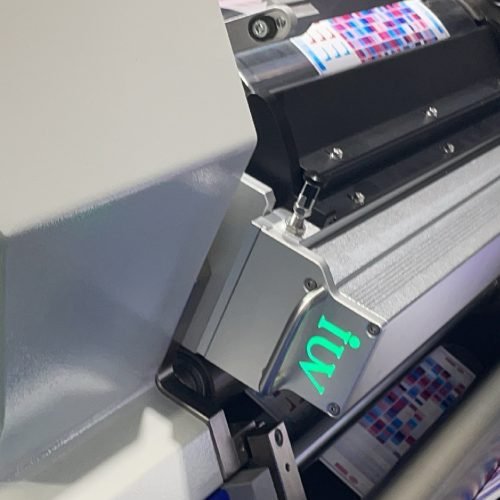
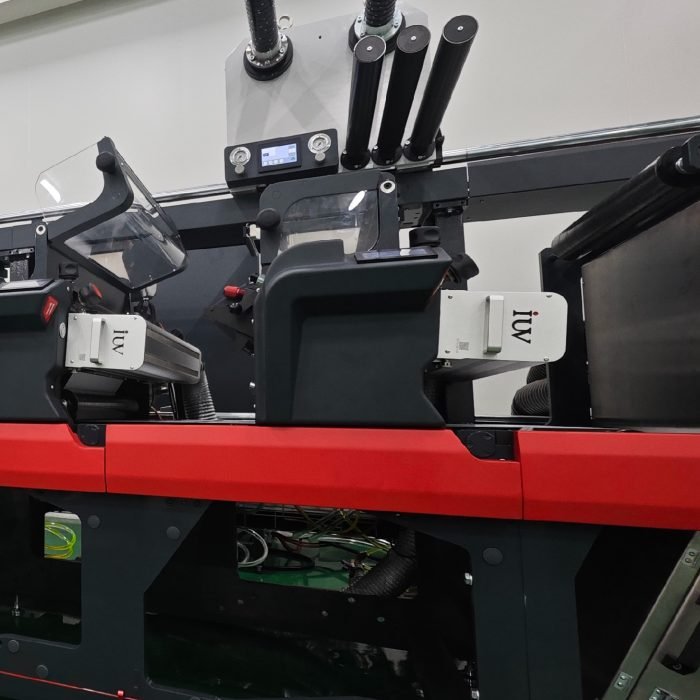
In the modern printing industry, achieving high-quality finishing effects is crucial for producing visually appealing products that stand out in the market. Whether it’s high-gloss finishes that make colors pop or matte finishes for a more sophisticated, subtle effect, the technology used to achieve these results plays a significant role. One such technological advancement is LED UV curing, which has revolutionized the way prints are processed in various printing techniques, including flexography, letterpress, and narrow-web printing. This article delves into the importance of LED UV curing in high-gloss and matte finishing applications, exploring its benefits and how it influences the final product quality.
Understanding LED UV Curing Technology
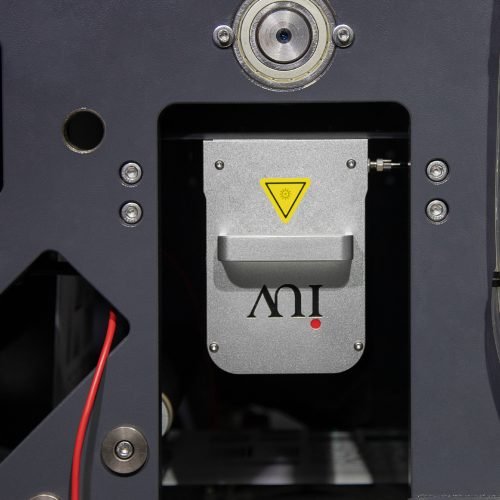
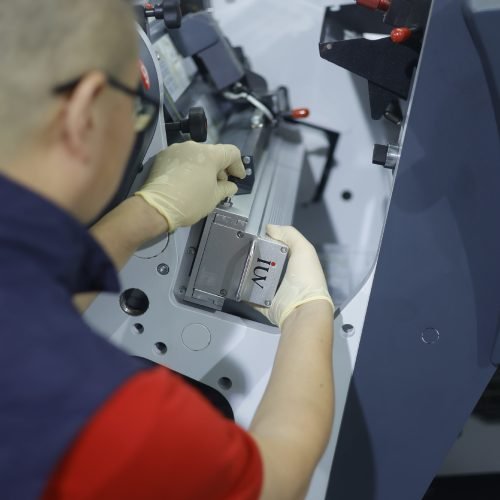
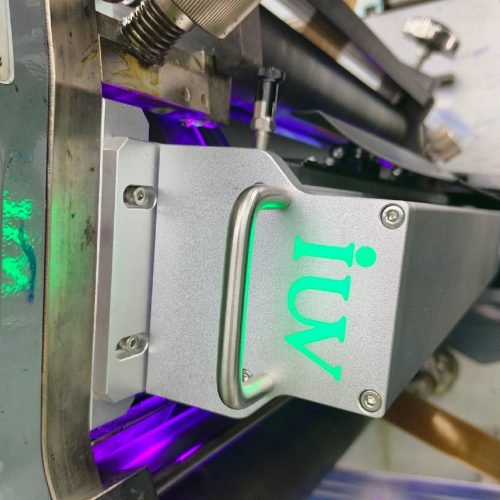
LED UV curing involves the use of ultraviolet (UV) light emitted by LEDs (Light Emitting Diodes) to cure inks, coatings, and varnishes rapidly. Unlike traditional UV lamps, LED UV systems use lower energy levels, which results in lower heat generation and more efficient energy usage. This makes LED UV technology ideal for use in high-speed printing processes.
LED UV curing offers several advantages over conventional UV curing, such as reduced energy consumption, longer lamp life, and the ability to cure a wide range of substrates without causing damage. As a result, it has become a popular choice in the printing industry, particularly in high-end finishing applications like high-gloss and matte finishes.
High-Gloss Finishing with LED UV Curing
High-gloss finishes are highly sought after in various printing sectors, especially for products like packaging, brochures, and high-quality commercial prints. These finishes make colors appear more vibrant and help create a reflective surface that enhances the visual appeal of the printed material.
The role of LED UV curing in achieving high-gloss finishes cannot be overstated. LED UV systems cure coatings and inks faster and more efficiently than traditional methods, helping preserve the desired gloss level while also improving durability. The rapid curing process ensures that the gloss coating maintains its smooth and shiny surface without becoming affected by environmental factors such as heat or humidity.
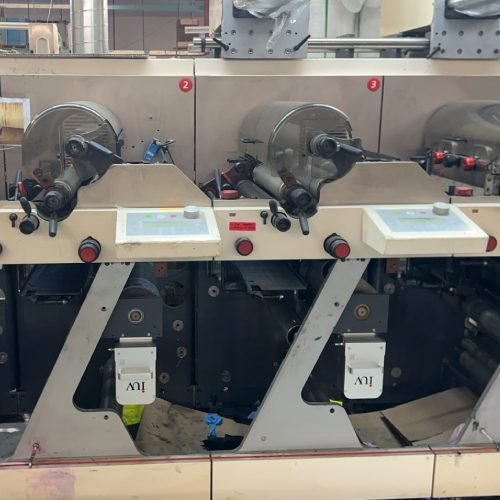
In flexographic printing, which is widely used for packaging and label printing, LED UV curing is particularly beneficial. It allows for precise control over the curing process, ensuring uniform gloss across the entire surface of the print. Additionally, LED UV inks are available in a broad range of formulations that are compatible with various substrates, from paper to plastics, giving printers flexibility in their production processes.
Matte Finishing with LED UV Curing
On the other side of the spectrum, matte finishes are equally important in many applications, such as business cards, book covers, and high-end retail packaging. Matte finishes give prints a sophisticated, muted look that appeals to customers seeking a more understated aesthetic. However, achieving a consistent, high-quality matte finish can be challenging.
LED UV curing plays a pivotal role in producing matte finishes by offering superior control over the curing process. The key difference between matte and glossy finishes lies in the way the coating is applied and cured. With matte coatings, the goal is to avoid the reflective shine typically associated with high-gloss finishes, while still providing durability and protection.
LED UV curing systems allow printers to control the intensity of the UV light, making it possible to cure matte finishes effectively. By adjusting the curing time and intensity, printers can achieve a non-reflective, smooth matte finish that resists smudging, scratching, and fading. This control is especially beneficial in flexographic and letterpress printing, where achieving a consistent matte effect can be more complex than gloss finishes.
Energy Efficiency and Environmental Benefits
One of the standout advantages of LED UV curing is its energy efficiency. Traditional UV curing systems require high-intensity mercury vapor lamps, which consume significant amounts of energy and generate excess heat. In contrast, LED UV lamps consume far less power, extending lamp life and reducing heat generation.
This reduction in energy consumption is not only beneficial from a cost-saving perspective but also contributes to a more sustainable printing process. LED UV curing systems have a longer lifespan compared to traditional UV lamps, meaning they need to be replaced less frequently. This results in fewer maintenance requirements and less waste generated by the printing process, making LED UV curing a more environmentally friendly option.
Furthermore, because LED UV curing systems emit less heat, they can be used on a wider variety of substrates, including heat-sensitive materials like films and thin papers. This expands the possibilities for high-gloss and matte finishing applications, making it easier to work with a range of different products without risking damage to the material.
Enhanced Productivity and Faster Turnaround Times
In the world of printing, time is money, and efficient processes are essential for staying competitive. LED UV curing significantly improves production speed and reduces turnaround times. The rapid curing process means that prints can be handled immediately after leaving the press, eliminating the need for extended drying times associated with conventional printing methods.
This is particularly important in high-volume production environments, where quick turnaround times are essential for meeting tight deadlines. In narrow-web printing, for example, where speed and precision are crucial, LED UV curing enables printers to produce high-quality, high-gloss, and matte finished products at much faster speeds.
Moreover, LED UV technology allows for better control over the curing process, ensuring that there is no over-curing or under-curing of the ink or coating. This consistency results in a higher quality finish and reduces the likelihood of defects that could slow down production or necessitate reprints.
Versatility Across Various Printing Techniques
LED UV curing is not restricted to any single printing method. It is versatile and can be effectively integrated into various printing processes, including flexographic, offset, letterpress, and narrow-web printing. In each of these methods, LED UV curing provides superior quality and finish.
In flexographic printing, where precision and speed are crucial, LED UV curing allows printers to maintain the high speeds of the press while achieving a consistent finish. The ability to cure coatings instantly also reduces the risk of smudging, ensuring that high-gloss or matte finishes are maintained without the risk of damage during handling.
In offset and letterpress printing, LED UV curing provides the flexibility to achieve high-quality finishes on a variety of substrates, including non-porous materials. This is particularly beneficial for packaging applications, where durability and finish quality are essential.
Conclusion
LED UV curing has transformed the way printers approach high-gloss and matte finishing applications. Its energy efficiency, fast curing times, and versatility across different printing techniques make it an ideal choice for achieving high-quality finishes. Whether it’s creating a stunning high-gloss finish for a commercial brochure or a refined matte finish for a luxury packaging design, LED UV curing provides the tools necessary to meet the demands of the modern printing industry.
As the printing industry continues to evolve, LED UV technology will likely remain at the forefront, offering sustainable, efficient, and high-quality solutions for a variety of printing needs. By understanding its role in high-gloss and matte finishing applications, printers can better optimize their processes, reduce costs, and enhance the final product quality.