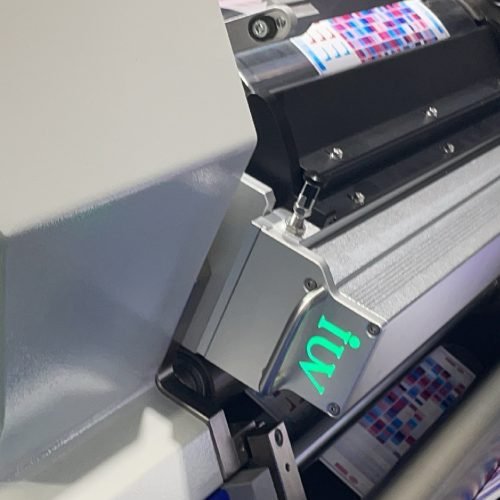
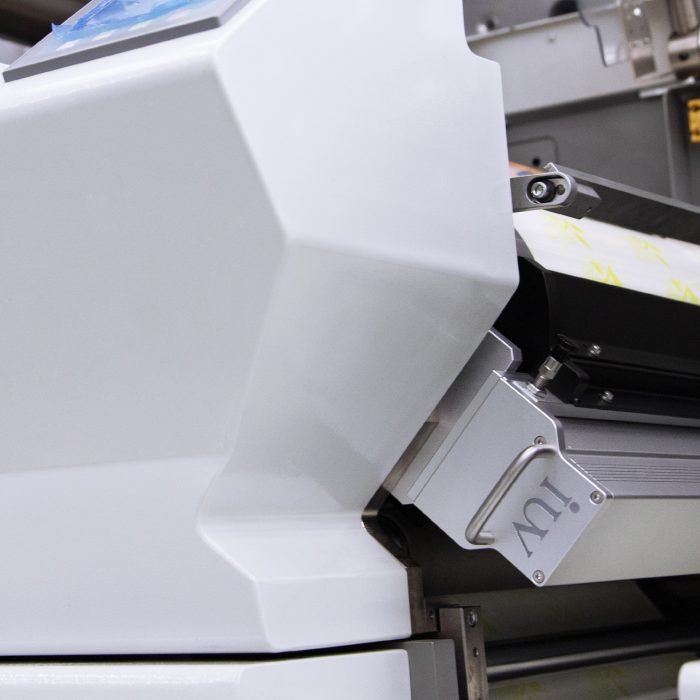
In the competitive landscape of label and packaging printing, achieving consistent and vibrant color reproduction on challenging substrates like films and foils is paramount. These materials, with their smooth, non-porous surfaces, present unique hurdles for traditional printing methods. Achieving sharp, saturated colors that remain true from the first print to the last demands advanced solutions. This is where the sophisticated technology of LED UV curing systems steps into the spotlight, offering unparalleled benefits for color stability.
The demand for visually striking and durable labels and packaging continues to grow. Brands are increasingly leveraging the power of color to communicate their identity and attract consumer attention. Films and foils, offering a premium look and feel, are often the substrate of choice for high-value products. However, their inherent properties can lead to ink adhesion issues, poor scratch resistance, and, critically, color shifting or fading, especially when exposed to light or environmental factors.
The Challenge of Substrates: Films and Foils
Printing on films and foils presents distinct challenges. Unlike absorbent paper, these materials do not readily soak up ink. This means the ink must cure rapidly and form a robust layer on the surface. Traditional thermal curing methods can be slow and energy-intensive, potentially affecting the dimensional stability of heat-sensitive films. Furthermore, achieving a high gloss finish, often desired on these substrates, requires a smooth, well-formed ink layer.
Color stability is not merely about the initial vibrancy. It’s about the longevity of that color. Factors such as light exposure (UV radiation), heat, humidity, and even abrasion can degrade conventional inks, leading to fading, yellowing, or shifts in hue. This compromises the brand’s visual integrity and can negatively impact consumer perception. For narrow web printers, who often handle short to medium runs with quick turnaround times, efficient and reliable curing is essential for maintaining workflow and quality.
Understanding UV Curing Technology
UV curing, or ultraviolet curing, is a photochemical process that uses high-intensity ultraviolet light to initiate a rapid polymerization reaction. This process transforms liquid inks, coatings, or adhesives into a solid, durable film almost instantaneously. The speed and efficiency of UV curing make it an ideal solution for high-speed printing presses, including those used in narrow web, flexographic, and offset printing applications.
Traditionally, mercury vapor lamps have been the workhorse for UV curing. These lamps emit a broad spectrum of UV light, which effectively cures inks. However, mercury lamps have drawbacks. They generate significant heat, consume a considerable amount of energy, and have a finite lifespan, requiring frequent replacement. The broad spectrum also means they emit UV-A, UV-B, and UV-C radiation, some of which can be harmful and contribute to substrate degradation or yellowing over time.
Enter LED UV Curing: A Paradigm Shift
Light Emitting Diode (LED) UV curing systems represent a significant advancement. Instead of relying on a bulb, LEDs are semiconductor devices that emit light when an electric current passes through them. This fundamental difference unlocks a host of advantages, particularly for applications demanding precise color control and substrate integrity.
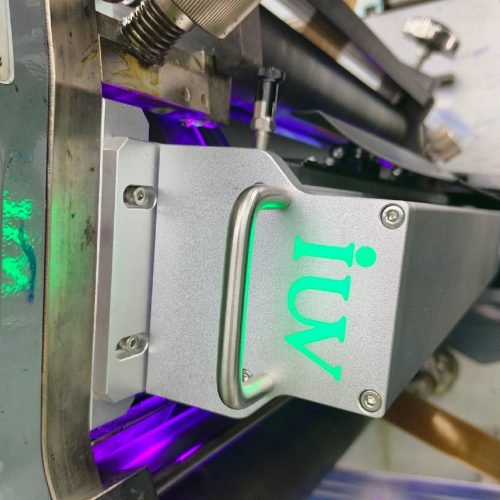
LED UV systems emit a highly specific wavelength of UV light, typically in the UV-A spectrum (365 nm, 395 nm, or 405 nm). This targeted emission is a game-changer for color stability. Because they operate within a narrow, controlled spectrum, they minimize the risk of damaging or yellowing sensitive substrates like clear films or metallic foils. This precise control ensures that the ink cures effectively without causing unwanted photochemical reactions that can alter the ink’s original color.
The Impact on Color Stability on Films and Foils
The advantages of LED UV curing directly translate into enhanced color stability for printed films and foils. Here’s how:
- Precise Wavelength Emission: As mentioned, LED systems emit specific wavelengths. This means the energy is delivered precisely where it’s needed to initiate the curing of UV-reactive inks and coatings. This targeted approach avoids over-exposure and unwanted degradation of pigments and the substrate itself. The result is a truer, more consistent color reproduction that resists fading over time.
- Reduced Heat Generation: Compared to traditional mercury lamps, LED UV systems generate significantly less heat. This is crucial for printing on heat-sensitive plastic films. Excessive heat can cause films to warp, shrink, or lose their clarity, all of which can distort the appearance of printed colors. Lower heat output ensures the substrate remains dimensionally stable, preserving the integrity of the printed image and its color.
- Instantaneous and Complete Cure: LED UV curing provides an instantaneous and thorough cure. This rapid solidification of the ink layer prevents migration or “outgassing” of solvents or monomers that can occur with slower curing methods. Such migration can lead to surface tackiness, scuffing, and ultimately, a dulling of the printed color. A complete cure locks the pigments into place, ensuring their inherent color properties are maintained.
- Superior Adhesion: The intense, focused UV energy from LEDs promotes excellent adhesion of inks to challenging substrates like PET, PP, and BOPP films, as well as various foil stocks. Strong adhesion means the ink film is less likely to peel, crack, or delaminate, all of which can lead to color loss or alteration. A well-adhered ink layer preserves the vibrancy and depth of the printed color.
- Consistency and Repeatability: LED UV systems offer remarkable consistency. Their output is stable over their lifespan, and they reach full power almost immediately upon activation. This high degree of repeatability is vital for brand color management. Printers can be confident that a color matched on one day will be reproduced identically on subsequent print runs, even weeks or months apart, especially on films and foils where color drift is a common concern.
- Chemical Resistance: The highly cross-linked polymer network formed by LED UV curing results in printed films with excellent resistance to chemicals, abrasion, and scratching. This robust finish protects the printed colors from external damage, ensuring they remain as vibrant as they were on day one.
Applications in Narrow Web, Flexo, and Offset Printing
The benefits of LED UV curing are particularly pronounced in high-volume, high-speed printing environments like narrow web, flexographic, and offset printing, where films and foils are frequently used.
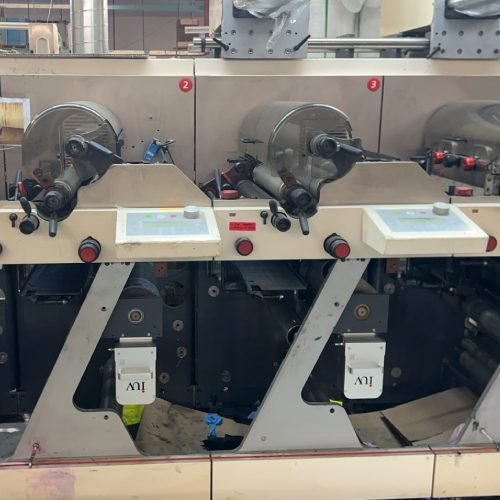
Narrow Web Printing: For label printers operating on narrow web presses, the speed and efficiency of LED UV curing are essential. The ability to print and cure instantly allows for immediate handling and rewinding of printed webs, boosting productivity. The consistent color achieved on clear films or metallized foils is critical for brand owners who rely on precise color matching for their products.
Flexographic Printing: Flexography is a dominant force in flexible packaging and label printing. LED UV curing is increasingly being adopted in flexo presses to achieve sharp, vibrant prints on films. This technology enables the printing of fine details and gradients on flexible materials, with the assurance that the colors will remain stable and resistant to the stresses of product filling and consumer handling.
Offset Printing (Sheet-fed and Web-fed): While traditionally more associated with paper, offset printing is also employed for a variety of film and foil applications, especially for higher-end packaging. LED UV curing in offset presses allows for rapid drying of inks on these non-absorbent surfaces, eliminating the need for anti-set powders that can affect print quality and gloss. The enhanced color stability ensures that premium packaging maintains its visual appeal throughout its lifecycle.
Economic and Environmental Advantages
Beyond color stability, LED UV curing systems bring significant economic and environmental benefits.
- Reduced Energy Consumption: LEDs are highly energy-efficient, consuming up to 70-80% less energy than traditional mercury lamp systems. This translates into substantial cost savings on electricity bills.
- Lower Maintenance Costs: LEDs have a much longer operational lifespan (20,000-30,000 hours) compared to mercury lamps (500-1,500 hours). This dramatically reduces the frequency of lamp replacements and associated downtime and labor costs.
- Environmentally Friendly: LEDs do not contain mercury, making them a more environmentally responsible choice. The reduced energy consumption also contributes to a smaller carbon footprint.
- Improved Working Environment: The absence of ozone generation and reduced heat output create a safer and more comfortable working environment for press operators.
Conclusion: A Brighter Future for Color on Films and Foils
The integration of LED UV curing systems marks a pivotal moment in the printing industry’s ability to achieve superior color stability on films and foils. For narrow web, flexographic, and offset printers, this technology offers a compelling solution to the challenges posed by non-absorbent substrates. By providing precise wavelength control, reduced heat output, and instantaneous, robust curing, LED UV systems ensure that colors remain true, vibrant, and resilient. This not only enhances the aesthetic appeal of labels and packaging but also strengthens brand integrity and consumer trust. As the demand for visually impactful and durable printed products on films and foils continues to rise, LED UV curing stands out as an indispensable technology for achieving excellence in color reproduction and long-term performance.