Understanding UV Curing Technology in Label Production
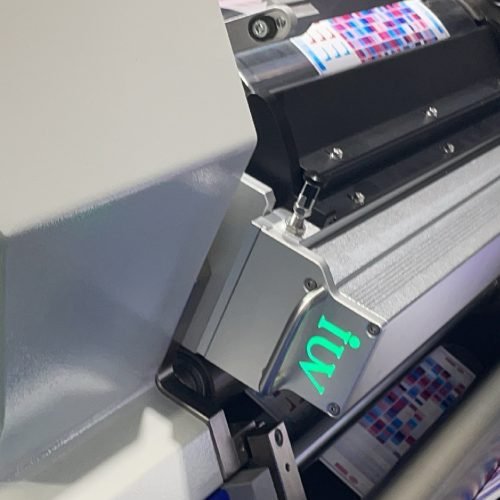
UV curing systems have transformed label printing by accelerating production cycles and enhancing print quality. Unlike traditional drying methods, UV curing uses ultraviolet light to instantly harden inks, coatings, and adhesives. This process eliminates waiting times for solvent evaporation, making it ideal for high-speed narrow-web presses. By integrating LED UV technology, printers achieve energy efficiency, reduced heat output, and longer lamp life—critical factors for cost-sensitive operations.
Flexographic Printing: Speed Meets Precision
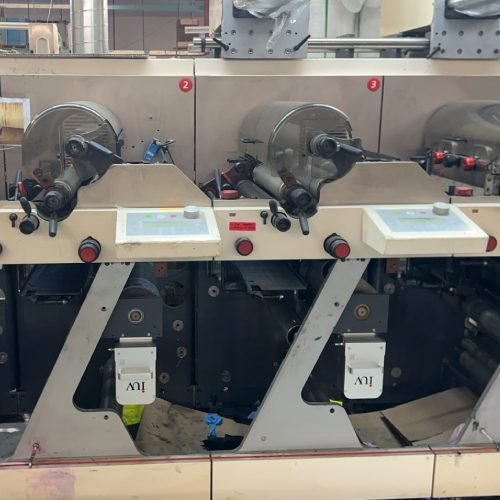
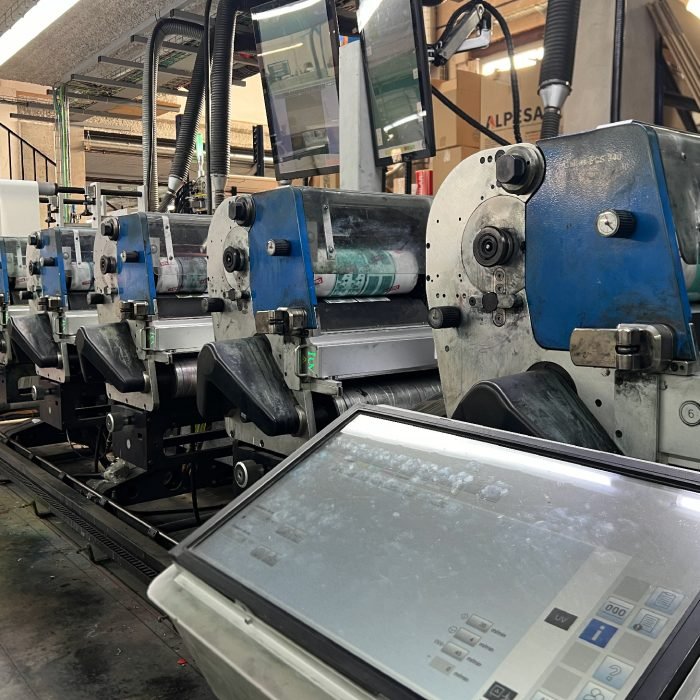
Flexographic printing dominates label manufacturing due to its versatility with substrates like film, paper, and metallized materials. UV curing complements flexo presses by enabling finer detail reproduction and vibrant color saturation. Traditional solvent-based inks require extended drying periods, limiting throughput. With UV-curable inks, printers achieve immediate curing, reducing waste from smudging or misregistration. LED UV systems further optimize flexo processes by operating at lower temperatures, minimizing substrate distortion on heat-sensitive materials such as thin films.
Offset Printing’s Evolution with UV Systems
Offset printing, known for sharp imagery and consistency, faces challenges in label applications due to longer drying times. UV curing bridges this gap by allowing instant ink fixation, even on non-porous substrates like synthetic labels. Cold UV curing—enabled by LEDs—prevents paper warping and expands compatibility with temperature-sensitive stocks. This advancement supports hybrid printing setups, combining offset’s precision with digital UV finishing for variable data labels. The result? Faster turnaround for premium products like wine labels or cosmetic packaging.
Narrow-Web Printing: Where UV Shines
Narrow-web presses specialize in short to medium label runs, often requiring quick job changeovers. UV curing systems excel here by eliminating drying tunnels, saving floor space, and reducing energy consumption. LED UV lamps, with instant on/off capabilities, align with just-in-time production needs. Additionally, UV-curable coatings provide scratch resistance and gloss effects without secondary processes. For industries like pharmaceuticals or food packaging, UV systems ensure compliance with safety standards by producing non-toxic, fully cured prints.
Energy Efficiency and Sustainability Benefits
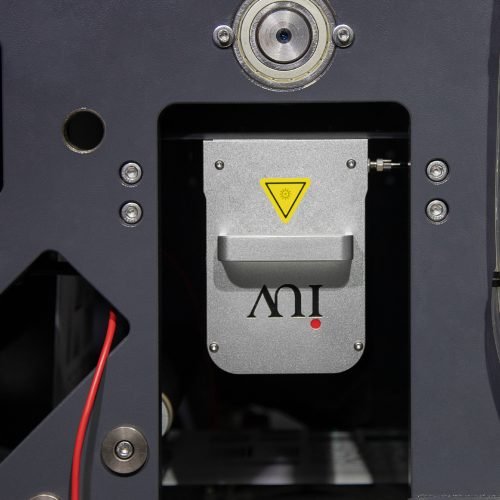
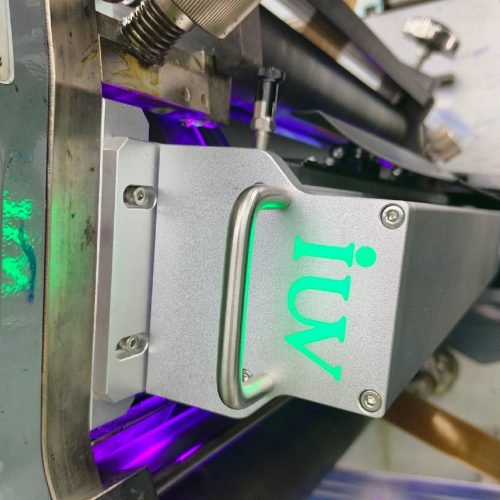
LED UV technology cuts power consumption by up to 70% compared to conventional mercury-vapor lamps. Its directional light output minimizes energy waste, while the absence of ozone generation improves workplace safety. UV-curable materials contain fewer volatile organic compounds (VOCs), aligning with global environmental regulations. Printers adopting UV systems reduce their carbon footprint and qualify for eco-certifications—a growing market differentiator.
Overcoming Substrate Limitations
UV curing expands substrate options beyond traditional paper labels. Films, metallic foils, and textured materials withstand UV processes without curling or degradation. This flexibility caters to luxury branding and durable industrial labels. For instance, polypropylene labels cured with UV resist moisture and abrasion in automotive applications. Testing compatibility remains essential: some pigmented inks or thick coatings may require adjusted light intensities for full curing.
Maintenance and Cost Considerations
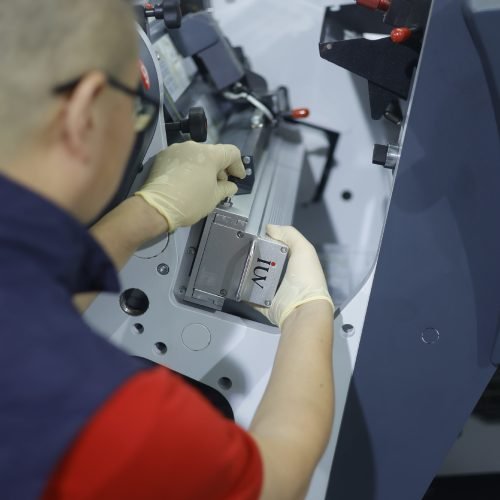
While UV systems reduce downtime from drying, they demand regular maintenance. Reflectors and lenses must stay clean to ensure consistent light intensity. LED UV units, though pricier upfront, offer lower long-term costs due to minimal part replacements and energy savings. Operators should monitor lamp intensity with radiometers to prevent under-curing. Training staff on UV safety protocols—like shielding against UV exposure—is non-negotiable for risk-free operations.
Future Trends in UV Curing for Labels
Advancements in UV-LED wavelengths promise compatibility with a broader ink spectrum, including challenging white and opaque colors. Hybrid systems combining UV with electron beam (EB) curing are emerging for ultra-thick coatings. As brands demand shorter runs and personalized labels, UV technology’s instant curing will remain pivotal. Innovations in photoinitiator chemistry aim to enhance adhesion on recycled substrates, supporting circular economy goals.
Practical Tips for Implementing UV Systems
- Conduct substrate trials to optimize ink and light settings.
- Partner with suppliers offering tailored UV solutions for your press type.
- Invest in adjustable LED arrays to handle diverse label geometries.
- Train operators on UV safety and troubleshooting curing defects.
- Monitor industry regulations for updates on material compliance.
By integrating UV curing, label converters unlock faster production, superior print quality, and entry into niche markets. Staying updated on technological advancements ensures long-term competitiveness in the dynamic printing landscape.