Enhanced Production Speed in Label Printing
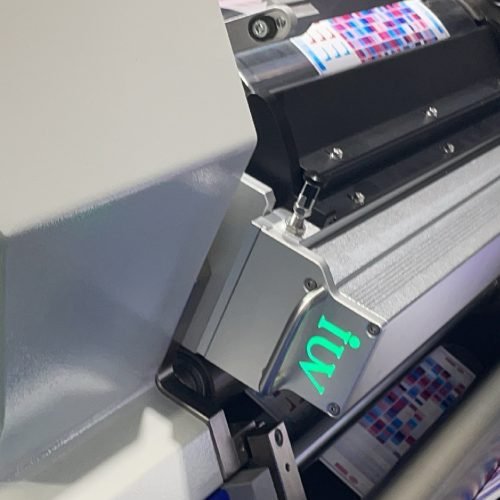
UV curing systems revolutionize label printing by accelerating production cycles. Traditional solvent-based inks require extended drying periods, creating bottlenecks. UV technology instantly solidifies inks and coatings upon exposure to LED light, eliminating wait times. This rapid curing allows continuous high-speed printing, ideal for meeting tight deadlines in industries like pharmaceuticals and cosmetics. Labels emerge ready for cutting, stacking, or packaging—no post-drying needed.
Superior Print Quality for Flexographic Applications
Flexographic printers benefit from UV curing’s precision. The instant curing mechanism prevents ink from spreading on flexible substrates like films or foils. This results in sharper dots, cleaner lines, and vibrant color reproduction. Unlike conventional drying methods that cause ink absorption into materials, UV curing locks pigments on the surface. The outcome? Enhanced opacity and gloss for packaging that stands out on retail shelves.
Reduced Energy Consumption in Offset Printing
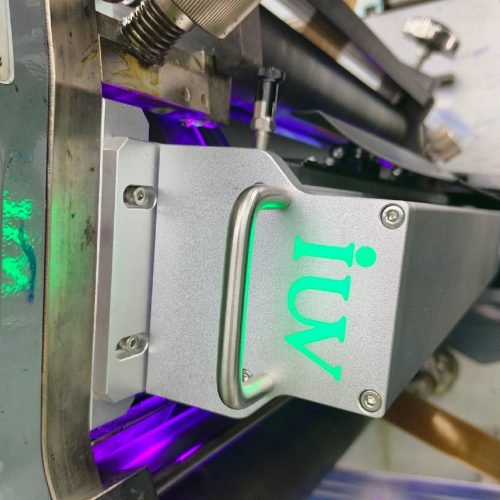
Offset printers adopting UV systems see significant energy savings. LED UV lamps consume 70% less power than mercury-vapor bulbs and generate minimal heat. This eliminates the need for extensive cooling systems in sheetfed presses. Additionally, UV-curable inks contain no volatile solvents, reducing ventilation requirements. The combined effect lowers operational costs while supporting sustainability goals—a critical advantage in today’s eco-conscious market.
Expanded Substrate Compatibility
From rigid plastics to heat-sensitive films, UV curing handles materials traditional inks struggle with. Narrow web printers particularly gain flexibility—delicate substrates like synthetic labels or shrink sleeves remain undamaged during curing. The cold-cure process of LED UV prevents warping or discoloration in temperature-sensitive materials, enabling printers to diversify their product offerings without equipment modifications.
Improved Scratch and Chemical Resistance
UV-cured prints exhibit exceptional durability—a game-changer for industrial labeling and outdoor applications. The cross-linked polymer structure created during curing resists abrasion, moisture, and harsh chemicals. For example, automotive part labels maintain legibility despite exposure to oils or solvents. This durability reduces returns and enhances brand credibility for clients requiring long-lasting prints.
Minimized Waste Generation
Instant curing translates to fewer rejected prints. In rotary letterpress or narrow web printing, misregistration issues become immediately apparent, allowing operators to correct settings before material waste accumulates. UV inks also remain stable on press without solvent evaporation, reducing ink viscosity fluctuations and startup waste.
Space-Efficient Design for Compact Facilities
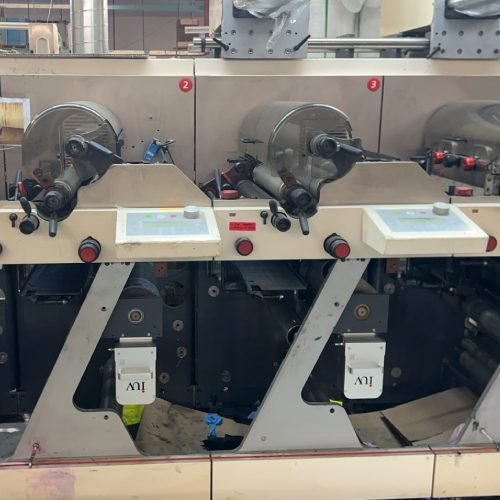
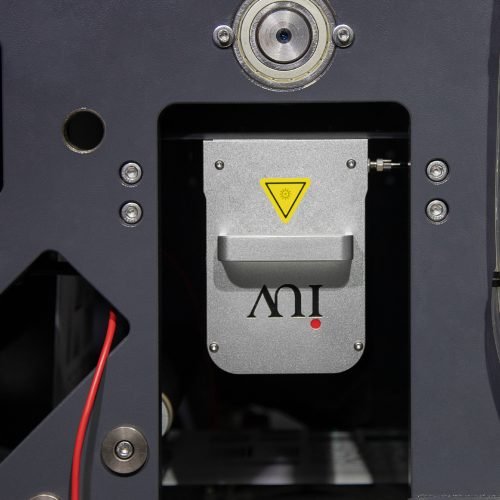
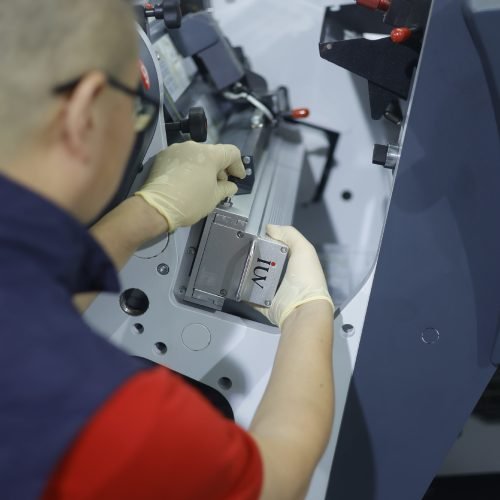
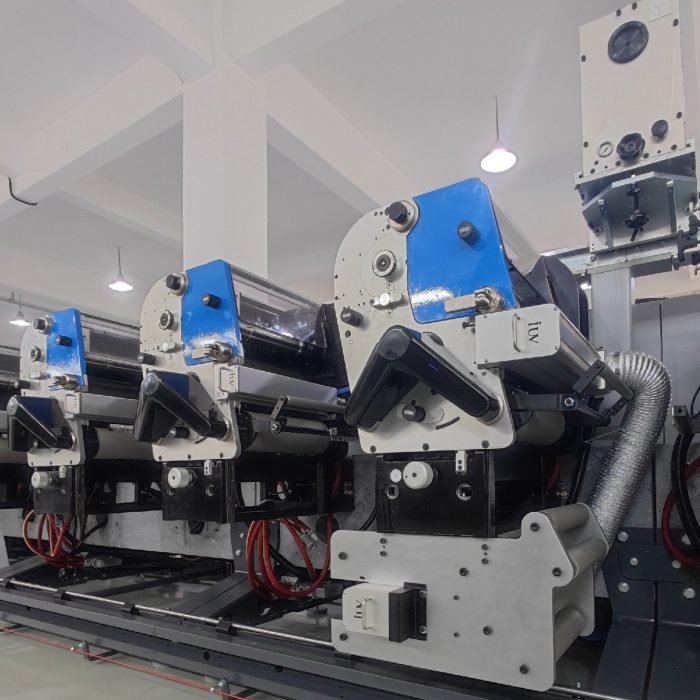
UV systems’ compact nature benefits small to mid-sized printers. Unlike bulky drying tunnels, LED UV lamps integrate directly into existing press configurations. This space-saving advantage proves crucial for narrow web and label printers operating in constrained facilities. The modular design also simplifies retrofitting older equipment with modern curing technology.
Eco-Friendly Production Processes
UV technology supports green printing initiatives. Solvent-free inks eliminate harmful VOC emissions, improving workplace air quality and reducing environmental impact. LED UV systems take this further by removing ozone-generating wavelengths present in traditional UV lamps. Many UV-curable inks now carry certifications for food-safe packaging, aligning with global regulatory standards.
24/7 Operational Readiness
Unlike conventional systems requiring warm-up periods, LED UV lamps achieve full intensity instantly. This feature enables efficient job changeovers and eliminates energy waste during idle times. For contract printers handling multiple short runs daily, this instant-on capability maximizes equipment utilization rates.
Long-Term Cost Efficiency
While initial UV system investments may appear substantial, long-term savings justify the cost. Reduced energy bills, lower maintenance requirements (no bulb replacements in LED systems), and decreased material waste contribute to rapid ROI. Additionally, UV-cured products often command premium pricing due to their superior quality and durability.
The integration of UV curing systems across label, flexo, offset, and narrow web printing represents a strategic evolution in print manufacturing. By addressing speed, quality, and sustainability challenges simultaneously, this technology empowers printers to meet evolving market demands while future-proofing their operations. As material science advances and LED UV becomes more energy-efficient, its adoption will likely become standard practice rather than optional innovation.