Energy Efficiency Reduces Operational Costs
LED curing systems consume significantly less energy than traditional mercury-vapor lamps. Unlike conventional UV systems that require continuous power to maintain intensity, LEDs activate instantly and operate at lower temperatures. This reduces energy waste by up to 70%, directly lowering electricity bills. For flexographic printers running high-volume jobs—common in label and narrow-web printing—the long-term savings are substantial. Additionally, reduced heat output minimizes the need for cooling systems, further cutting energy expenses.
Faster Production Speeds Enhance Output
Immediate on/off functionality allows LED systems to cure inks and coatings without warm-up delays. In flexo printing, where quick job changes are critical, this feature boosts productivity. LED curing works at line speeds exceeding 500 feet per minute, making it ideal for industries like packaging and label printing. Shorter curing times also enable faster turnaround for clients, a competitive advantage in markets demanding rapid order fulfillment.
Superior Print Quality with Precision Curing
LED UV technology emits a narrow spectrum of light, ensuring consistent curing across substrates. This precision eliminates issues like over-curing or under-curing, which can cause brittleness or tackiness in printed materials. For flexographic applications on delicate films or paper labels, this results in sharper graphics, vibrant colors, and enhanced durability. The controlled process also reduces dot gain, improving fine detail reproduction—a key requirement for brand-centric packaging.
Extended Lamp Life Reduces Maintenance Downtime
Traditional UV lamps last approximately 1,000–2,000 hours, requiring frequent replacements that halt production. LED curing systems offer lifespans exceeding 20,000 hours, minimizing interruptions for maintenance. This reliability is particularly valuable in continuous operations like tag and narrow-web printing, where unplanned downtime directly impacts profitability. Fewer lamp changes also reduce labor costs and waste from discarded components.
Eco-Friendly Compliance Meets Sustainability Goals
LED systems contain no mercury or ozone-emitting components, aligning with global environmental regulations. Traditional UV lamps require hazardous waste disposal protocols, increasing operational complexity. By switching to LED curing, printers reduce their environmental footprint—a growing priority for clients in sectors like food packaging and cosmetics. Additionally, UV LED inks often contain fewer volatile organic compounds (VOCs), supporting cleaner indoor air quality.
Versatility Across Substrates and Inks
LED curing accommodates heat-sensitive materials such as thin films, shrink sleeves, and pressure-sensitive labels without warping or distortion. This flexibility is critical for hybrid printing setups combining flexo and offset processes. The technology also works with a broad range of UV-curable inks, including white inks and specialty coatings, without compromising adhesion or curing performance. Printers can diversify their service offerings, catering to clients needing unique finishes or substrates.
Improved Workplace Safety for Operators
Conventional UV systems emit infrared radiation and require protective shielding to prevent skin and eye damage. LED curing generates minimal heat and operates at safer wavelengths, reducing risks of burns or radiation exposure. This creates a safer environment for pressroom staff, particularly in facilities with limited ventilation. Enhanced safety protocols also lower liability concerns and insurance costs.
Compact Design Saves Floor Space
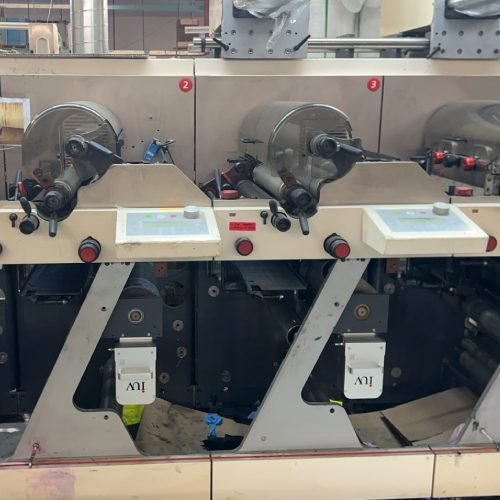
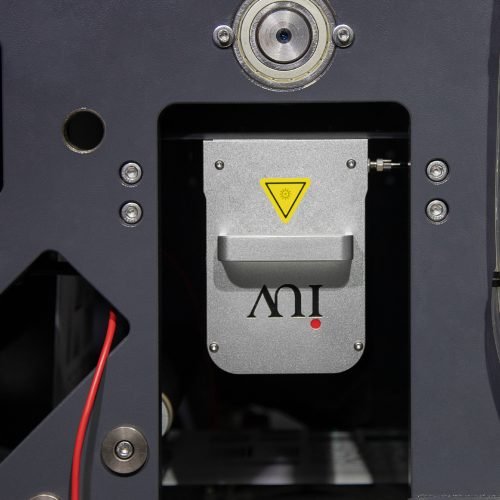
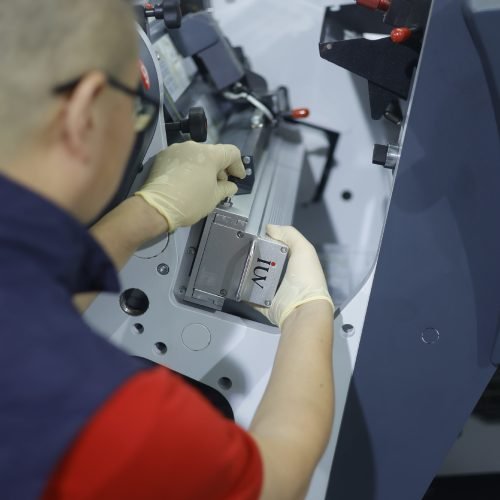
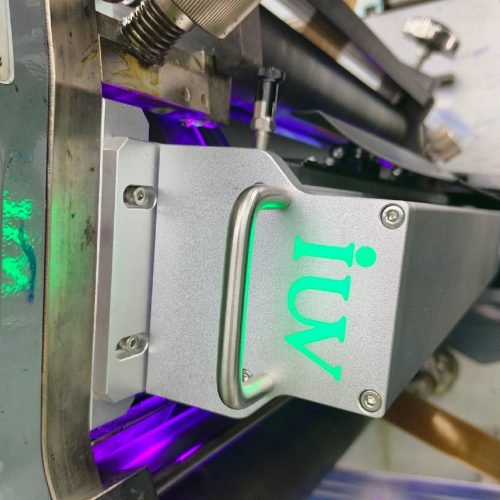
LED curing units are smaller and lighter than traditional systems, allowing integration into existing press configurations without major retrofitting. This compactness benefits narrow-web and label printers operating in space-constrained facilities. Modular designs enable easy scalability, supporting future upgrades as production demands evolve.
Reduced Ink Consumption via Efficient Curing
Instant curing prevents ink absorption into substrates, ensuring minimal pigment waste. For water-based or solvent inks, this feature improves color density and reduces ink usage by up to 30%. In flexographic printing, where precise ink control impacts profitability, LED systems optimize material costs without sacrificing print performance.
Future-Proofing with Industry 4.0 Compatibility
LED curing systems integrate seamlessly with digital workflow tools and IoT-enabled presses. Real-time monitoring of energy use, curing status, and maintenance needs aligns with smart manufacturing trends. For printers investing in automation, this compatibility ensures long-term relevance in a competitive market.
Cost-Effective Transition with Rapid ROI
While initial LED system investments may exceed traditional setups, the payback period is often under 18 months due to energy savings, reduced waste, and higher productivity. Many suppliers offer retrofitting kits for existing presses, lowering upfront costs. For flexographic printers seeking to modernize operations, LED curing delivers measurable financial returns while future-proofing their infrastructure.
Enhanced Durability for Harsh Environments
UV LED-cured prints resist fading, scratching, and chemical exposure, making them suitable for industrial labels, outdoor signage, and automotive applications. This durability reduces returns or reprints due to product damage during shipping or use.
By adopting LED curing systems, flexographic printers achieve operational efficiency, environmental compliance, and superior print quality. The technology addresses pressing industry challenges while unlocking new opportunities in packaging, labels, and specialty printing. Businesses prioritizing innovation and sustainability will find LED UV curing indispensable for maintaining a competitive edge.