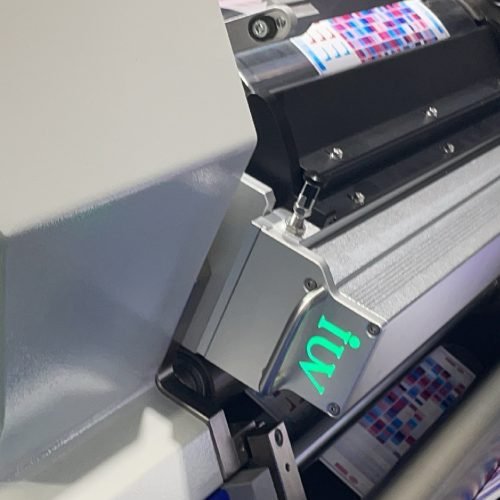
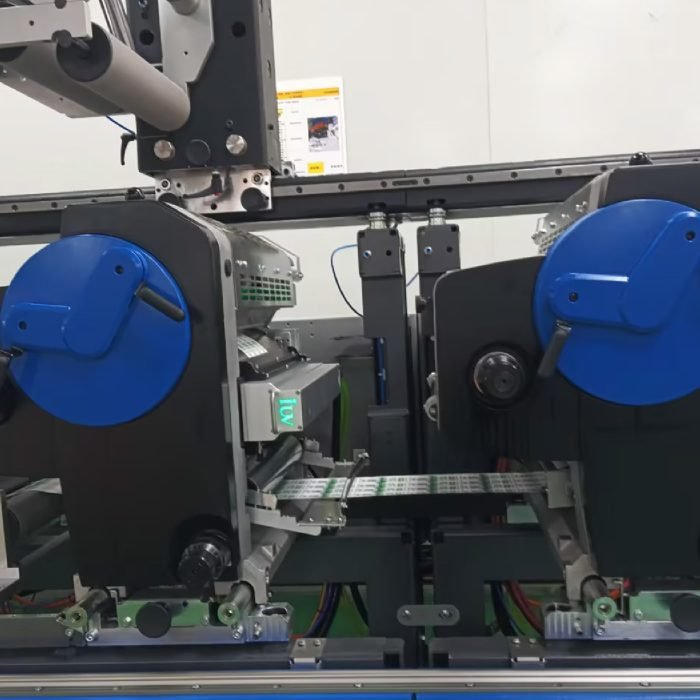
LED curing systems have revolutionized printing operations by offering energy efficiency, instant on/off capabilities, and reduced heat generation. However, even advanced UV curing technology can present challenges across label, flexo, offset, and narrow web printing applications. Let’s examine frequent operational hurdles and practical solutions for maintaining peak performance.
Inconsistent Curing Across Substrates
Uneven polymerization often appears as tacky surfaces or poor scratch resistance. For label printers using thin films, verify the LED array alignment matches web width – stray light scattering causes edge curing defects. In flexo printing on porous materials, test multiple UV intensity settings; some paper stocks require 10-15% lower irradiance to prevent fiber damage while achieving full cure. Narrow web operators should monitor lens cleanliness – a single fingerprint can create shadow areas reducing effective irradiance by 40%.
Adhesion Failures Post-Curing
When UV-cured inks peel during die-cutting or lamination, check three factors: spectral mismatch, surface energy, and inhibition. LED systems emit specific wavelengths (typically 365-405nm). Confirm photoinitiators in coatings match your system’s peak output. Run a simple test: apply adhesive tape to cured ink, rub firmly, and peel. If material transfers, consider adding 2-3% tertiary amine synergists to combat oxygen inhibition. For polyolefin labels, plasma treatment pre-curing increases surface energy from 32 dynes/cm to 48 , enabling proper wetting.
Yellowing of White Inks/Overprint Varnishes
Thermal degradation sometimes mimics curing defects. Measure substrate temperature immediately after curing using IR thermometers. If exceeding 65°C (149°F), adjust pulse settings or install heat sinks. Formulation adjustments help: titanium dioxide grades with silica coatings reduce UV absorption, while benzophenone-free photoinitiator packages minimize discoloration. Sheetfed offset printers should verify reflector cleanliness – dust accumulation scatters UV light, forcing operators to increase exposure times unnecessarily.
Web Wrinkling Near Curing Zones
Tension control becomes critical when curing heatsensitive films. Install temperature-stabilized rollers before and after the LED chamber. For polyester labels running above 50m/min, consider nitrogen inerting systems – they allow 20% lower irradiance settings while maintaining cure speed, reducing thermal expansion. Narrow web operators report success with chilled drum systems that maintain substrate at 25°C during curing.
Diminished LED Output Over Time
All LED arrays degrade, but proper maintenance extends lifespan. Track irradiance monthly with radiometers – a 15% drop signals lens cleaning or diode replacement. Water-cooled systems require quarterly checks for mineral deposits; a 1mm scale layer can reduce heat transfer efficiency by 60%. Air-cooled units need compressed air blasts (max 30psi) through heat sink fins weekly. Keep spare emitter modules for quick swaps during job changeovers.
Interference with RFID/NFC Tags
UHF RFID inlays near curing chambers may experience read failures. This stems from UV light’s electromagnetic noise, not thermal effects. Solutions include installing Faraday cages around curing zones or switching to HF (13.56MHz) tags less susceptible to interference. For smart labels requiring post-printing encoding, schedule curing as the final step after programming.
Moisture-Related Curing Defects
High humidity causes fisheyes in water-based UV hybrids. Pressroom climate control should maintain 45-55% RH. If condensation forms on substrates pre-curing, install IR preheaters set to 40°C before the LED array. Silica gel desiccant cartridges in air supply lines prevent moisture ingress in nitrogen-purged systems.
Retrofit Challenges
Converting mercury vapor systems to LED requires more than lamp replacement. Existing reflectors may not focus LED point sources effectively. Test with retroreflective materials – light patterns should show ≤10% irradiance variation across web width. Electrical upgrades are often necessary; 380V systems handle LED arrays better than 220V setups, reducing voltage drop across long press lines.
Regular maintenance protocols prevent 80% of LED curing issues. Keep detailed logs of irradiance measurements, emitter hours, and substrate-specific settings. Partner with ink suppliers to reformulate for your system’s spectral output – customized photoinitiator blends can increase cure speed by 30% without hardware changes. For persistent problems, spectral radiometers identify exact wavelength deficiencies, while pyroelectric detectors verify actual cure depth rather than surface hardness alone.
Implementing these targeted solutions maintains productivity across printing processes. Document adjustments systematically – what works for UV coatings on shrink sleeves may differ radically from cure requirements for metallic offset inks. Stay proactive in component monitoring and collaborate closely with material suppliers to address formulation challenges.