Enhancing Packaging Print Quality with Advanced UV Curing Systems
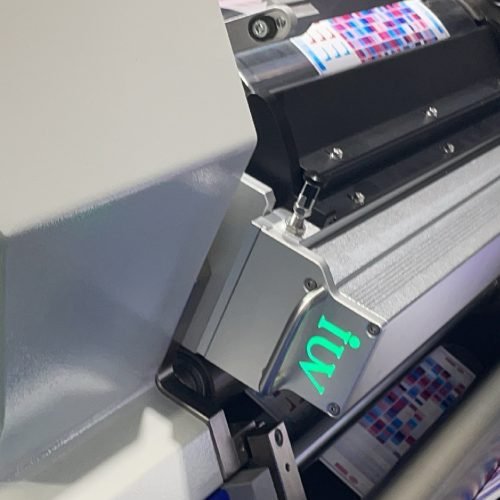
Modern packaging demands versatility. Brands seek solutions that adapt to diverse materials while maintaining high-speed production and crisp print quality. UV curing systems have emerged as a cornerstone technology, enabling printers to achieve precise results across substrates like film, metalized paper, and recyclable plastics.
Label Printing: Precision Meets Speed
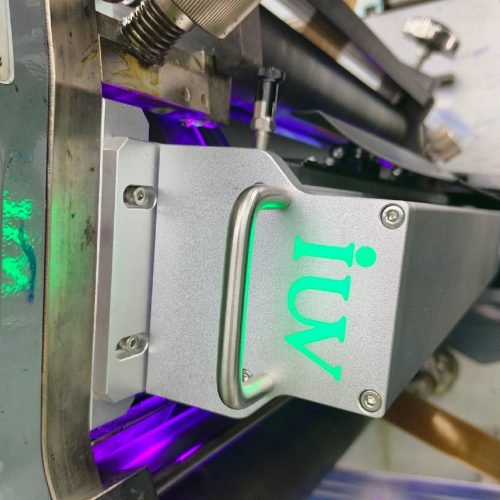
Label converters face tight deadlines and complex designs. UV curing accelerates ink drying, eliminating bottlenecks in workflows. Unlike traditional drying methods, LED-UV systems instantly cure inks and coatings, reducing substrate warping—a critical advantage for pressure-sensitive labels on heat-sensitive materials.
The ability to print on synthetic substrates (e.g., BOPP, PET) without compromising adhesion is vital. UV-curable inks bond tightly to non-porous surfaces, ensuring barcode legibility and resistance to abrasion during logistics. For wine labels or cosmetic packaging, this technology preserves metallic finishes and vibrant Pantone colors even under UV light exposure.
Flexographic Printing: Adapting to Evolving Substrates
Flexo dominates high-volume packaging runs, but substrate diversity challenges conventional drying. LED-UV curing allows printers to switch between paperboard, thin films, and eco-friendly materials (e.g., compostable PLA) without adjusting dryer temperatures. This flexibility reduces waste during job changeovers.
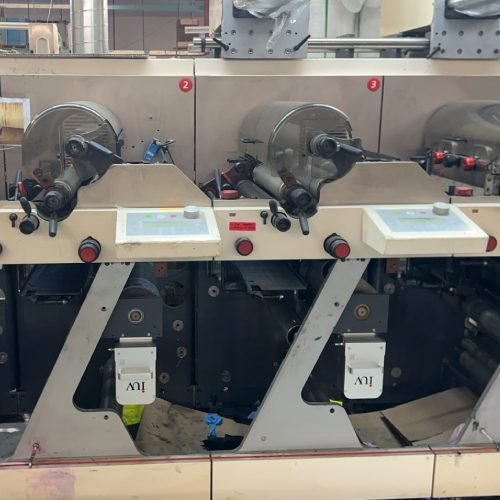
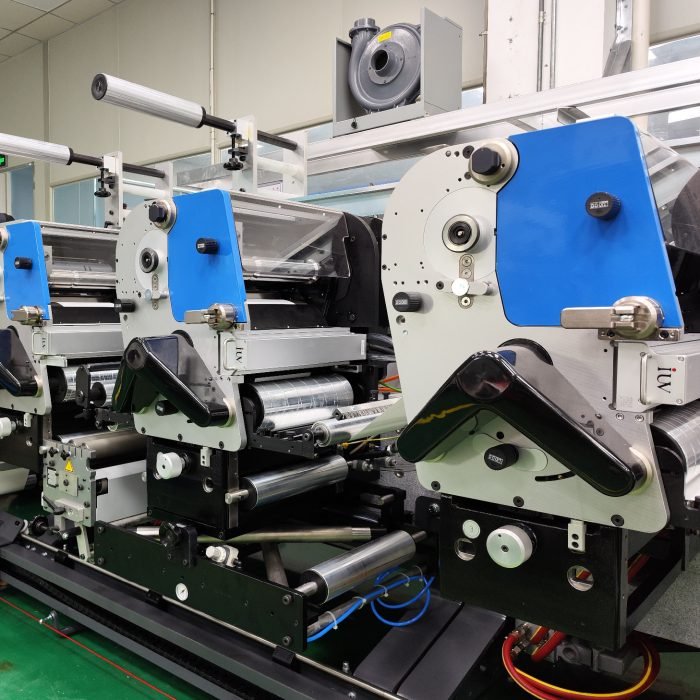
Narrow-web flexo presses benefit significantly. By integrating UV curing units after each print station, converters achieve sharper dots and smoother gradients. The immediate curing prevents ink spreading on absorbent substrates like kraft paper, enhancing line art clarity for organic product packaging.
Offset Lithography: Consistency Across Complex Jobs
Sheetfed offset remains popular for premium cartons and sleeves. UV curing mitigates issues like set-off during stacking, especially when printing on coated boards or textured substrates. Hybrid systems combining UV and conventional inks enable unique effects—matte varnishes over glossy areas, or tactile coatings for luxury branding.
LED-UV’s low heat output is a game-changer for thin materials. Unlike mercury-vapor lamps, LEDs prevent paper curling, critical for folding cartons. Printers can also adopt cold foil stamping, bonding metallic foils to UV-cured adhesives without thermal distortion.
Narrow Web Printing: Where Innovation Thrives
Narrow-web presses handle everything from flexible packaging to shrink sleeves. UV curing’s compact footprint suits these space-sensitive setups. Rotary or semi-rotary UV systems synchronize with press speeds up to 200 m/min, curing inks on heat-sensitive films (e.g., PE, PVC) without melting or shrinking.
White inks pose a common challenge due to opacity requirements. UV systems achieve full coverage in a single pass, even on transparent substrates. This efficiency is invaluable for backlit displays or translucent beverage labels requiring consistent whites.
Substrate Flexibility: Beyond Conventional Materials
UV curing unlocks opportunities in sustainable packaging. Water-based coatings often struggle with recycled fibers, but UV alternatives penetrate uneven surfaces, sealing pores without compromising recyclability. Bio-based substrates like mushroom mycelium or algae-based films also benefit, as UV curing avoids heat-induced brittleness.
Metallicized substrates demand careful handling. UV inks adhere firmly to aluminum-coated surfaces, resisting delamination during die-cutting. For retort pouches, UV-cured layers withstand sterilization cycles without yellowing, ensuring label durability in autoclave environments.
Choosing the Right UV Curing System
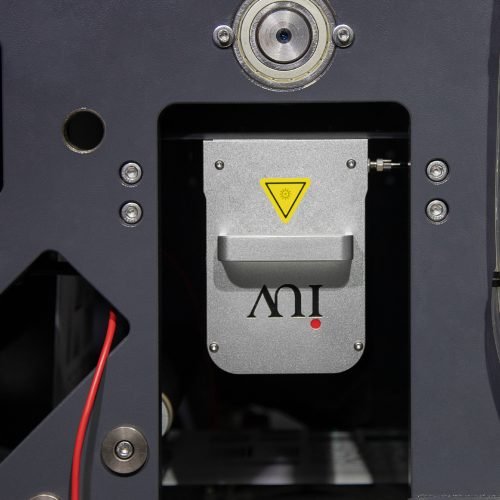
Wavelength compatibility is critical. Ensure UV lamps match the photoinitiators in inks—365–405 nm LEDs suit most formulations. For hybrid presses, dual-wavelength systems cure both UV and EB (electron beam) coatings.
Ozone-free designs are essential for enclosed facilities. Air-cooled LED units reduce energy costs versus traditional fan-cooled models. Prioritize systems with adjustable intensity to accommodate varying substrate reflectivity; metallized papers may require lower irradiance to prevent ink cracking.
Maintenance for Long-Term Performance
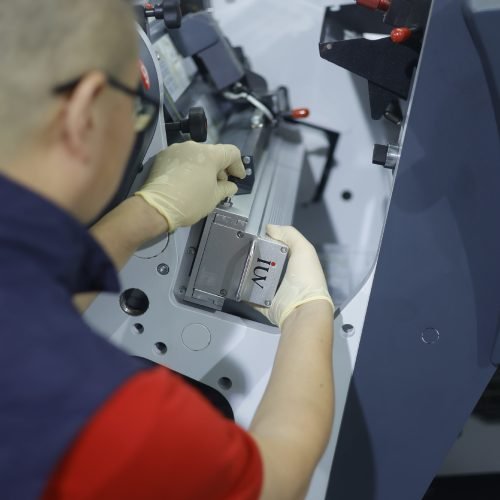
Dust accumulation on UV lenses reduces curing efficiency. Implement routine cleaning schedules using IPA-free wipes to avoid residue. Monitor lamp intensity with radiometers; LED arrays typically maintain 80% output beyond 20,000 hours.
For mercury-based systems, proper disposal protocols are mandatory. Transitioning to LED-UV eliminates mercury waste and reduces power consumption by up to 70%, aligning with corporate sustainability goals.
Future-Proofing with UV Technology
As brands prioritize eco-conscious packaging, UV systems will play a pivotal role. Advances in cationic UV inks enable curing in shadow areas, expanding 3D packaging design possibilities. Combining UV with digital printing further personalizes short runs—variable data on shrink sleeves or NFC-enabled labels becomes feasible without slowing production.
The shift toward mono-material packaging (e.g., all-PE structures) demands adhesives that bond layers seamlessly. UV-curable adhesives penetrate multilayer films, creating tamper-evident seals without compromising recyclability.
By adopting UV curing, converters future-proof operations against substrate innovations and regulatory changes. Immediate curing eliminates VOC emissions, complying with global air quality standards. As packaging evolves, UV technology remains the bridge between aesthetic demands and functional resilience.
Invest in UV curing systems that align with your substrate mix and production scale. Partner with suppliers offering tailored spectral output and modular designs, ensuring adaptability as client requirements shift. The right system doesn’t just cure inks—it cures operational inefficiencies, positioning your facility as a leader in next-gen packaging print.