Understanding UV Curing in Modern Printing
UV curing systems have transformed printing by accelerating production cycles and enhancing print quality. Unlike traditional drying methods, UV technology uses ultraviolet light to instantly cure inks, coatings, and adhesives. This process minimizes drying time, reduces energy consumption, and supports high-speed operations. For flexographic (flexo) and offset printing, UV curing offers distinct advantages—but which application delivers greater value? Let’s dissect the technical and economic factors.
Flexo Printing: Speed Meets Versatility
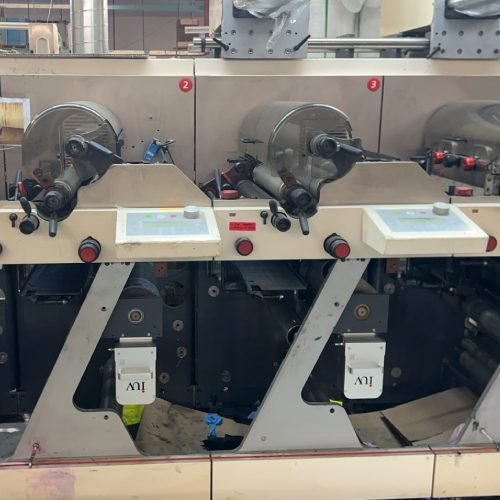
Flexo dominates label and narrow-web printing due to its adaptability with substrates like film, paper, and metallized materials. UV curing complements flexo’s fast-paced environment by enabling rapid ink fixation. LED UV systems, in particular, excel here. They generate minimal heat, preventing substrate distortion during curing—a critical advantage for heat-sensitive materials like thin films or shrink sleeves.
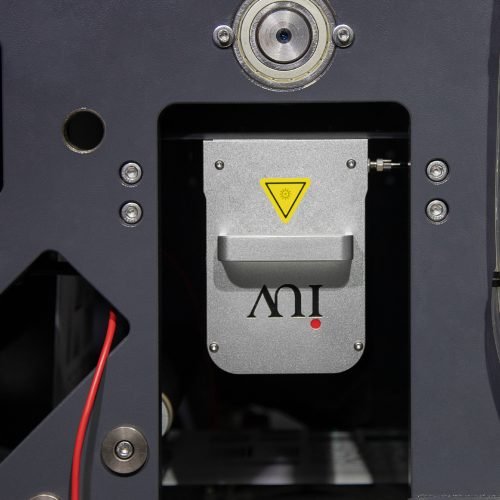
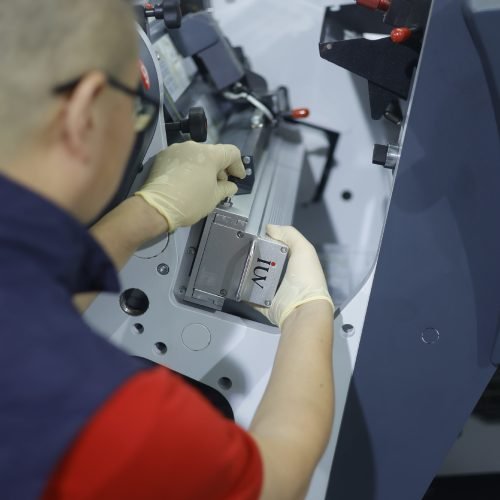
LED UV’s energy efficiency also reduces operational costs. Traditional mercury-vapor UV lamps consume more power and require frequent replacements. In contrast, LED systems last up to 20,000 hours, lowering maintenance expenses. For label printers running short to medium batches, this reliability translates to fewer downtime incidents and higher throughput.
Offset Printing: Precision for High-Volume Jobs
Offset printing thrives in high-volume commercial and packaging applications. Its strength lies in consistent image quality and color accuracy. UV curing enhances offset by eliminating drying delays between units, allowing immediate handling of printed sheets. This is vital for complex jobs requiring multiple coatings or varnishes.
However, offset’s reliance on metal plates and blanket cylinders introduces challenges. UV inks must adhere perfectly to diverse substrates without compromising dot gain or ink transfer. Hybrid systems combining UV and conventional drying methods are common here, but they increase energy use. LED UV adoption in offset is slower due to higher upfront costs, though long-term savings in energy and maintenance are compelling.
Narrow-Web Applications: Where Flexo Shines
Narrow-web printing (under 16 inches) is a flexo stronghold, especially for labels, tags, and flexible packaging. UV curing’s instant drying allows inline finishing processes like die-cutting, laminating, or embossing without separate drying stations. This integration slashes production time and floor space requirements.
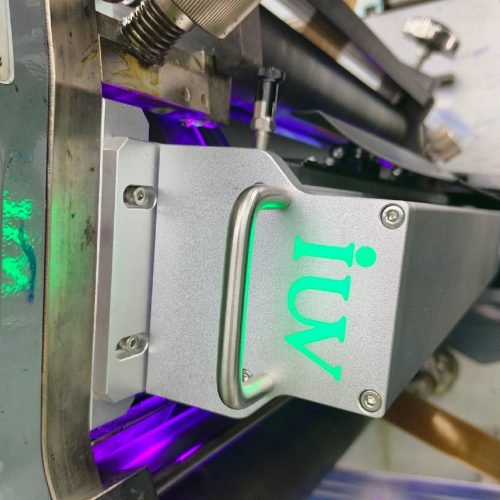
LED UV’s ability to cure thick ink layers without heat damage is another flexo advantage. Metallic or high-density inks achieve vibrant effects on labels, while cold curing preserves substrate integrity. For brands prioritizing shelf appeal, flexo with UV curing delivers unmatched decorative potential.
Energy Efficiency: LED UV vs. Conventional Systems
LED UV technology outperforms traditional mercury lamps in energy efficiency. Mercury systems waste energy through heat generation and require warm-up periods. LED units activate instantly and convert over 95% of energy into UV light. This efficiency reduces power consumption by up to 70%, a significant cost saver for high-volume printers.
Offset presses often run longer jobs, making LED UV’s energy savings more impactful over time. Flexo printers benefit similarly, especially in operations with frequent job changes. Lower heat output also reduces cooling demands, cutting HVAC costs—a hidden financial perk.
Substrate Compatibility: Flexo’s Edge
Flexo’s compatibility with non-porous substrates like polyethylene or PVC gives it an edge in packaging. UV inks bond exceptionally well to these materials, ensuring scratch and chemical resistance. Offset, while versatile, struggles with non-absorbent substrates unless specialized coatings are applied.
UV curing mitigates offset’s limitations by enabling faster adhesion on challenging surfaces. However, substrate warping from heat remains a concern with conventional UV lamps. LED systems address this, but retrofitting older offset presses with LED UV can be cost-prohibitive.
Environmental and Regulatory Factors
UV curing reduces VOC emissions compared to solvent-based inks, aligning with sustainability goals. LED UV systems amplify this benefit by eliminating ozone production from mercury lamps. Many regions now enforce stricter VOC regulations, making UV-cured flexo and offset prints more marketable.
Recycling compatibility further sways decisions. UV-cured flexo labels are easier to separate from PET containers during recycling, a growing priority for eco-conscious brands. Offset-printed materials often require deinking processes, which UV curing simplifies by enhancing ink stability.
Cost Analysis: Short-Term vs. Long-Term Gains
Flexo’s lower setup costs make it accessible for small to mid-sized printers. UV curing adds upfront expenses but pays off through reduced waste and faster turnaround. For offset, the higher initial investment in UV technology demands justification through large-scale jobs.
LED UV’s longevity tips the scales for both methods. Fewer lamp replacements and energy bills improve ROI over time. Flexo printers with diverse job portfolios see faster payback due to LED’s adaptability. Offset shops may require volume commitments to justify the switch.
Final Verdict: Context Determines Value
Flexo with UV curing excels in labels, narrow-web, and heat-sensitive applications. Its speed, substrate range, and energy efficiency make it ideal for short runs and intricate designs. Offset UV systems shine in high-volume commercial printing, offering unmatched color consistency and faster processing for complex jobs.
The choice hinges on production needs. Flexo delivers agility and cost efficiency for specialized applications, while offset provides scalability for large batches. LED UV technology elevates both methods, but its value is maximized when aligned with specific operational priorities. Evaluate substrate requirements, job volumes, and sustainability goals to determine the optimal UV curing solution.