Enhancing Label Production with Advanced UV Curing Systems
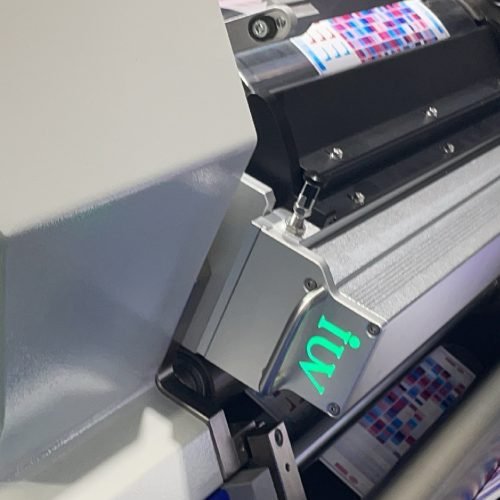
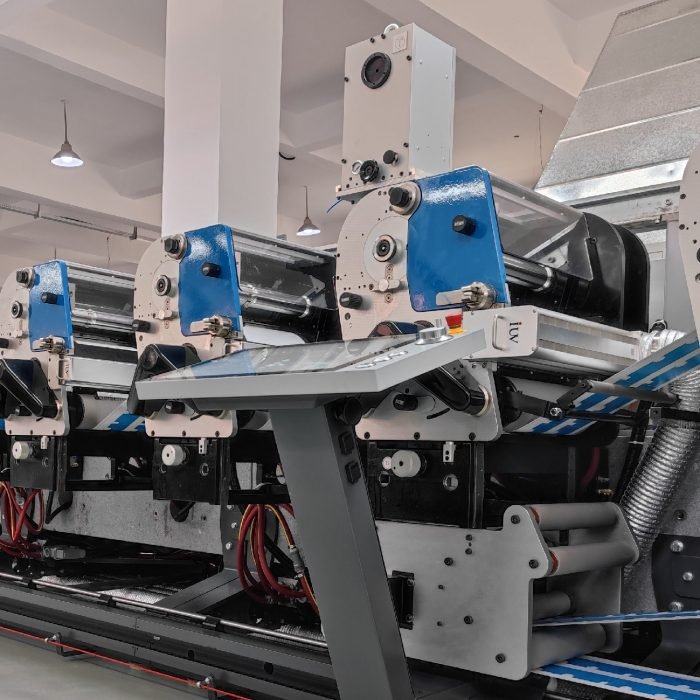
Modern label printing demands precision, speed, and durability. UV curing systems have emerged as a game-changer, particularly for high-quality labels used in industries like cosmetics, pharmaceuticals, and food packaging. By integrating LED UV technology into processes like flexography, offset, and narrow-web printing, manufacturers achieve faster production cycles, reduced energy costs, and superior print quality.
Flexographic Printing: Speed Meets Sustainability
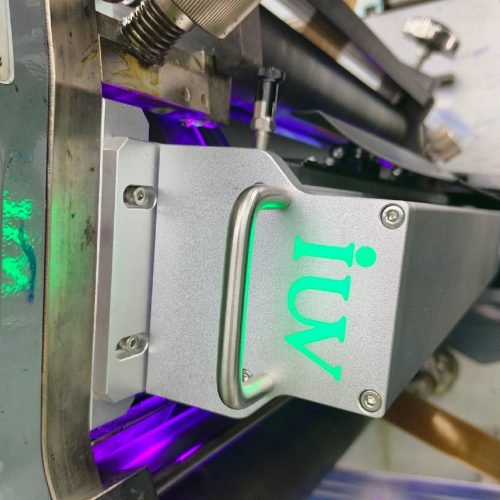
Flexo printing dominates label production due to its versatility with substrates like film, paper, and metallic foils. Traditional mercury-based UV systems often required high energy consumption and generated excess heat. LED UV curing addresses these challenges by operating at lower temperatures, minimizing substrate distortion. A case study from a European label converter revealed a 40% reduction in energy costs after switching to LED UV, alongside a 15% increase in line speed. The instant on/off capability of LED systems also eliminates warm-up delays, boosting productivity for short-run label jobs.
Offset Printing: Delivering Sharpness for Premium Labels
Offset printing remains preferred for high-detail labels requiring intricate graphics or fine text. However, conventional drying methods can cause ink offsetting or smudging on coated stocks. UV curing resolves this by instantly polymerizing inks, ensuring crisp edges and vibrant colors. A North American printer specializing in wine labels reported a 30% reduction in waste after adopting UV curing, as sheets could be handled immediately post-printing. Hybrid UV systems, combining LED and traditional UV lamps, offer flexibility for printers transitioning to newer technologies while maintaining compatibility with existing UV inks.
Narrow-Web Printing: Optimizing Space and Efficiency
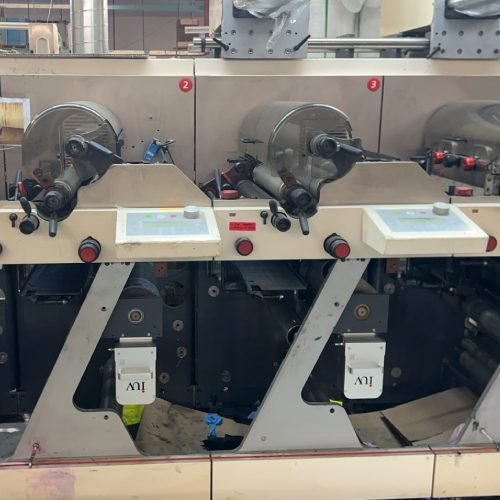
Narrow-web presses are ideal for labels requiring variable data or complex finishes. UV curing’s compact design aligns with space constraints in narrow-web setups. A case study involving a pharmaceutical label producer demonstrated how LED UV systems enabled inline cold foil stamping and embossing without additional drying stations. The reduced heat output prevented delicate substrates from warping, critical for labels applied to temperature-sensitive medical devices.
UV Ink Advantages: Beyond Faster Drying
UV-curable inks offer unmatched adhesion on non-porous materials like PET and polypropylene. Their resistance to abrasion and chemicals ensures labels remain legible in harsh environments. A beverage company transitioning to UV inks saw a 50% decrease in label defects during bottling line application. Additionally, UV formulations support thinner ink films, reducing material usage without compromising opacity—a key factor for brands prioritizing sustainability.
Energy Efficiency and Environmental Impact
LED UV systems consume up to 70% less energy than mercury-based alternatives. Unlike traditional lamps, LEDs contain no hazardous materials like mercury, simplifying disposal and compliance with regulations like RoHS. A label printer in Asia achieved carbon neutrality by pairing LED UV curing with solar energy, cutting annual CO2 emissions by 120 tons. The extended lifespan of LED lamps (15,000–20,000 hours) further lowers maintenance costs and downtime.
Troubleshooting Common UV Curing Challenges
Even advanced systems face issues like incomplete curing or ink adhesion failures. Oxygen inhibition, where air prevents full ink polymerization, can be mitigated using nitrogen inerting or formulating inks with higher photoinitiator concentrations. Regular maintenance of UV lamp reflectors and radiometers ensures consistent curing intensity. For printers using hybrid substrates, testing adhesion across batches is critical—peel tests and cross-hatch evaluations help maintain quality standards.
Future Trends: Smart Curing and Customization
The next wave of UV curing integrates IoT sensors for real-time monitoring of irradiance and temperature. Predictive maintenance algorithms alert operators to lamp degradation before failures occur. Customizable UV wavelengths are also gaining traction, allowing printers to optimize curing for specialty inks or coatings. A luxury packaging supplier recently adopted tunable LED systems to cure heat-sensitive metallic inks without compromising gloss levels.
Final Insights for Label Printers
Adopting UV curing systems requires evaluating factors like substrate compatibility, ink chemistry, and production volume. Collaborating with UV technology providers for tailored solutions ensures seamless integration into existing workflows. As consumer demand for durable, visually striking labels grows, UV curing remains a strategic investment for printers aiming to lead in quality and efficiency. Continuous innovation in LED technology and sustainable practices will further solidify UV’s role in the future of label manufacturing.