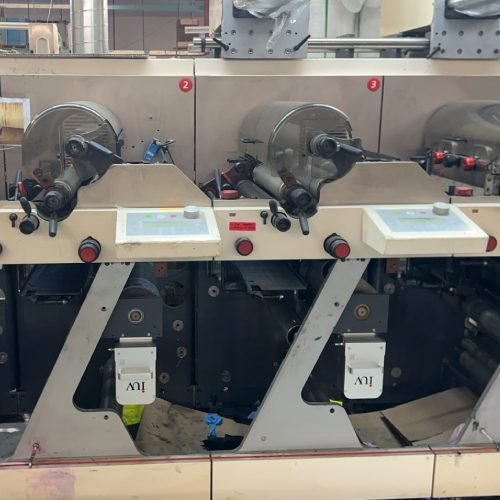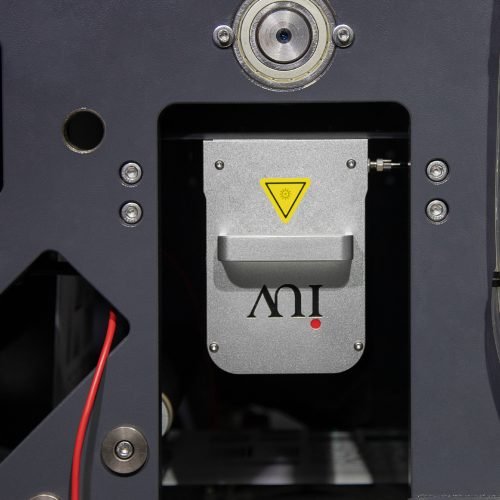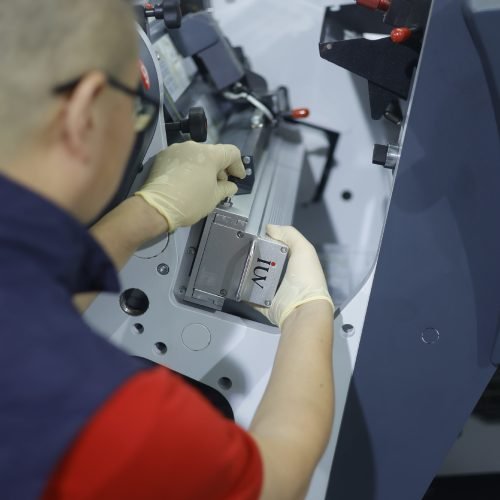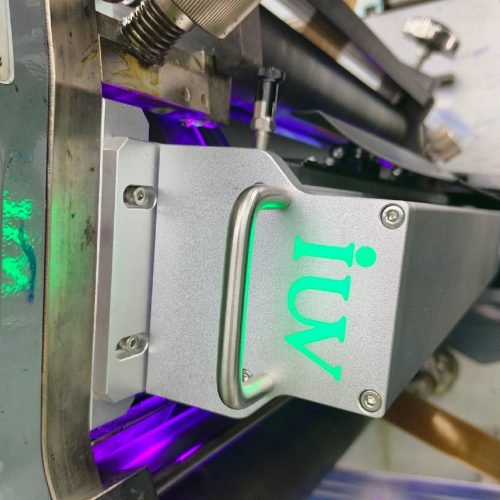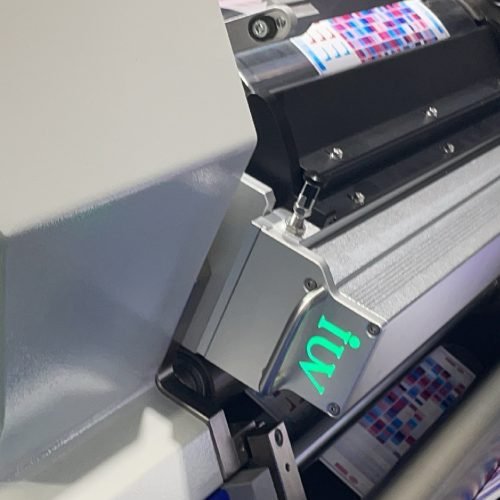
The print industry’s relentless pursuit of vibrancy and durability has found a game-changer in UV curing systems. Unlike traditional drying methods, UV technology uses targeted light energy to transform liquid inks and coatings into hardened finishes instantly. For offset printing—where precision meets high volume—this innovation isn’t just a luxury; it’s rewriting quality standards for color retention and surface gloss across labels, packaging, and commercial prints.
Why UV Outperforms Heat Drying
Heat-based drying evaporates solvents, leaving pigments vulnerable to oxidation and environmental wear. UV curing skips the evaporation stage entirely. Photopolymerization occurs when UV lamps trigger a molecular chain reaction in specially formulated inks, creating a cross-linked polymer network. This results in a surface that’s not just dry but chemically resistant to fading, scratching, and chemical exposure. Print shops using LED-UV systems report 30% fewer reprints due to color shifts, especially in outdoor applications like beverage labels exposed to sunlight.
Gloss Control: From Subtle Sheen to Mirror Finishes
The relationship between UV intensity and gloss levels is direct but adjustable. Narrow-web flexo presses running premium cosmetic packaging often crank UV output to achieve lacquer-like finishes without secondary coating stations. Conversely, book publishers using sheetfed offset might opt for medium-intensity curing to preserve subtle texture in art reproductions. New hybrid LED-UV systems allow on-the-fly adjustments, letting operators match gloss levels to substrate properties—critical when switching between coated stocks and porous recycled materials.
Offset’s Hidden Advantage: Less Dot Gain, More Precision
Conventional offset printers know the frustration of dot gain muddying midtones. UV inks’ instant curing halts dot spread the moment sheets leave the impression cylinder. A recent study comparing AM and FM screening under UV conditions showed a 15% improvement in shadow detail retention compared to conventional inks. This precision is gold for security printing and pharma labels where microtext must remain legible under magnification.
Energy Myths Debunked: LED-UV’s Real Numbers
Early adopters hesitated over mercury-vapor UV systems’ power draws. Modern LED-UV arrays tell a different story. A 40-inch sheetfed press with LED curing consumes roughly 18kW during peak operation—35% less than equivalent IR drying lines. Factor in zero warm-up delays and the ability to toggle individual lamps, and energy bills nosedive. One Brooklyn-based printer slashed their monthly power usage by 62% after retrofitting two Komori Lithrones with LED-UV last fall.
Niche Applications Breaking Boundaries
- Thermochromic Labels
UV-cured inks withstand the thermal cycling required for temperature-sensitive packaging. A craft brewery using UV offset prints reports their color-changing freshness indicators now last 6 months longer than solvent-based alternatives. - Metallic Effects Without Foiling
High-density UV varnishes applied over silver substrates create brushed metal illusions. Luxury watch catalogs leverage this to mimic textures without costly hot foil stamping. - Scratch-Off Gaming Cards
The abrasion resistance of fully cured UV coatings allows thinner scratch layers—critical for lottery tickets needing consistent reveal rates across high-speed web presses.
The Retrofitting Dilemma: New Kit vs. Mods
Older Heidelberg Speedmasters can integrate UV systems for under $120k, but hidden costs lurk. Existing ink rollers may need silicone upgrades to handle UV ink’s higher viscosity. Web presses require chilled roller assemblies to prevent heat buildup—a $18k add-on many overlook. Newer presses like the RMGT 10 Series ship with UV-ready configurations, including quartz glass blankets resistant to UV degradation.
VOC Compliance Without the Headaches
While UV inks aren’t 100% solvent-free (some contain