In label printing, speed and precision aren’t just goals—they’re non-negotiable. Delays in production can ripple into missed deadlines, unhappy clients, and lost revenue. Traditional drying methods often act as bottlenecks, especially when working with intricate designs or sensitive substrates. Enter UV curing systems, a game-changer for shops aiming to balance quality with efficiency. Unlike conventional heat-based drying, UV technology uses targeted light to instantly cure inks and coatings. This shift isn’t just incremental; it’s transformative.
Flexographic and offset printers face unique challenges. Flexo presses running water-based inks often wait minutes for drying, while offset operators juggle spray powder and extended curing times. UV systems eliminate these hurdles. By polymerizing materials on contact, they slash drying from minutes to seconds. Narrow web printers, often handling short runs with rapid changeovers, benefit particularly. Downtime between jobs drops, and substrates like thin films or heat-sensitive materials no longer warp under excessive heat.
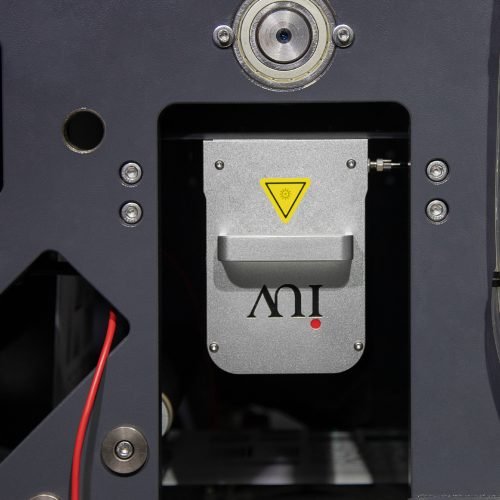
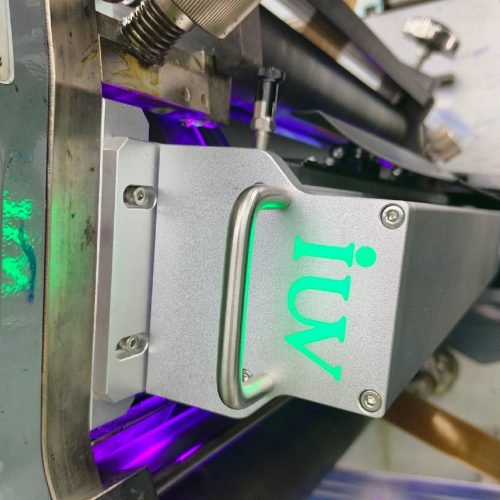
LED UV tech takes this further. Older mercury vapor lamps required warm-up periods and consumed significant energy. LED systems activate instantly, use up to 70% less power, and last 10x longer. For label converters, this means consistent performance across shifts without lamp replacements derailing production. The absence of ozone emissions also simplifies ventilation needs, a plus for facilities upgrading their environmental compliance.
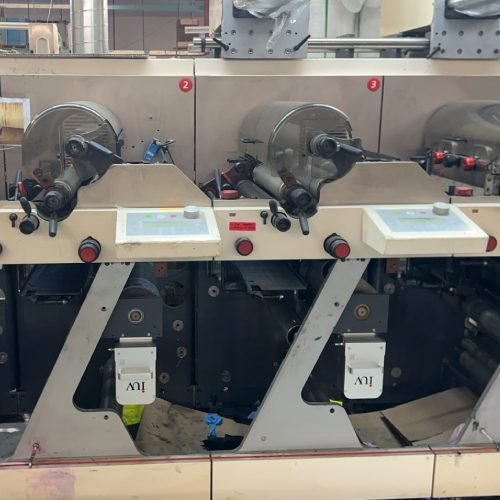
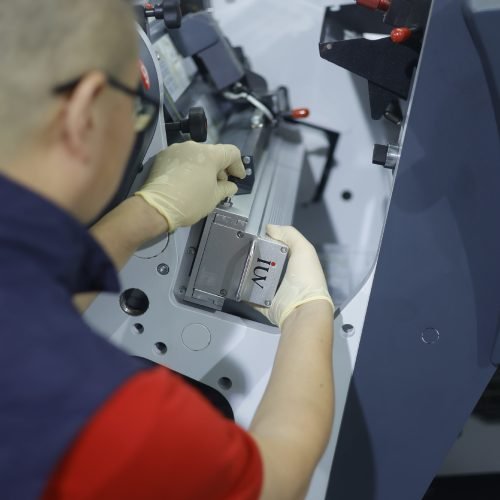
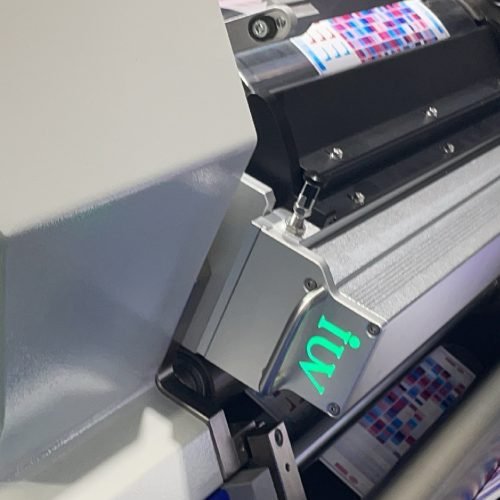
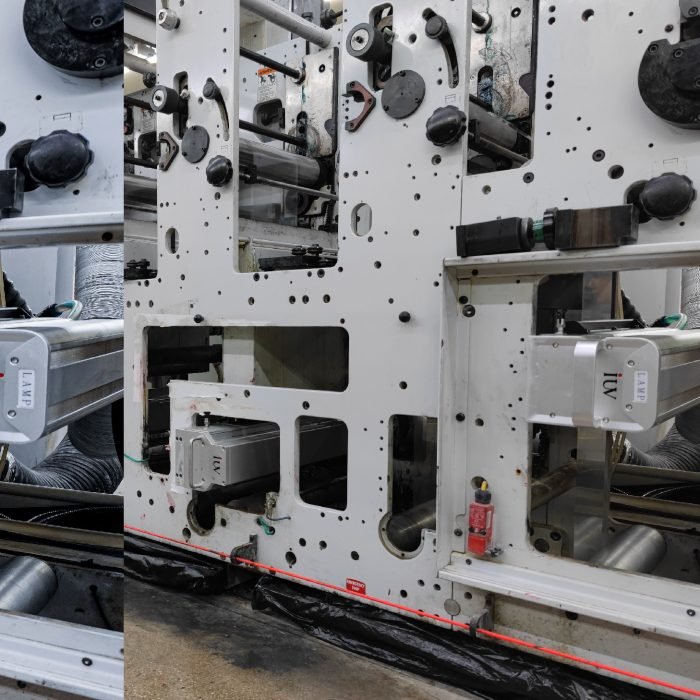
Consider a typical pressure-sensitive label job. With solvent-based inks, drying ovens extend the press length, demanding more floor space. UV curing units, compact by design, integrate directly into existing press configurations. This spatial efficiency matters for urban print shops where real estate costs bite. Faster curing also allows immediate finishing—die-cutting, laminating, or sheeting can happen inline rather than in separate passes.
Adhesion remains critical. Some printers hesitate with UV, fearing poor bonding on non-porous substrates. Modern photoinitiators and advanced formulations tackle this. UV inks now adhere robustly to PET, PVC, and even metallic surfaces. Hybrid systems offer flexibility, letting operators toggle between UV and conventional curing as job specs demand.
Energy costs often deter adoption, but the math leans favorably. A 10-inch LED UV lamp consumes roughly 120W, compared to 600W for traditional systems. Over a year, the savings offset initial investments, especially with rising electricity prices. Maintenance costs nosedive too—no more replacing mercury bulbs or cleaning oven residue.
Regulatory pressures nudge the industry toward greener solutions. UV curing generates no VOCs, aligning with tightening global standards. Brands increasingly demand sustainable practices; printers using UV can market this edge. Waste reduction compounds the benefit—no spoiled sheets from smudged inks mean lower material costs.
Operators note a learning curve. UV inks behave differently, requiring adjustments in viscosity and roller settings. But once dialed in, the consistency impresses. Color matching stabilizes since inks cure immediately, avoiding solvent evaporation shifts. Overprints gain sharpness, crucial for fine text or barcodes.
The shift to UV also reshapes workflow. Jobs that once needed scheduling around drying times can now run back-to-back. A wine label printer shared that UV let them handle 30% more orders monthly without expanding shifts. Another converting house reduced its energy bills by 40% post-transition, reinvesting savings into digital front-end upgrades.
Substrate versatility expands revenue streams. Printers can confidently take on synthetic labels, automotive decals, or medical adhesives—all markets growing faster than traditional paper tags. UV’s ability to cure thick layers or textured coatings unlocks premium finishes like soft-touch or holographic effects.
Critics argue UV isn’t perfect. Some pigments require specific wavelengths, and inert atmospheres might be needed for certain coatings. Yet advancements in LED spectral output and nitrogen purge systems address these gaps. The key lies in partnering with chemistry suppliers to tailor solutions.
On the shop floor, the difference is palpable. Presses hum without waiting for drying tunnels. Operators spend less time adjusting for heat distortion. Quality control spots fewer rejects from smearing or offsetting. For sales teams, faster turnarounds become a compelling pitch—clients get their labels quicker without sacrificing durability.
The future points toward broader UV adoption. As LED efficiencies climb and ink chemistries evolve, even mid-sized shops can justify the leap. For those still on the fence, pilot projects with modular UV units offer low-risk testing. The message is clear: in a market where every minute counts, curing speed isn’t just about drying ink—it’s about staying ahead.