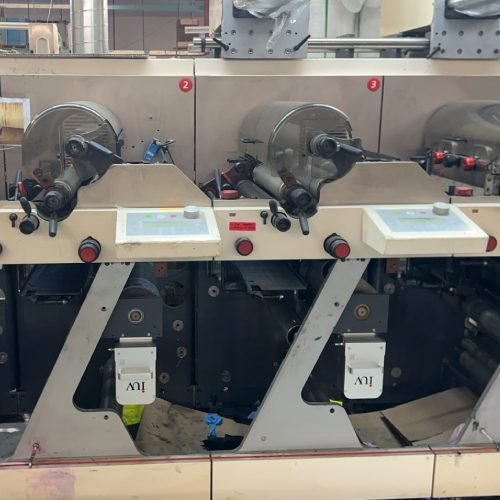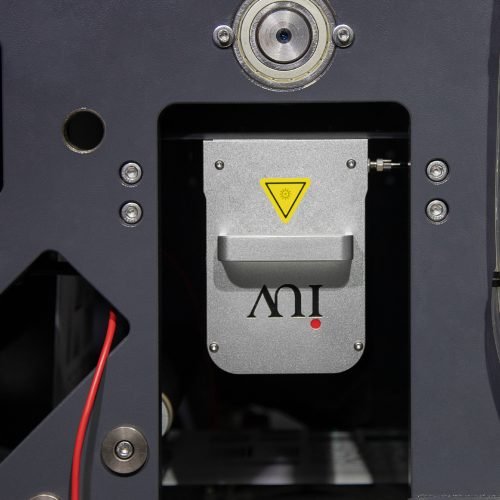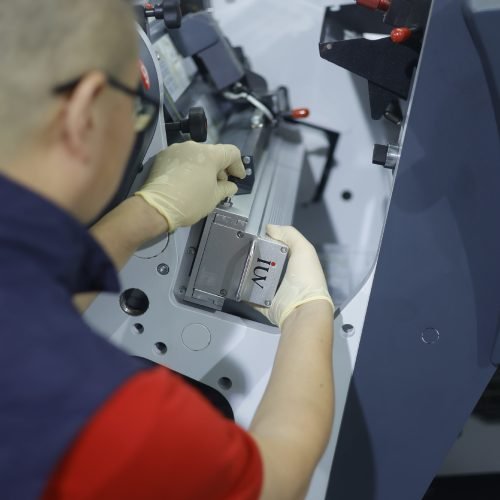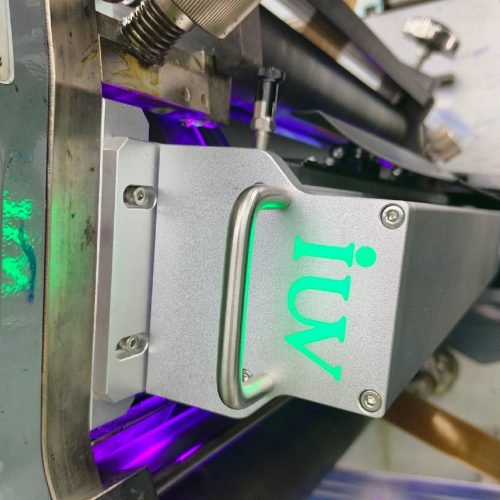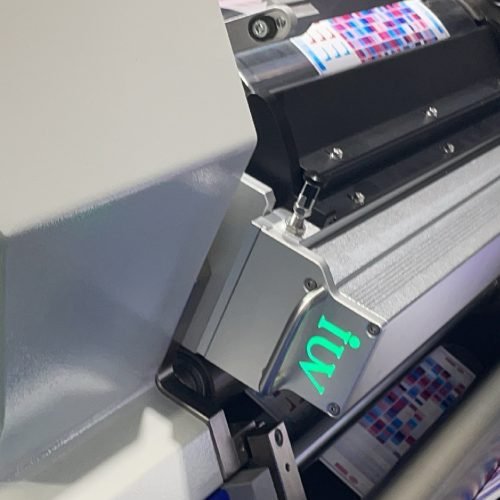
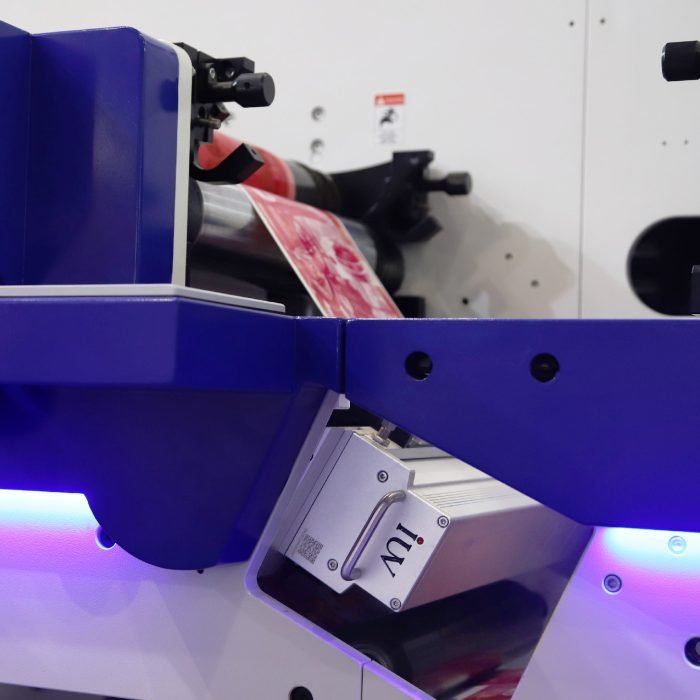
In food packaging, label durability and safety aren’t negotiable. When a yogurt container leaks or a frozen meal box endures condensation, the label must stay legible and intact. This is where UV LED curing systems redefine reliability for food-safe labels. Unlike traditional mercury lamps, UV LED technology delivers precise energy output without excessive heat, critical when working with heat-sensitive substrates like thin films or recyclable materials.
Flexographic printing dominates food label production for its versatility on materials ranging from glossy polymer films to uncoated paperboard. The challenge lies in curing inks and coatings rapidly while maintaining compliance with FDA and EU 10/2011 regulations. UV LED systems achieve full cure in milliseconds, locking in low-migration inks that prevent chemical transfer to food products. For narrow-web presses handling variable data or batch-specific nutrition labels, instant curing eliminates offsetting risks during rewinding.
Offset printing still claims its niche in premium food labels requiring ultra-fine halftones. Here, UV LED curing prevents dot gain variations caused by heat-induced substrate expansion. A craft chocolate brand recently switched to LED-cured offset printing, reducing substrate waste by 18% while achieving color consistency across metallic and matte finishes.
Three factors determine UV LED system efficiency in food label applications:
- Spectral matching between LED peak wavelength (365nm, 385nm, 395nm) and photoinitiators in FDA-compliant inks
- Irradiance levels (typically 8-12 W/cm²) to penetrate opaque white inks without degrading facestock
- Modular design allowing retrofitting onto existing presses like Mark Andy or Gallus machines
Cold curing proves invaluable for pressure-sensitive labels on chilled products. A dairy company eliminated adhesive oozing during cold storage by implementing UV LED systems that cure acrylic adhesives at 15°C ambient temperature. Post-cure adhesion tests showed 42% stronger bonds compared to thermal-cured alternatives.
Sustainability metrics are shifting buyer preferences. UV LED systems consume 70% less energy than mercury arc lamps, with a 20,000-hour lifespan reducing mercury waste. A European label converter achieved carbon neutrality certification by pairing LED curing with water-washable plates, cutting VOC emissions by 93% across their snack food label division.
Migration testing remains paramount. Even NSF-certified inks can fail safety standards if improperly cured. On-press Raman spectroscopy integrations now validate cure completeness by detecting uncured photoinitiator residues below 10 ppb thresholds. This real-time quality control prevented a major pet food recall when trace acrylate compounds were detected mid-run.
Hybrid curing approaches are emerging. A craft brewery combines UV LED with electron beam curing for barrel-aged beer labels requiring extreme abrasion resistance. The dual system cures thick varnish layers in a single pass while maintaining recyclable substrate integrity – something impossible with thermal methods.
As digital printing encroaches on short-run food labels, UV LED’s compatibility with inkjet formulations becomes strategic. Piezo printheads using UV-curable white ink achieve 98% opacity on transparent BOPP films, critical for nutrition facts readability. A contract packager reduced setup time for 500-label batches from 45 minutes to 7 minutes through LED-curable digital printing.
Retrofitting older presses requires evaluating three elements:
- Existing dryer footprint vs. LED array dimensions
- Power supply compatibility (most modern LEDs run on 480V 3-phase)
- Chilling requirements – some high-power systems need 15°C coolant circulation
A midwestern label converter tripled their FDA-approved label output by installing adjustable-intensity UV LED modules on three legacy flexo presses. The $150,000 investment paid back in 14 months through reduced energy bills and FDA audit pass rate improvements.
Future developments hint at wavelength-tunable LEDs that adapt to different ink chemistries within a print job. Experimental systems using 310nm wavelengths show promise for curing bio-based inks derived from soybean extracts, potentially opening new sustainable labeling avenues.
For converters hesitant about capital expenditure, UV LED leasing programs with cure-per-meter pricing models are gaining traction. One contract manufacturer serving organic food brands pays $0.017 per linear meter cured, avoiding upfront costs while meeting sudden demand spikes for compostable packaging labels.
The regulatory landscape keeps tightening. California’s proposed SB 343 could mandate fluorescent label components for recycling sorting – a challenge UV LED systems are uniquely equipped to handle by curing specialized phosphorescent inks without degrading their optical brighteners.
In moisture-rich environments like seafood packaging facilities, UV-cured labels demonstrate 6x better adhesion retention than solvent-based alternatives during accelerated aging tests. A sushi chain reduced label replacement costs by 60% after adopting LED-cured vinyl labels with antimicrobial topcoats.
What often gets overlooked is worker safety. Traditional UV systems required OSHA-approved eye protection and ventilation. LED units emitting no UVC radiation allow operators to work adjacent to curing stations without protective gear, cutting compliance costs by an average of $12,000 annually per pressroom.
As you evaluate systems, request third-party validation of spectral output curves matched to your ink supplier’s specifications. A common pitfall is assuming all 395nm LEDs perform identically – variances in spectral bandwidth can lead to 30% differences in cure speed.
The shift isn’t just technical; it’s economic. Food brands now audit label suppliers’ curing methods as part of ESG compliance. Having UV LED infrastructure positions converters to win contracts with major retailers mandating Scope 3 emissions reductions in packaging components.
One unanswered question lingers: How will UV LED technology adapt to edible ink printing for direct-food labeling? Early research using food-grade photoinitiators suggests cured soybean-based inks could meet safety standards for fruits and baked goods. When that day comes, UV LED systems already in place for labels might expand into entirely new product categories.