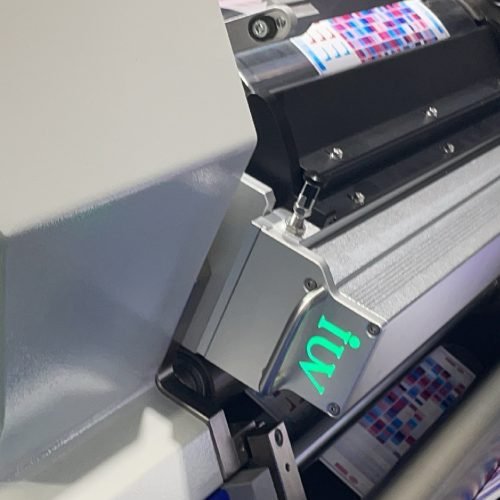
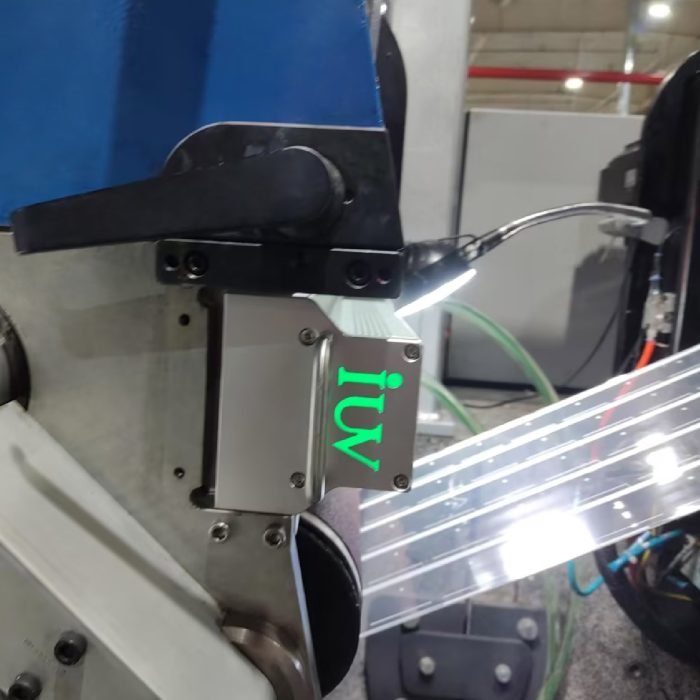
The shift toward sustainable, high-efficiency production methods is reshaping offset printing. LED curing systems have emerged as a transformative solution, addressing longstanding challenges in traditional UV drying processes. From label printing to narrow-web applications, this technology delivers precision, speed, and environmental benefits that align with modern manufacturing demands.
Energy Efficiency in Modern Printing Operations
LED UV curing consumes up to 70% less energy than conventional mercury-vapor lamps. Unlike traditional systems that require continuous power to maintain operational temperatures, LEDs activate instantly and generate minimal heat. This characteristic proves particularly valuable in label printing environments where temperature-sensitive substrates demand careful handling. The reduced thermal output allows printers to use thinner materials without warping or distortion – a critical advantage for premium packaging applications.
Instant On/Off Capability Boosts Productivity
The elimination of warm-up cycles enables faster job turnover in flexographic and offset printing workflows. Operators can initiate curing processes within microseconds, compared to the 5-15 minute startup required by older UV systems. This feature supports just-in-time production models for short-run narrow-web printing, where rapid substrate changes between jobs are common. The immediate shutdown capability further enhances workplace safety by removing risks associated with hot lamp housings.
Superior Print Quality Through Controlled Curing
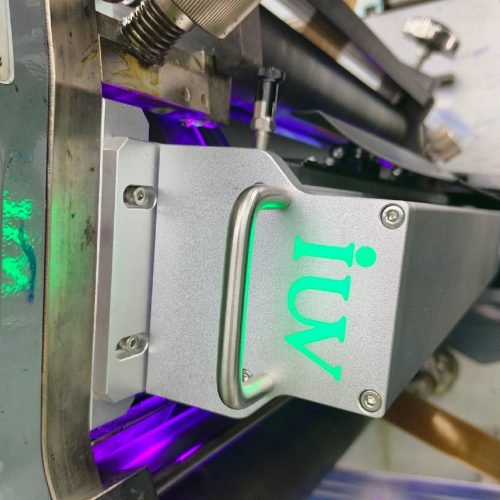
Precision wavelength targeting allows LED systems to optimize ink polymerization. In sheetfed offset applications, this results in sharper dot reproduction and improved color consistency across substrates ranging from coated stocks to synthetic films. The directional nature of LED emissions ensures uniform curing depth, eliminating the ink shrinkage issues that sometimes plague conventional UV drying methods. For metallic and specialty coatings in packaging printing, this controlled energy delivery maintains substrate integrity while achieving full cure.
Expanded Material Compatibility
LED curing accommodates heat-sensitive substrates that challenge traditional methods. Thin films, pressure-sensitive labels, and thermally unstable plastics maintain dimensional stability during processing. This capability opens new possibilities for flexible packaging converters working with PET, BOPP, and other temperature-sensitive materials. The technology also supports hybrid printing configurations, enabling combination runs with both conventional and UV-curable inks on the same press.
Environmental Advantages Over Conventional Systems
Mercury-free LED lamps eliminate hazardous waste disposal concerns associated with traditional UV bulbs. The absence of ozone generation during operation removes the need for costly ventilation systems, particularly beneficial in narrow-web printing facilities with space constraints. Many LED-curable inks now incorporate bio-based resins, further reducing the environmental footprint of label and packaging production. Printers report reductions in volatile organic compound (VOC) emissions by up to 95% compared to solvent-based alternatives.
Operational Cost Reductions Across Print Segments
The extended service life of LED arrays – typically exceeding 20,000 hours – dramatically lowers maintenance costs. Offset printers using conventional UV systems often face monthly bulb replacements costing thousands annually. LED systems maintain consistent output throughout their lifespan, avoiding the gradual intensity decay of mercury lamps. This reliability proves crucial for high-volume operations like commercial web printing, where unexpected downtime directly impacts profitability.
Enhanced Workplace Safety Standards
With no UV-C radiation emissions, LED systems reduce worker exposure risks. The cool-running nature of the technology minimizes burn hazards during maintenance or substrate handling. These safety improvements align with increasingly stringent industrial regulations while lowering insurance premiums for printing facilities. In roll-to-roll applications, the reduced heat output prevents web tension variations that can cause registration issues in multi-color presses.
Adaptability Across Printing Technologies
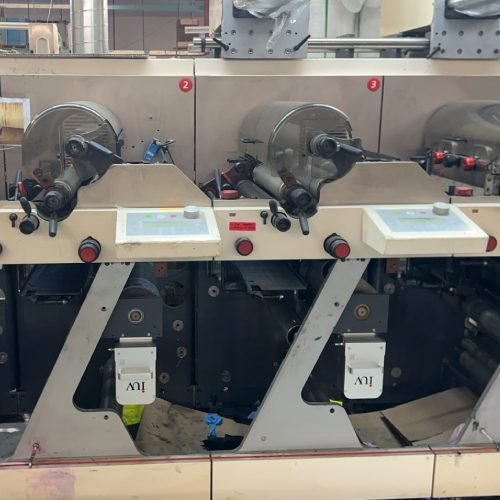
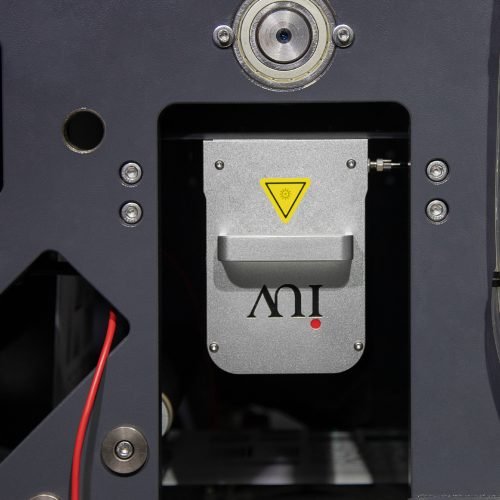
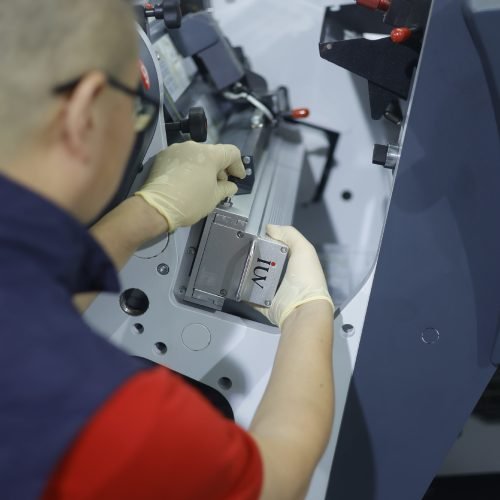
Modern LED curing units integrate seamlessly with both waterless offset and hybrid printing platforms. Their compact design facilitates retrofitting into existing narrow-web presses without major mechanical modifications. The technology supports variable curing intensities for different ink film thicknesses – particularly useful in combination printing applications using flexo and offset units simultaneously. This flexibility future-proofs printing investments as market demands evolve.
Accelerating Adoption in Specialty Markets
Digital label converters increasingly pair LED curing with inkjet systems for variable data printing applications. The instant curing capability prevents ink spread on non-porous materials, achieving resolution levels comparable to traditional gravure methods. In folding carton production, LED systems enable inline coating and decoration processes that previously required separate curing tunnels. Security printers benefit from the technology’s ability to cure optically variable inks without compromising their color-shifting properties.
As environmental regulations tighten and energy costs rise, LED curing systems provide a viable path for offset printers to maintain profitability while meeting sustainability goals. The technology’s compatibility with diverse printing methods positions it as a universal solution for commercial, packaging, and industrial print providers. With ongoing advancements in LED output intensity and ink chemistry, these systems will continue displacing conventional drying methods across the graphic arts industry.