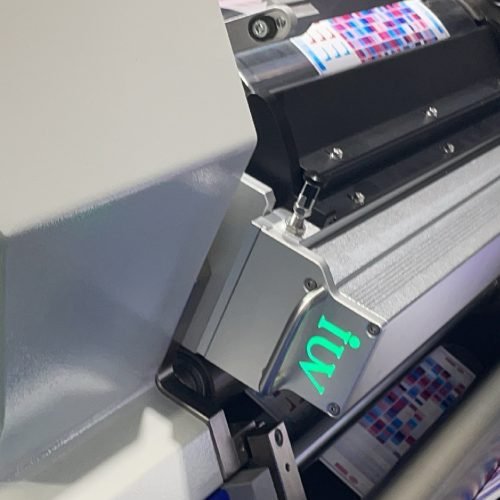
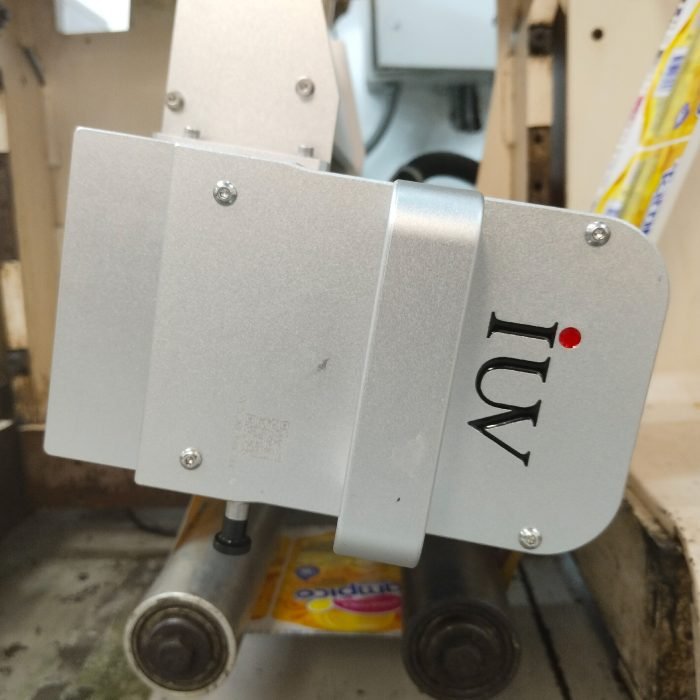
LED UV curing technology has rapidly gained traction in the printing industry, particularly in flexible film printing. As businesses continue to demand faster production speeds, higher quality, and improved environmental standards, LED UV curing is emerging as the future of printing on flexible substrates. This innovative technology offers significant advantages in terms of curing efficiency, sustainability, and versatility, making it an ideal solution for various types of printing applications, including flexographic, letterpress, and narrow-web printing.
What is LED UV Curing?
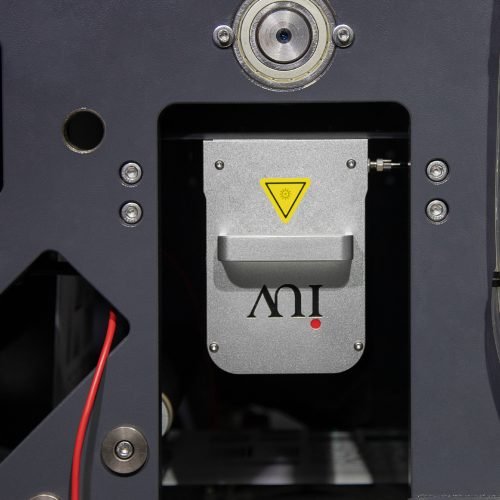
LED UV curing is a process that uses light-emitting diodes (LEDs) to emit ultraviolet (UV) light to cure ink or coating on a substrate. Unlike traditional mercury vapor lamps, LED UV systems produce less heat and consume less energy, making them a more sustainable and cost-effective option. This curing method is especially beneficial for printing on flexible films, where heat-sensitive materials are often used.
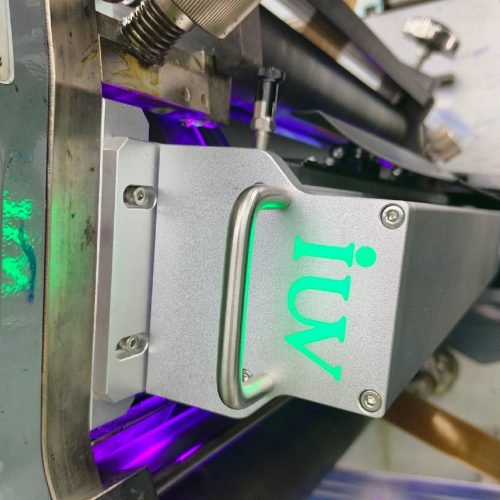
LED UV curing works by exposing specially formulated inks or coatings to UV light emitted by LED lamps. These inks undergo a chemical reaction that causes them to harden almost instantly, allowing for rapid printing and finishing. This quick curing process enables faster production times and makes it possible to print on a wide range of substrates, including those that are difficult to cure using conventional methods.
Benefits of LED UV Curing in Flexible Film Printing
1. Speed and Efficiency
One of the most significant advantages of LED UV curing is its speed. Unlike conventional drying methods, which rely on evaporation or absorption of solvents, LED UV curing immediately solidifies the ink upon exposure to light. This means that the printed film can be handled, stacked, or processed almost immediately after printing, reducing production times and improving overall workflow efficiency. For businesses involved in large-scale production, this speed translates to increased output and reduced turnaround times.
2. Reduced Heat Damage
Flexible films, such as polyethylene, polypropylene, and polyester, are often sensitive to heat. Traditional curing methods, such as hot air or infrared curing, can cause heat distortion, leading to warping or melting of the substrate. LED UV curing, on the other hand, generates significantly less heat, reducing the risk of damaging heat-sensitive materials. This makes it an ideal solution for printing on delicate flexible films without compromising quality.
3. Enhanced Print Quality
LED UV curing technology also improves print quality. The curing process produces a highly durable, scratch-resistant finish that is essential for products exposed to wear and tear, such as packaging, labels, and decorative films. The instant curing action helps maintain the integrity of fine details and sharp edges, resulting in vibrant, high-resolution prints. This enhanced quality is especially important in industries such as packaging and labeling, where visual appeal is critical.
4. Sustainability and Environmental Benefits
In today’s world, sustainability is a key consideration for many industries. LED UV curing is more environmentally friendly than traditional UV curing systems because it uses less energy and does not require the use of harmful mercury vapor lamps. Additionally, LED UV inks typically contain fewer volatile organic compounds (VOCs), which are harmful to both the environment and human health. This reduction in VOCs helps companies meet stringent environmental regulations while maintaining high levels of performance.
Another sustainability advantage is the ability to print with less waste. Since the curing process is instantaneous, there is less drying time and less likelihood of misprints, reducing the need for reprints and material waste. Furthermore, LED UV curing systems have a longer lifespan than traditional UV lamps, meaning less frequent replacements and lower overall operating costs.
5. Versatility Across Applications
LED UV curing technology is versatile and can be used in various printing processes, including flexographic, letterpress, and narrow-web printing. Whether it’s high-volume printing for flexible packaging or high-end print jobs requiring fine detail, LED UV curing systems are capable of meeting the demands of both small and large print runs. In flexographic printing, for instance, LED UV curing enables fast drying of water-based or solvent-based inks, improving the efficiency of the process without compromising print quality.
Moreover, LED UV curing works well with various types of flexible substrates, such as films, foils, and paperboard. This makes it a popular choice for packaging, labeling, and decorative printing applications, where flexibility and durability are critical.
How LED UV Curing Works in Flexographic Printing
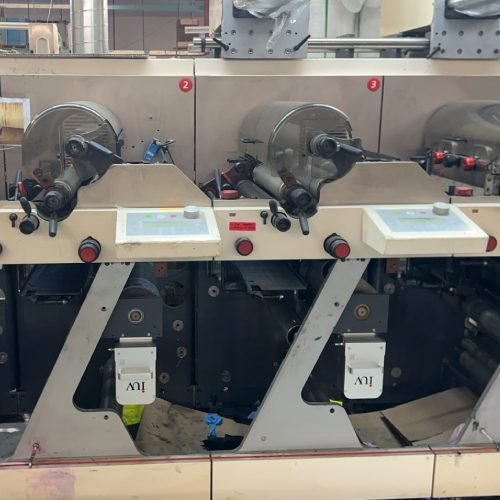
In flexographic printing, LED UV curing is used to cure inks on flexible substrates in real time as the print job progresses. The process begins with the printing press applying ink to the substrate through flexographic printing plates, which are often made of photopolymer or rubber. Once the ink is applied, the substrate passes through an LED UV curing unit, where it is exposed to UV light from the LED lamps.
As the ink is exposed to the UV light, it undergoes a photochemical reaction, causing it to rapidly harden and adhere to the substrate. This instantaneous curing eliminates the need for drying time and prevents smudging or misprints. The result is a high-quality, durable print with excellent adhesion to flexible films.
Key Considerations for LED UV Curing Systems
While LED UV curing offers many benefits, there are a few considerations for businesses looking to invest in this technology.
- Ink Compatibility: Not all inks are compatible with LED UV curing, so it is essential to select UV inks specifically designed for LED curing systems. These inks have been formulated to react to the specific wavelengths of UV light emitted by LED lamps.
- Initial Investment: Although LED UV curing systems typically have lower operating costs over time, the initial investment can be higher compared to conventional curing systems. However, the long-term savings in energy consumption, reduced material waste, and faster production speeds often offset this initial cost.
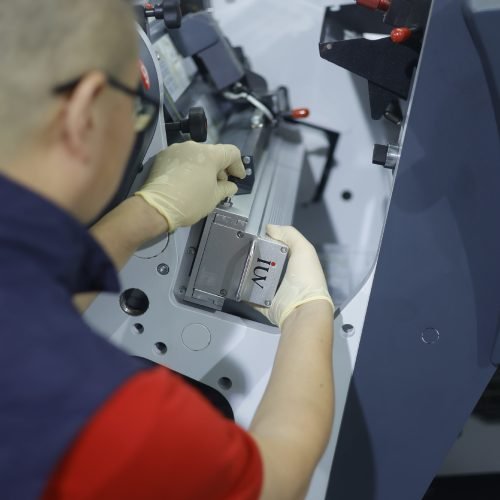
- Lamp Lifespan and Maintenance: LED UV lamps have a longer lifespan than traditional mercury vapor lamps, but they still require proper maintenance to ensure optimal performance. Regular cleaning and monitoring of the lamp’s output are necessary to maintain consistent curing results.
- Substrate Considerations: While LED UV curing works well with many flexible films, some substrates may require additional treatment to ensure proper ink adhesion. For example, some films may need to be corona-treated or primed before printing to achieve the best results.
Conclusion
LED UV curing represents a significant advancement in printing technology, particularly for flexible film applications. Its speed, efficiency, and environmental benefits make it the ideal choice for businesses looking to stay competitive in an increasingly fast-paced and eco-conscious market. By offering high-quality prints with less waste and energy consumption, LED UV curing is paving the way for a more sustainable future in the printing industry.
As the demand for flexible packaging, labels, and decorative films continues to grow, LED UV curing technology is expected to become even more integral to the success of modern printing operations. Whether for small or large print runs, the benefits of LED UV curing will help printers deliver exceptional results while meeting the challenges of today’s ever-changing market.