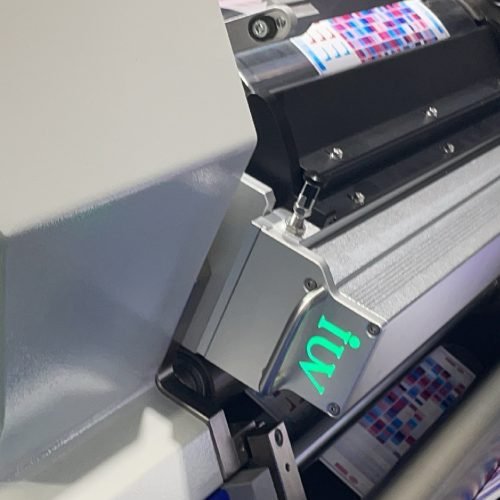
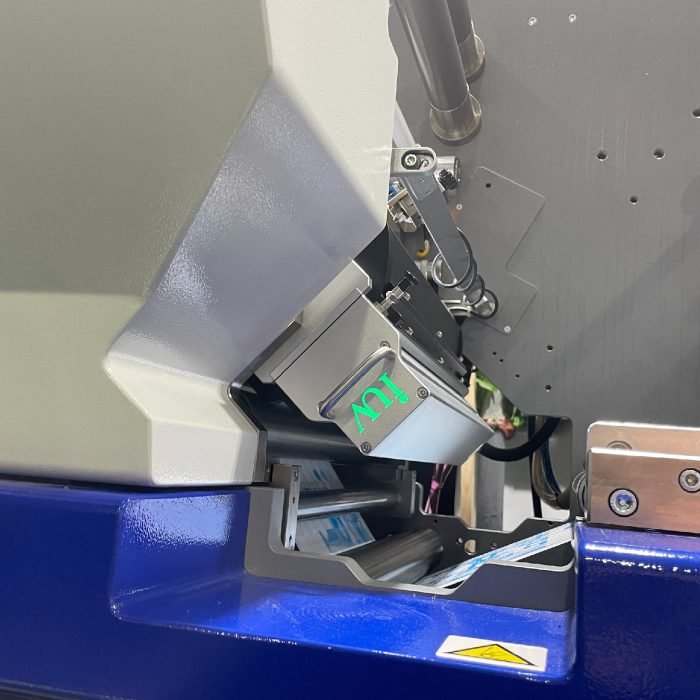
LED UV curing systems have emerged as one of the most significant advancements in ink drying technology for offset printing. This cutting-edge technology is revolutionizing how inks are dried, offering numerous benefits in terms of speed, efficiency, and quality. In this article, we will explore how LED UV curing systems are transforming the world of offset printing, with a particular focus on ink drying, their impact on various printing processes, and why they are rapidly becoming the preferred choice in modern printing.
The Traditional Ink Drying Process in Offset Printing
Offset printing, a widely used technique in commercial printing, traditionally relies on heat and air to dry inks. During this process, printed materials are allowed to dry naturally, which can take considerable time. This drying phase is critical to ensure that ink does not smudge or affect the final output quality. However, the slow drying process can be a bottleneck in high-volume printing environments, limiting productivity and increasing the overall production time.
Moreover, traditional ink drying methods often rely on conventional ultraviolet (UV) light curing systems, which require mercury vapor lamps that consume a significant amount of energy and generate considerable heat. These lamps also emit harmful UV radiation and have a limited lifespan, making them less efficient and environmentally friendly compared to modern alternatives like LED UV curing systems.
LED UV Curing Technology: A Breakthrough in Ink Drying
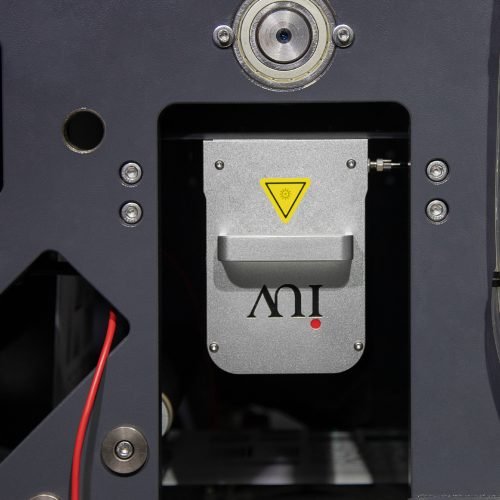
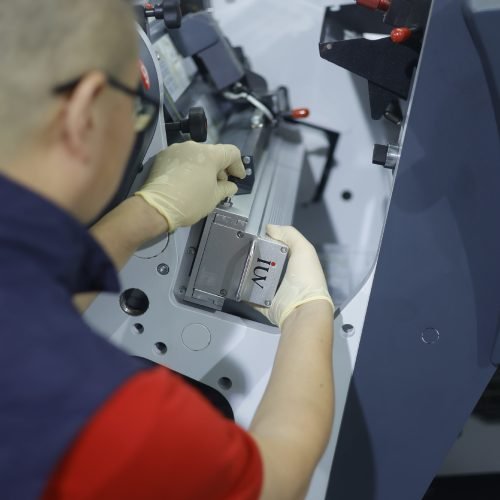
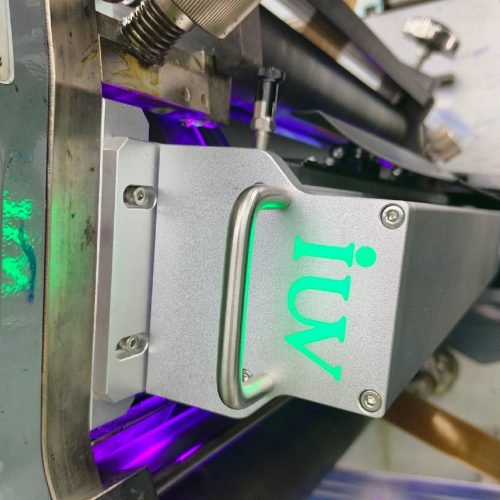
LED UV curing systems use light-emitting diodes (LEDs) to produce UV light that quickly cures ink, allowing it to dry almost instantly. This technology offers several key advantages over conventional drying methods:
- Speed of Drying: LED UV curing systems can cure ink almost instantly as it is exposed to UV light, drastically reducing the drying time. This enables faster production times, allowing printers to complete jobs in a fraction of the time required with traditional methods.
- Energy Efficiency: LED UV lamps are far more energy-efficient than mercury vapor lamps. They consume less power and generate significantly less heat, making them more cost-effective and environmentally friendly. This reduces the need for excessive cooling in printing environments, further lowering operational costs.
- Longer Lamp Life: LED UV lamps have a much longer lifespan compared to conventional UV lamps. While traditional UV lamps may need to be replaced every 1,000 to 2,000 hours, LED UV lamps can last up to 20,000 hours or more. This reduces the need for frequent replacements, saving both time and money for printing operations.
- Improved Print Quality: The precise and uniform curing provided by LED UV systems ensures a more consistent finish. Inks dry evenly across the printed surface, which helps avoid smudging and ensures high-quality prints. This is especially crucial for printing on various substrates, including non-porous materials such as plastics, foils, and coated papers.
- Eco-Friendly: LED UV curing is a more sustainable option compared to traditional UV curing methods. The absence of mercury and lower energy consumption makes LED UV systems an environmentally responsible choice. Additionally, LED UV systems produce little to no ozone, which can contribute to air pollution in printing facilities.
LED UV Curing in Offset Printing
Offset printing is one of the primary processes benefiting from LED UV curing technology. In this printing method, ink is transferred from a plate to a rubber blanket and then to the substrate. The curing process is vital to ensure the ink adheres correctly and dries without any issues such as smearing or poor adhesion.
LED UV curing is especially beneficial in high-speed offset printing operations. The fast curing times offered by LED UV systems allow for quick turnaround times and more efficient use of printing presses. This is particularly advantageous for commercial printers who need to meet tight deadlines and deliver high-quality prints within a short timeframe.
Benefits for Flexo, Narrow Web, and Other Printing Processes
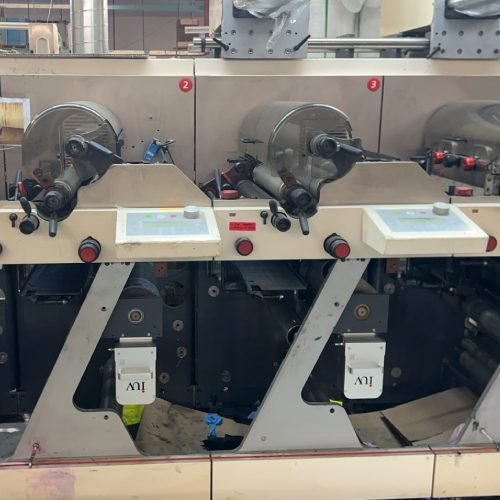
While offset printing is the primary focus, LED UV curing technology is also making waves in other printing processes such as flexographic (flexo) printing and narrow-web printing. Flexo printing, commonly used for packaging, labels, and flexible materials, benefits from the quick drying times of LED UV curing, allowing for faster production and more efficient use of presses.
In narrow-web printing, which is often used for labels and small packaging, LED UV curing offers improved curing quality on a range of substrates, including non-porous materials. This makes it easier to print on substrates that are typically difficult to dry using traditional methods.
Enhancing Substrate Compatibility
One of the most remarkable features of LED UV curing systems is their ability to cure ink on a wide variety of substrates. In offset printing, traditional drying methods often struggle with certain types of materials, such as plastics, metals, and other non-porous surfaces. LED UV curing, however, can effectively cure inks on almost any substrate, including these difficult-to-dry materials.
This makes LED UV curing particularly valuable in industries that require specialized packaging or labels, where printing on non-absorbent materials is common. By using LED UV curing, printers can achieve high-quality results on substrates that were previously challenging, opening up new possibilities for creative and high-performance printing.
Cost-Effectiveness and Operational Efficiency
While the initial investment in LED UV curing systems may be higher than traditional drying methods, the long-term savings are substantial. The reduced energy consumption, longer lamp life, and increased production speeds result in a significant return on investment (ROI) for printing businesses. The ability to reduce drying times and increase print speeds means that printers can complete more jobs in less time, improving overall operational efficiency.
Additionally, the reduced need for cooling systems and the absence of hazardous materials such as mercury lower operating costs and create a safer work environment. With lower maintenance costs and fewer environmental concerns, LED UV curing is an attractive option for printers looking to modernize their operations.
The Future of LED UV Curing in Offset Printing
As LED UV curing technology continues to evolve, it is expected that even more improvements will be made in terms of curing speed, energy efficiency, and substrate compatibility. Innovations in LED UV technology will likely result in even more versatile systems that can handle a broader range of printing needs, including digital and hybrid printing processes.
With the growing demand for faster production times, higher-quality prints, and more eco-friendly solutions, LED UV curing systems are positioned to become an integral part of the future of offset printing. As the technology becomes more widespread and cost-effective, it will likely replace traditional drying methods in many printing applications.
Conclusion
LED UV curing systems are indeed revolutionizing ink drying in offset printing. With their numerous advantages, including faster drying times, energy efficiency, longer lamp life, and superior print quality, LED UV curing systems are transforming the way the printing industry operates. Whether used in offset, flexo, or narrow-web printing processes, this technology offers significant benefits for printers looking to increase productivity, improve print quality, and reduce environmental impact.
For businesses in the printing industry, adopting LED UV curing technology offers a pathway to greater efficiency and long-term profitability. As this technology continues to advance, the possibilities for innovation and growth in the printing world are boundless.