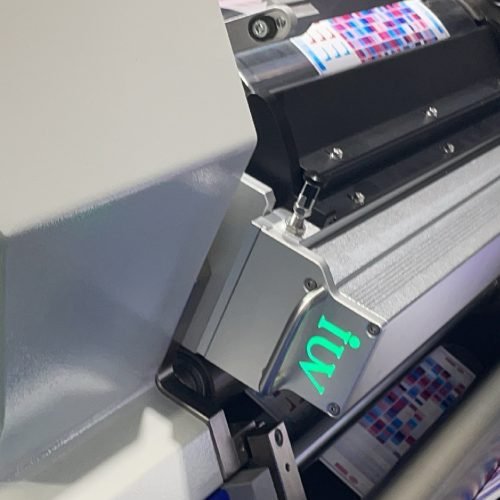
In the dynamic world of printing, sustainability is no longer a buzzword; it’s a fundamental requirement. Businesses across the spectrum, from label converters to packaging producers, are actively seeking ways to reduce their environmental footprint. At the heart of this transformation lies a powerful technology: LED UV curing systems. These innovative solutions are proving to be the cornerstone of modern, eco-conscious printing operations, driving efficiency, reducing waste, and paving the way for a more sustainable future.
For decades, traditional mercury vapor lamps dominated UV curing. While effective, they came with significant drawbacks. High energy consumption, heat generation, ozone production, and a shorter lifespan were all factors contributing to a less-than-ideal environmental profile. The advent of LED UV technology has completely reshaped this landscape, offering a compelling alternative that aligns perfectly with the demands of sustainable printing.
Bridging the Gap: LED UV and Today’s Printing Demands
The printing industry is incredibly diverse, with processes like flexography, offset, and digital printing each having unique requirements. Narrow-web printing, particularly prevalent in label and packaging production, demands precision, speed, and versatility. LED UV curing systems are uniquely positioned to meet these evolving needs, offering a blend of performance and environmental benefits that are hard to ignore.
Flexographic Printing’s Green Revolution: Flexography, a workhorse in label and flexible packaging, has seen a significant boost in its sustainability credentials thanks to LED UV. Traditional methods often involved significant heat, leading to substrate deformation and increased energy use. LED UV lamps emit highly targeted wavelengths of light, curing inks and coatings with remarkable efficiency. This means less energy is consumed, and the heat generated is significantly lower. This reduced heat is crucial for sensitive substrates, preventing warping and allowing for the use of a wider range of thinner, more eco-friendly materials. Furthermore, the instant curing nature of LED UV means faster job throughput and less waste from spoilage or rework.
Offset Printing Reimagined: In the realm of offset printing, especially for commercial and packaging applications, LED UV curing is enabling a paradigm shift. Conventional drying methods in offset can be energy-intensive and sometimes lead to ink migration or set-off issues. LED UV, however, provides rapid, on-demand curing. This allows printers to handle coated stocks immediately after printing, eliminating the need for anti-set-off powders that can create environmental and operational challenges. The sharp, controlled light spectrum of LEDs also ensures excellent ink adhesion and gloss, meeting high-quality expectations without compromising on sustainability. The absence of ozone emission is another critical advantage, contributing to a safer and healthier working environment.
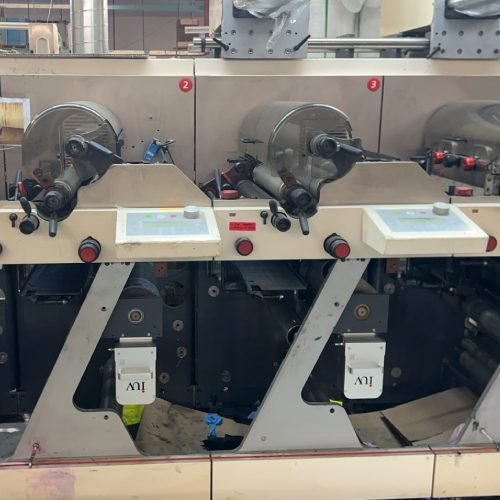
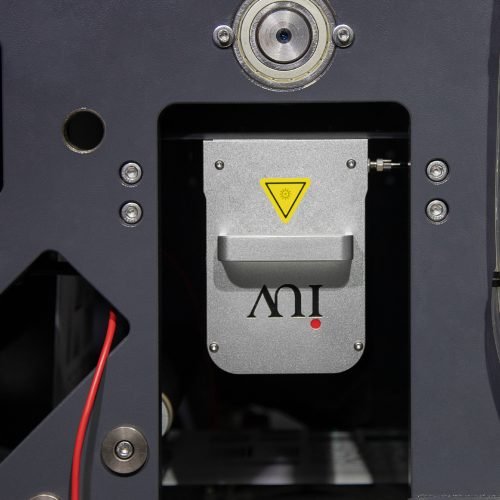
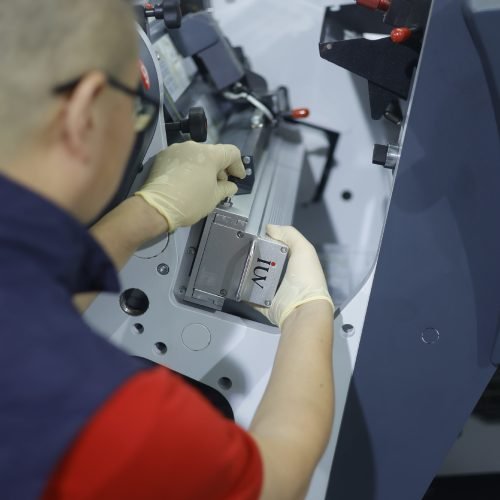
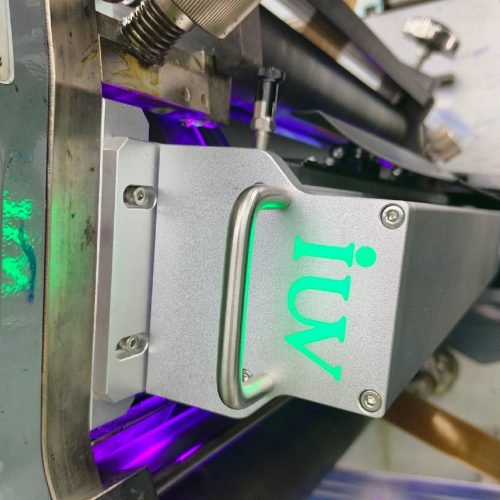
Narrow-Web Printing’s Efficiency Leap: The narrow-web printing sector, a vital segment for producing labels, tags, and small packaging, is perhaps where LED UV’s impact is most profound. Space is often at a premium, and energy efficiency is paramount. LED UV systems are compact, requiring less installation space and offering substantial energy savings compared to their mercury predecessors. Their instant on/off capability means energy is only used when printing is actually happening, a stark contrast to the warm-up and cool-down periods associated with older technologies. This translates directly into reduced operational costs and a smaller carbon footprint. The consistent, high-intensity output of LEDs also ensures uniform curing across the web, leading to superior print quality and reduced waste.
The Tangible Benefits: Beyond Environmental Compliance
The adoption of LED UV curing systems extends far beyond simply meeting environmental regulations. The benefits translate into tangible improvements in operational efficiency and profitability.
Energy Efficiency at its Core: This is arguably the most significant advantage. LED UV systems consume up to 80% less energy than traditional mercury lamps. This drastic reduction in power consumption directly impacts operational costs, making printing businesses more competitive. In an era of fluctuating energy prices, this predictable and reduced energy demand is a substantial financial benefit. The lower energy draw also reduces the overall heat load in the print shop, potentially lowering HVAC costs.
Reduced Waste, Enhanced Throughput: The instant curing capabilities of LED UV mean that printed materials are immediately dry and ready for the next process or finishing step. This dramatically reduces the potential for smudging, scratching, or set-off, which are common causes of waste in conventional printing. Faster curing also translates to faster production speeds. Printers can achieve higher throughputs without sacrificing quality, allowing them to take on more jobs and increase their output. This enhanced efficiency means less time spent waiting and more time spent producing.
A Healthier Workplace: Traditional UV curing systems, especially those using mercury lamps, emit ozone as a byproduct. Ozone is a respiratory irritant and requires specialized ventilation systems to manage. LED UV technology produces virtually no ozone, leading to a safer and healthier working environment for print operators. This not only improves employee well-being but also reduces the need for expensive and complex ventilation infrastructure.
Longer Lifespan, Lower Maintenance: LED UV lamps boast a significantly longer operational lifespan compared to mercury lamps – often tens of thousands of hours versus a few thousand. This longevity translates into reduced replacement costs and less downtime for maintenance. The consistent performance of LEDs over their lifespan also ensures predictable curing results, contributing to stable print quality. The absence of warm-up and cool-down cycles further minimizes wear and tear.
Versatility and Substrate Compatibility: LED UV curing systems can be tailored to emit specific wavelengths of light. This allows for precise curing of various ink and coating formulations, including those designed for energy-curable applications. The lower heat output also enables printing on a wider array of heat-sensitive substrates, such as thin films, plastics, and even some paper stocks that would warp or degrade under the heat of conventional lamps. This opens up new market opportunities and allows for the use of more sustainable, lighter-weight materials.
Looking Ahead: LED UV as the Standard for Sustainable Printing
As the printing industry continues its journey towards greater sustainability, LED UV curing systems are emerging not just as an option, but as a necessity. Their ability to reduce energy consumption, minimize waste, improve workplace safety, and enhance operational efficiency makes them an indispensable part of any forward-thinking printing operation.
For flexographic printers producing labels and flexible packaging, the ability to print on thinner, more sustainable substrates without heat-related issues is a game-changer. Offset printers benefit from faster turnaround times and the elimination of powder, while narrow-web specialists gain critical advantages in energy savings and space utilization.
Embracing LED UV technology is a strategic investment. It’s an investment in environmental responsibility, operational excellence, and long-term profitability. As we move further into a future where sustainability is non-negotiable, the role of LED UV curing systems as the core of green printing operations will only continue to grow in importance. It’s a technology that enables printers to deliver high-quality results today while safeguarding the planet for tomorrow.