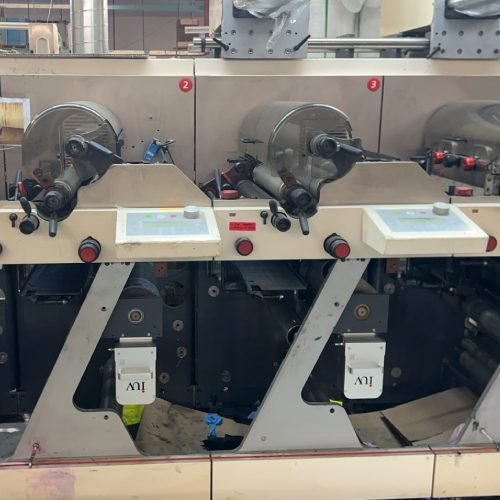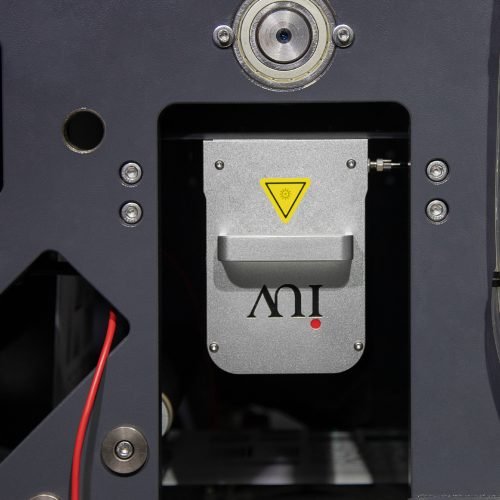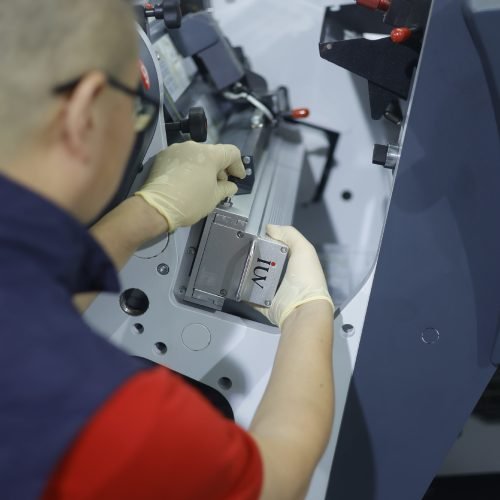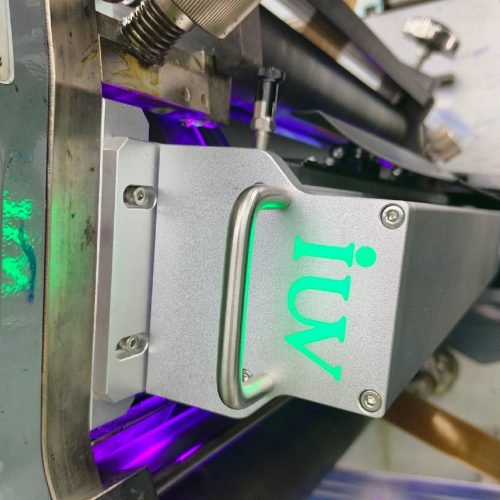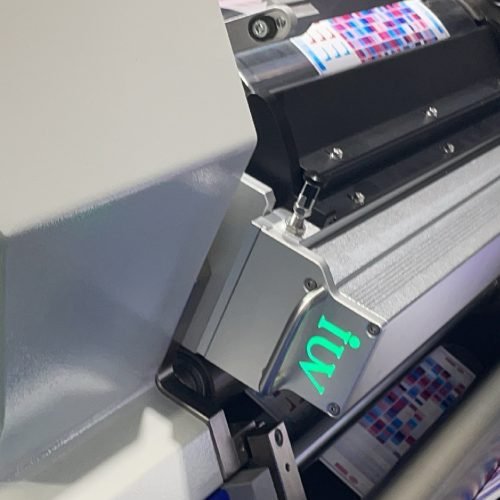
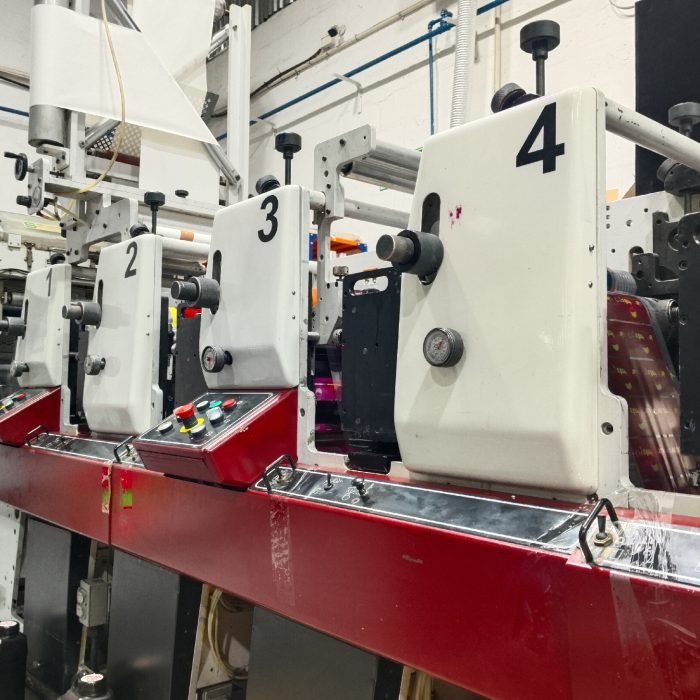
LED UV curing has transformed how label printing lines apply varnishes and cold foil. It enables instant cure, high productivity, and reduced heat load on sensitive substrates. For label printing, flexography, gravure, and narrow-web formats, LED UV systems offer precise control over cure substantially faster than traditional lamps. This article reviews practical aspects of LED UV curing for cold foil and varnish applications. It covers printing technologies, chemistry, substrate issues, and process optimization. The goal is to help operators improve consistency, efficiency, and end‑use performance.
LED UV curing: core concepts
LED UV emitters typically run in the near-UV range around 395 to 405 nanometers, with some systems extending to 420 nanometers. This spectral window activates photoinitiators in UV‑curable inks, varnishes, and adhesives. Key benefits include instant cure, minimal heat, and longer lamp life. LEDs also reduce ozone formation and energy waste. Calibration is essential; uniform irradiance across the web width ensures consistent cure. Because curing starts at the surface, proper ink film thickness and line speed matter as well. Color and metallic effects in cold foil must be matched to the cure profile to avoid distortion or haze.
Relevance to label printing, flexography, gravure, and narrow-web
Label printing often relies on flexographic (flexo) or gravure processes for applying varnish and foil. Narrow-web presses push for high line speeds and tight register. LED UV cures all these scenarios with fast setting times and reduced cure times. However, the interaction between LED UV and each print process varies. Flexo inks tend to have different photoinitiator packages than gravure inks. Foil adhesion quality depends on the underlying UV‑cured layer. In all cases, the cure must be sufficient to resist blocking during unwind and to maintain gloss and durability in the final product.
Cold foil and varnish interplay
Cold foil uses a foil film carried onto an adhesive layer that accepts foil under pressure. The UV‑curable varnish often serves as a protective top coat or as the adhesive layer’s curing vehicle. LED UV curing is advantageous here because it cures rapidly without subjecting the metallic foil to excessive heat. Key considerations:
- Adhesive compatibility: Ensure the UV‑curable adhesive in the cold foil stack is designed for LED UV exposure at the chosen irradiance. Incompatibility may cause poor foil adhesion or dull lines.
- Varnish layer thickness: A stable, uniform varnish provides a predictable foil transfer and cure. Too thin a layer risks incomplete cure; too thick can slow cure or increase pinholes.
- Surface energy: The cured varnish must maintain sufficient surface energy for subsequent lamination or overprint if required.
- Gloss control: LED UV curing can influence gloss. High-gloss spots may be achieved with precise cure control, while dull areas can occur if the varnish is over‑cured or under‑cured.
Ink and varnish formulation considerations
For label and narrow-web work, resin systems, photoinitiators, and monomer content influence cure performance. Practical guidance:
- Photoinitiator selection: Choose initiators that respond well to the LED spectrum in use. Some LED systems demand specific initiators for fastest cure and lowest yellowing.
- Viscosity management: UV varnishes in narrow-web lines must balance flow with cure speed. Higher viscosity can reduce penetration but improve dot gain control on gravure.
- Fast cure vs. through cure: In high-speed lines, surface cure should be achieved quickly to prevent blocking; through-cure depth supports long-term durability.
- Color and metallic effects: Cold foil and metallic varnishes benefit from UV packages that minimize haze and maintain reflectivity after cure.
Substrate and adhesive interactions
Substrates drive how LED UV cures perform. Common label stock includes polyester, paper, and specialty films. Consider:
- Polymer compatibility: Some substrates fluoresce or crystallize under UV, affecting appearance. Test cure on sample panels representative of production stock.
- Adhesive behavior: UV‑curable adhesives under foil must stay tacky enough to transfer but cure firmly upon exposure. Inconsistencies can lead to foil lifting or speckling.
- Temperature sensitivity: LED UV has low heat, but substrates with heat‑sensitive coatings still need scheduling to avoid distortion. Proper cooling of the LED head and web path helps.
Process optimization for each print method
Flexography (flexo)
- Print and cure balance: Optimize curing distance and speed to avoid edge crisping or pinholes. A consistent nip and even varnish laydown are essential.
- Anilox and varnish transfer: Narrow-web flexo often uses precise gravure-like metering; ensure the varnish is compatible with LED cure and doesn’t foam or skid on the roller.
- Foil adhesion: When applying cold foil over the varnish, ensure the adhesive layer receives full cure to lock the foil in place at the intended gaps and edges.
Gravure (rotogravure)
- Cell geometry and cure: Gravure inks can require higher UV energy for complete cure in tiny cells. A uniform exposure helps prevent gloss variations between cells.
- Dot gain control: UV itself doesn’t cause dot gain, but cure depth interacts with ink film thickness. Use appropriate substrate pretreatment and roller settings to minimize greyscale drift.
- Coating integrity: Cured varnish should resist scuffing during finishing while keeping the metallic foil’s reflectivity.
Label printing on narrow-web
- Web tension and flatness: LED UV systems require consistent gap to avoid under‑ or over‑cure at the web edges. Maintain stable tension to minimize weave and bowing that disrupts cure uniformity.
- Edge effects: Narrow web margins are prone to overcure at the edges; tune irradiance to maintain uniform gloss and avoid edge yellowing.
- Inks and varnish stacks: Use a varnish system designed for narrow-web speeds. Consider tack, cure, and peel strength in the finished label.
UV curing knowledge that informs practice
- Dose and irradiance mapping: Build a cure map across the width and length of the web. Identify hotspots and shadow areas caused by roll geometry or foil thickness.
- O2 inhibition: Surface cure can be affected by oxygen. Some systems use inert gas or a higher line speed to minimize inhibitors. The result is a uniform surface cure with fewer hazes.
- Heat management: Even with low heat, LED UV generates some heat at the lamp head. Proper cooling maintains lamp efficiency and batch stability.
- Downtime and maintenance: LED life is long, but lenses, reflectors, and filters accumulate dust and deposition. Regular cleaning preserves performance.
Practical guidelines for equipment selection and operation
- Lamp intensity and optics: When selecting LED UV equipment for cold foil and varnish, seek uniform irradiance with minimal hotspots. A modular system helps scale with line speeds.
- Calibration protocol: Establish a routine to measure irradiance, film thickness, and cure state at multiple points along the web. Use standardized test patterns to validate color and gloss.
- Ink adhesion tests: Run a small set of tests on representative substrates to confirm foil adhesion after cure. Use tape tests and rub tests to verify durability.
- Process windows: Define acceptable cure windows for each job type. Keep a buffer for variations in substrate, ink batch, and ambient conditions.
- Cooling strategy: Ensure adequate cooling for LED heads and rollers to prevent drift in output and maintain stable curing.
Troubleshooting and quality control
Common symptoms and remedies:
- Incomplete cure: Increase irradiance or exposure time, verify uniform lamp output across the web, and check nozzle alignment if applicable.
- Foil lifting or peeling: Reexamine adhesive chemistry and ensure proper cure depth under the foil. Adjust varnish viscosity or layer thickness.
- Pinholes and holidays: Inspect varnish film thickness and substrate surface energy. Improve substrate cleaning and pre-treatment if needed.
- Gel or tacky varnish: Check pigment compatibility and photoinitiator balance. Confirm that the cure dose reaches deep enough to cross-link the resin.
- Yellowing or haze: Review initiator chemistry and exposure parameters. Avoid over‑exposure that causes over‑cross-linking and color shift.
Economic and ROI considerations
LED UV systems often reduce energy use and maintenance costs compared with traditional mercury lamps. Benefits include:
- Lower energy per cured area and reduced cooling needs.
- Longer lamp life and less frequent replacement cycles.
- Reduced heat impact on sensitive substrates extends material choices and reduces waste.
- Faster changeovers and higher line speeds improve productivity.
- Enhanced appearance of cold foil and varnish with better gloss control and durability.
Practical implementation steps
- Define product requirements: Identify typical substrates, inks, foils, and varnish systems. Set cure speed and gloss targets.
- Select equipment: Choose LEDs with adjustable irradiance, uniformity across the web, and compatible spectral packages for your inks.
- Validate with samples: Produce test runs on representative substrates and conduct cure, adhesion, and finish tests.
- Optimize processes: Tune curing energy, varnish thickness, and foil alignment for the best balance of speed and quality.
- Monitor performance: Establish routine QC checks for cure, gloss, adhesion, and durability. Track changes across lots and presses.
Future trends and final thoughts
LED UV curing continues to evolve with smarter controls, better photoinitiator chemistry, and more robust cold foil systems. Expect improvements in energy efficiency, greater cure uniformity at high speeds, and broader substrate compatibility. For label printing, flexography, gravure, and narrow-web operations, a well‑designed LED UV cure strategy can deliver high gloss, sharp foils, and durable varnishes while reducing heat load and waste.
In summary, LED UV curing offers real advantages for cold foil and varnish applications across label printing, flexographic, gravure, and narrow‑web formats. By aligning ink and varnish formulations, substrate choices, and exposure strategies with press geometry, operators can achieve consistent cure, superior appearance, and meaningful productivity gains. A practical, data‑driven approach to irradiance mapping, process windows, and routine maintenance will maximize the benefits of LED UV technology in modern print lines.