The narrow-web printing sector is constantly seeking ways to boost efficiency, enhance quality, and reduce waste. For years, printers have grappled with the complexities of drying and curing inks, a process that often introduces bottlenecks and limitations. However, the advent of fully automated UV printing systems, particularly those utilizing advanced LED UV curing, is fundamentally changing this landscape. This isn’t just an incremental improvement; it’s a paradigm shift, offering unprecedented control and speed in label and flexible packaging production.
Understanding the Narrow-Web Environment
Narrow-web printing typically refers to printing on materials less than 20 inches wide. This segment is dominated by applications like labels, tapes, and small flexible packaging. The inherent nature of narrow-web means high-volume, short-run production is common, demanding quick changeovers and consistent output. Traditional methods often involve heat-set inks or solvent-based systems, each with their own set of drawbacks. Heat-set requires significant energy and can stress sensitive substrates, while solvent systems raise environmental and health concerns due to VOC emissions. This is where UV curing steps in as a compelling alternative.
The UV Curing Advantage: From Mercury to LED
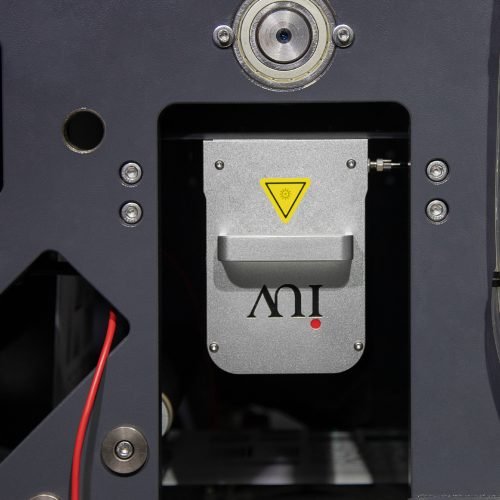
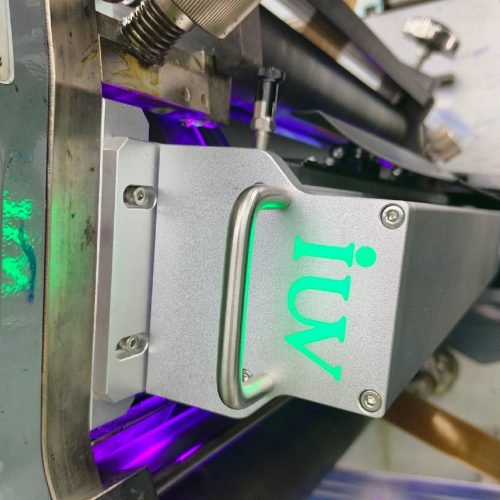
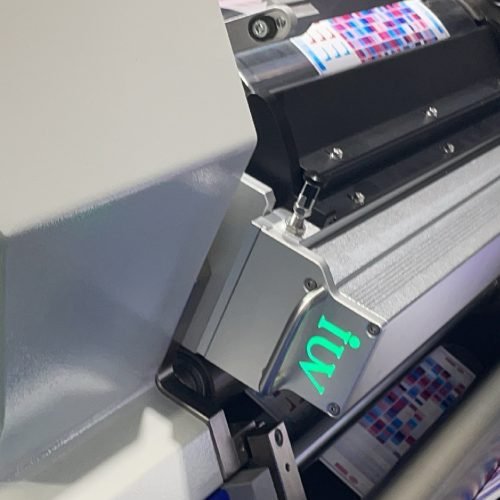
Ultraviolet (UV) curing technology uses UV light to instantly polymerize (harden) specially formulated inks, coatings, and adhesives. Historically, mercury vapor lamps were the standard. While effective, they consumed a lot of energy, generated substantial heat, had a relatively short lifespan, and contained hazardous materials. The introduction of Light Emitting Diode (LED) UV curing has been a game-changer for the industry.
LED UV systems offer several distinct advantages:
- Energy Efficiency: LEDs consume significantly less power compared to mercury lamps, leading to lower operational costs.
- Lower Heat Output: This is crucial for printing on heat-sensitive substrates common in narrow-web applications, preventing distortion or damage.
- Instant On/Off: Unlike mercury lamps that require warm-up and cool-down periods, LEDs can be switched on and off instantaneously. This saves energy and allows for faster job setup and changeovers.
- Longer Lifespan: LED lamps have a much longer operational life, reducing maintenance and replacement costs.
- Mercury-Free: This offers significant environmental and safety benefits.
- Consistent Output: LEDs provide a stable UV spectrum over their lifespan, ensuring consistent curing performance.
Fully Automated UV Systems: Streamlining the Production Floor
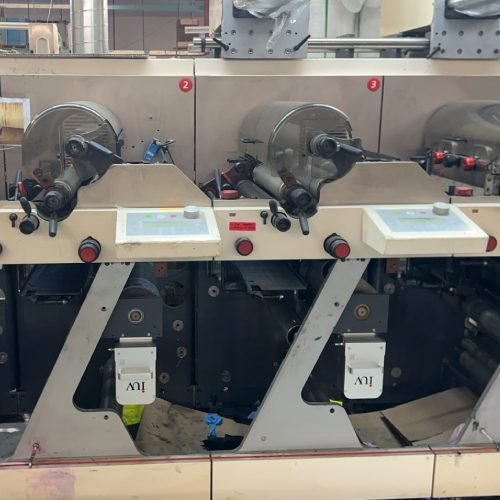
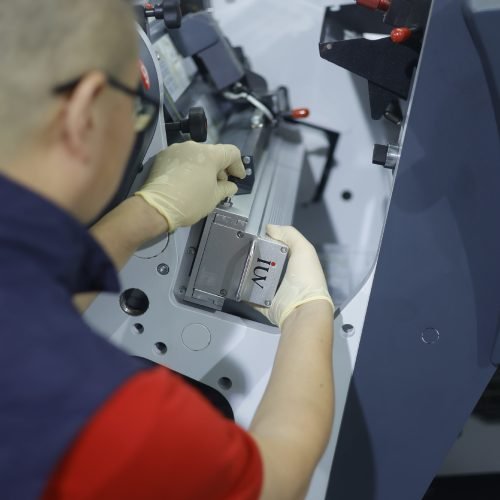
The true power emerges when these LED UV curing systems are integrated into fully automated printing presses. Automation in narrow-web printing encompasses a range of features, from automated plate mounting and ink management to sophisticated web guiding and tension control. When coupled with automated UV curing, the benefits are amplified:
1. Enhanced Throughput and Speed:
Automated UV systems eliminate the manual intervention often required for ink drying. This means presses can run at their maximum mechanical speeds without the concern of ink smudging or incomplete curing. The instantaneous nature of LED UV allows for immediate stacking or further processing, drastically reducing lead times and increasing the number of jobs that can be completed in a given period.
2. Superior Print Quality and Consistency:
UV inks, when cured properly, offer excellent adhesion, rub resistance, and vibrant color reproduction. In a fully automated system, the UV curing intensity and exposure time are precisely controlled. This consistency ensures that every print meets the same high-quality standards, regardless of the run length or speed. The minimal heat generated by LED UV also prevents substrate shrinkage, maintaining dimensional stability for precise color-to-color registration, a critical factor in multi-color jobs.
3. Reduced Waste and Material Handling:
Manual handling of printed webs is a common source of errors and waste. Automated systems minimize this risk. With instant curing, there’s no need for extended drying tunnels or intermediate cooling steps, simplifying the machine footprint and reducing opportunities for mistakes. The precise control over curing also means less chance of rework due to improper drying.
4. Substrate Versatility:
The low-heat output of LED UV is a significant enabler for printing on a wider array of substrates. This includes delicate films, foils, and thin papers that would be problematic with heat-set drying. This substrate versatility opens up new market opportunities for narrow-web converters. Whether it’s pressure-sensitive labels, shrink sleeves, or flexible packaging, automated UV systems can handle them efficiently.
5. Environmental and Safety Compliance:
As mentioned, LED UV technology is mercury-free and energy-efficient, aligning with growing environmental regulations and corporate sustainability goals. The absence of VOCs from UV inks also improves the working environment on the print floor, enhancing safety for operators. Fully automated systems further reduce operator exposure to moving machinery and inks.
Integration in Different Printing Technologies
The benefits of automated UV printing are not confined to a single press technology. They are being effectively implemented across various narrow-web platforms:
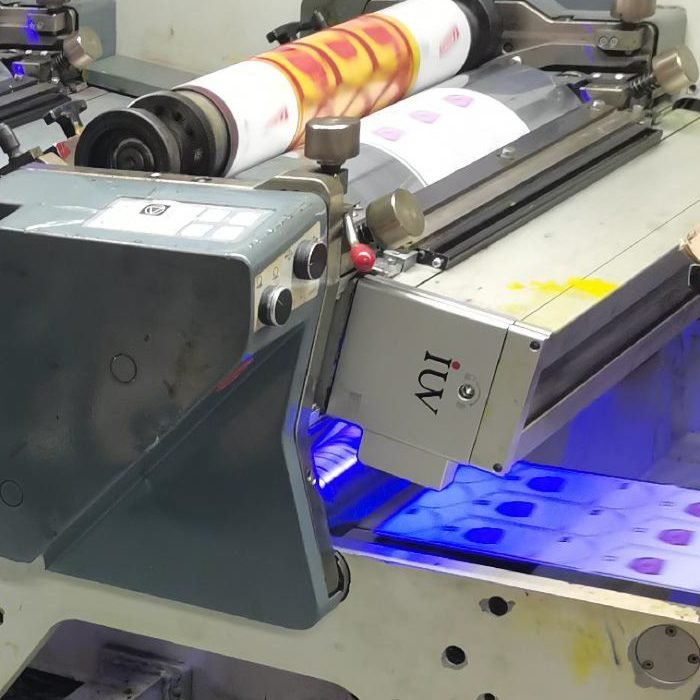
- Flexographic Printing: In flexo, automated UV curing, particularly LED UV, is crucial for high-speed production. It ensures instant curing of spot colors or process colors as they are printed, allowing for immediate overprinting without ink transfer. This is vital for vibrant, opaque colors and sharp details required in many label applications. Automated systems manage ink viscosity and transfer consistently, working in tandem with the UV units for seamless operation.
- Offset (Lithographic) Printing: Narrow-web offset presses also benefit immensely. Automated UV curing allows for the high-quality, fine dot reproduction characteristic of offset printing to be maintained at higher speeds. It enables the use of thicker ink films for greater opacity and color depth, which are then instantly cured. This is particularly advantageous for premium labels and packaging where visual impact is paramount.
- Screen Printing: While less common in traditional narrow-web, UV screen printing is used for specialized applications requiring high build inks or special effects. Automated LED UV curing ensures these thick ink layers are fully cured without extensive drying times, preserving the unique tactile qualities and opacity.
Implementing Fully Automated UV Systems: Key Considerations
Adopting a fully automated UV printing system is a strategic investment. To maximize its impact, consider these points:
- Ink Compatibility: Ensure your chosen UV inks are fully compatible with both the press technology and the specific LED UV wavelengths being used. Not all UV inks are created equal, and formulation is key for optimal performance.
- Press Integration: The UV curing units must be seamlessly integrated into the press’s control system. This allows for synchronized operation and automated parameter adjustments based on job requirements.
- Substrate Handling: The press must be equipped with robust web handling capabilities (tension control, guiding) to maintain registration and prevent web breaks, especially at high speeds enabled by instant curing.
- Operator Training: While automation reduces manual tasks, skilled operators are still needed to manage the systems, monitor quality, and perform maintenance. Training on UV technology and automated workflows is essential.
- Return on Investment (ROI): Analyze the potential cost savings from reduced energy consumption, lower waste, increased throughput, and fewer operator interventions. This will help justify the initial investment.
The Future is Bright, and Cured
The drive towards greater automation and more sustainable printing practices is undeniable. Fully automated UV printing systems, powered by efficient and reliable LED UV technology, are at the forefront of this evolution in the narrow-web sector. They offer a tangible path to higher productivity, superior quality, and greater operational flexibility. For label and flexible packaging converters looking to stay competitive, embracing these advanced systems is not just an option, it’s a strategic imperative for future success. The ability to print faster, cleaner, and with greater consistency means a stronger bottom line and a more agile business.