The packaging and labels industry is constantly striving for efficiency, and with good reason. In today’s fast-paced market, quicker turnaround times aren’t just a bonus; they’re a necessity for staying competitive. This is where automated UV printing, particularly with advancements in LED UV curing technology, is emerging as a game-changer.
The Challenge of Speed in Packaging and Labels
For decades, printers have juggled the demands of speed, quality, and cost. Traditional printing methods, while reliable, often involve lengthy drying times. For example, conventional inks require evaporation of solvents or oxidation to cure. This process can be slow, especially for multiple ink layers or dark colors, leading to bottlenecks on the production line. Imagine waiting for a label to dry completely before the next step in finishing – it’s a time thief. This delay directly impacts how quickly jobs can be completed and shipped out to clients, who themselves are under pressure to get their products to market.
Understanding UV Printing and UV Curing
UV printing utilizes ultraviolet light to cure ink, coatings, or adhesives. When exposed to UV light, these specialized formulations undergo a photochemical reaction, instantly solidifying or “curing” from a liquid to a solid state. This is a stark contrast to conventional printing, where the drying process is much slower.
There are two primary types of UV curing systems commonly found in the industry:
- Traditional Mercury Vapor Lamps: These have been the workhorse of UV curing for a long time. They are powerful and effective but come with drawbacks. They generate significant heat, require warm-up and cool-down periods, consume more energy, and contain mercury, which poses environmental concerns. They also have a finite lifespan and their output can degrade over time, affecting cure consistency.
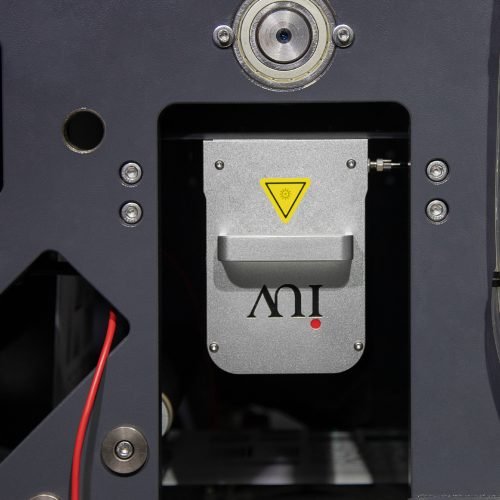
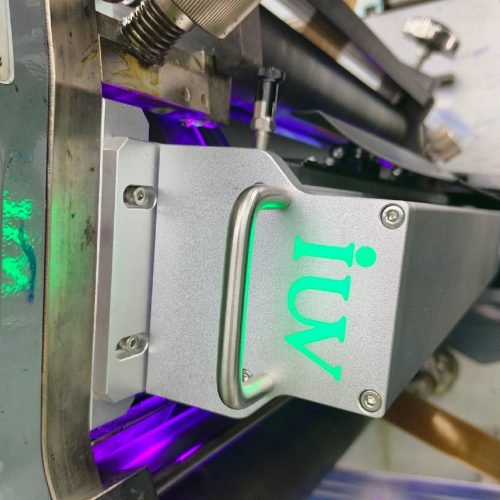
- LED UV Curing: This is where the revolution is happening. Light Emitting Diodes (LEDs) offer a more energy-efficient, environmentally friendly, and versatile solution. LEDs emit UV light at specific wavelengths, allowing for highly targeted curing. They reach full power instantly, have a much longer operational life, and produce very little heat. This low heat output is particularly beneficial for heat-sensitive substrates often used in packaging and labels, such as thin films or certain types of paperboard.
How Automation Integrates with UV Printing
The real magic happens when automated UV printing systems are combined with LED UV curing technology. Automation in printing refers to the use of machinery and technology to perform tasks that were previously done manually or with less sophisticated equipment. This can include automated ink delivery, substrate handling, color management, and, crucially, the integration of the UV curing units within the printing press itself.
In a highly automated UV printing workflow:
- Automated Setup: Digital control systems manage job setup, from plate mounting to ink density settings, minimizing manual intervention and reducing makeready times.
- Automated Ink Transfer: Precise, computer-controlled ink delivery systems ensure consistent ink laydown.
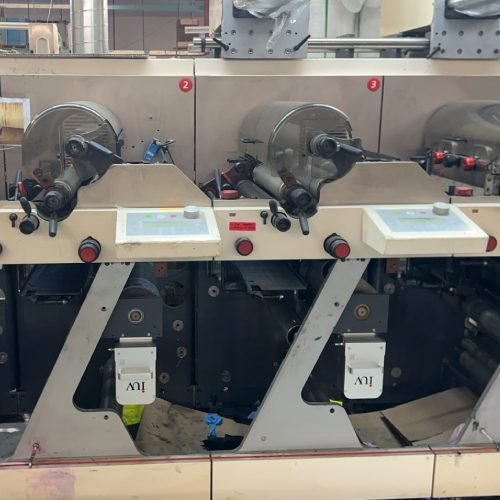
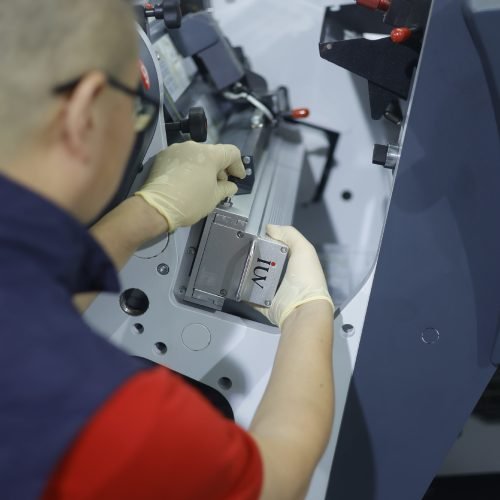
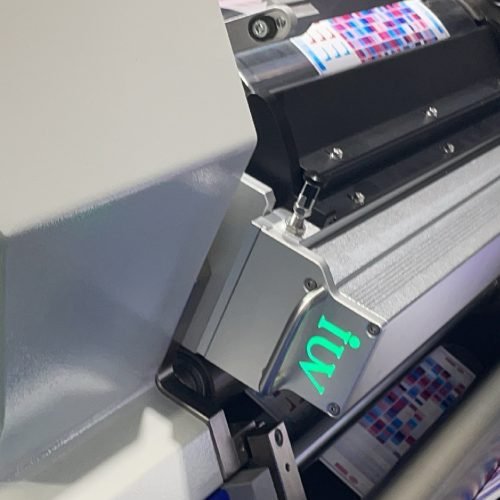
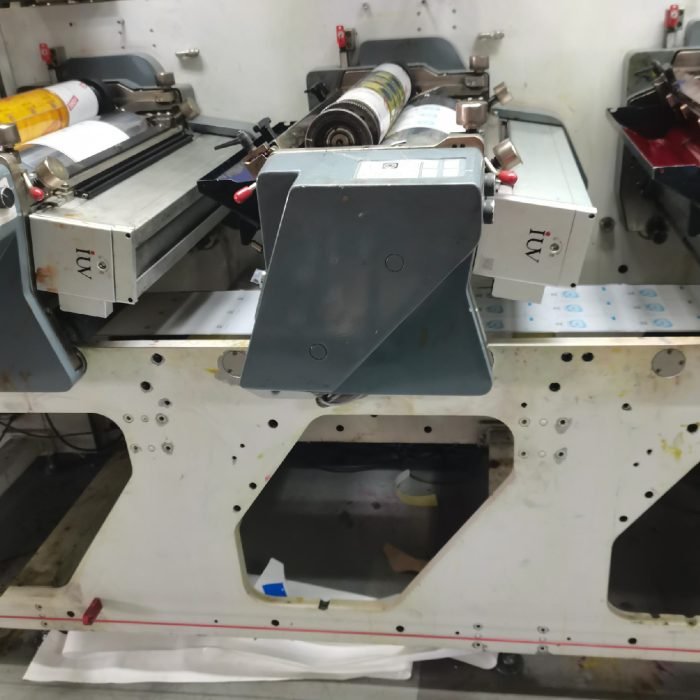
- Integrated UV Curing: LED UV lamps are positioned at strategic points along the printing press – often between print stations or at the end of the line. As the substrate moves through the press, it passes under the UV lamps, curing the ink instantaneously.
- Automated Quality Control: In-line inspection systems can monitor print quality and alert operators to any deviations, further streamlining the process.
Impact on Narrow Web Printing: Labels and Flexible Packaging
The narrow web printing sector, which predominantly serves the labels and flexible packaging markets, has been an early adopter of automated UV printing with LED UV curing. These markets demand high volumes, a wide variety of substrates, and extremely tight deadlines.
- Labels: Consider the label for a new beverage that needs to be on shelves by next week. With automated UV printing, multiple label designs can be printed back-to-back with minimal downtime. The instantaneous curing means labels can be immediately cut, finished, and packed without waiting for ink to dry. This is especially critical for labels with special finishes like spot varnishes or metallic effects, which UV inks and coatings excel at.
- Flexible Packaging: For food packaging, cosmetics, or pharmaceutical products, speed to market is paramount. Automated UV printing allows for the production of short runs of custom packaging much faster than traditional methods. The ability to cure inks instantly on a variety of plastic films and foils, without excessive heat, preserves the integrity and appearance of the packaging material.
Benefits for Flexography and Offset Printing
Automated UV printing isn’t limited to one printing process. Both flexography and offset printing can benefit significantly.
- Flexographic Printing (Flexo): Flexo is a dominant force in narrow web label and flexible packaging printing. Integrating LED UV curing into flexo presses allows for faster press speeds. This means more labels or packaging units can be produced in the same amount of time. The ability to overprint colors immediately without smudging is also a major advantage, leading to richer colors and more complex designs. Furthermore, UV-curable inks used in flexo often have excellent adhesion and durability, which are essential for product labels that need to withstand handling and various environmental conditions.
- Offset Printing (Lithography): While traditionally associated with longer runs and sheetfed applications, offset printing is also adapting. In sheetfed offset, automated UV curing allows sheets to be stacked and moved to the next finishing process immediately. This dramatically reduces the risk of set-off (ink transferring from one sheet to another) and eliminates the need for anti-set-off powders, which can interfere with post-press operations like lamination or spot UV coating. For narrow web offset, the benefits mirror those seen in flexo, enabling faster production cycles.
Specific Advantages of LED UV Curing
The move towards LED UV curing, in particular, amplifies the advantages of automated UV printing:
- Instantaneous Curing: This is the core benefit. No drying time means no waiting. Jobs move from the press to finishing and shipping much faster.
- Reduced Energy Consumption: LEDs are significantly more energy-efficient than mercury lamps, leading to lower operating costs and a reduced carbon footprint.
- Lower Heat Emission: This is crucial for printing on heat-sensitive substrates like thin plastics and foils commonly used in packaging and labels. It prevents substrate distortion and maintains print quality.
- Longer Lamp Life and Consistency: LEDs have a much longer lifespan and their UV output remains consistent throughout their life, ensuring reliable curing and predictable results job after job.
- Instant On/Off: Unlike mercury lamps that need warm-up and cool-down, LEDs are ready immediately. This is particularly useful in automated workflows where the UV units might be cycled on and off between different jobs or even within a single job.
- Environmental Friendliness: LEDs do not contain mercury, making them a greener alternative.
Streamlining the Production Workflow
The integration of automated UV printing with LED UV curing directly impacts the entire production workflow:
- Reduced Lead Times: This is the most obvious benefit. Clients get their printed materials faster, allowing them to launch products sooner or respond quickly to market demands.
- Increased Throughput: Presses can run at higher speeds without sacrificing quality, meaning more jobs are completed within a given timeframe.
- Lower Operational Costs: Reduced energy consumption, less waste due to faster makeready, and longer component lifespans all contribute to cost savings.
- Enhanced Product Quality: The precise control offered by automation and the consistent curing from LED UV systems lead to superior print quality, sharper details, and vibrant colors. The ability to apply UV coatings for special effects is also enhanced.
- Greater Flexibility for Short Runs: Automated UV printing makes short runs of packaging and labels economically viable, catering to the growing demand for personalization and smaller batch production.
The Future is Automated and UV-Cured
The trend towards automated UV printing, especially with the maturation of LED UV technology, is not just a temporary fix; it’s a fundamental shift in how packaging and labels are produced. For printers looking to boost efficiency, improve quality, and remain competitive, embracing this technology is becoming increasingly essential. It allows businesses to respond faster to market needs, deliver exceptional products, and operate more sustainably. The key to faster turnaround in packaging and labels is, without a doubt, automated UV printing.