In the demanding world of label and packaging printing, achieving exceptional durability on coated materials is paramount. Coated substrates offer a smooth, premium surface, ideal for vibrant graphics and sharp text. However, they also present unique challenges for ink adhesion and curing. Traditional curing methods can struggle to fully penetrate and solidify inks on these surfaces, leading to prints that are prone to scratching, scuffing, and premature fading. This is where high-intensity LED UV curing technology emerges as a game-changer.
The Challenge of Coated Substrates in Printing
Coated papers and films are engineered to provide a superior print surface. This coating, often a clay or calcium carbonate blend with binders, fills the paper’s pores, creating a smooth, non-absorbent layer. While beneficial for print quality, this non-porous nature makes it difficult for inks to bond effectively. Solvent-based inks can struggle to evaporate completely, and conventional UV-cured inks may not achieve full polymerization, especially in thicker laydowns.
This incomplete curing can result in several print defects:
- Poor Rub Resistance: Prints easily scratch or scuff off, diminishing product appeal and integrity.
- Chemical Susceptibility: Inks can be damaged by exposure to oils, solvents, or cleaning agents.
- Reduced Lightfastness: Colors may fade more quickly when exposed to UV light.
- Delamination Issues: Ink layers might peel away from the substrate over time.
For narrow web printers, particularly those in the flexographic and offset printing sectors producing labels for consumer goods, food and beverage, or pharmaceuticals, these durability concerns directly impact brand reputation and product safety.
Understanding UV Curing: Traditional vs. LED
UV curing utilizes ultraviolet light to initiate a photochemical process called polymerization. This process transforms liquid ink into a solid, durable film almost instantaneously.
Traditional Mercury Vapor Lamps: For many years, mercury vapor lamps were the standard in UV curing. These lamps emit UV light across a broad spectrum, including significant heat and ozone. While effective, they have drawbacks:
- High Heat Output: Can cause substrate distortion, especially on heat-sensitive films.
- Energy Inefficiency: Consume substantial power and require frequent lamp replacement.
- Ozone Generation: Requires ventilation and specialized exhaust systems.
- Inconsistent Output: Lamp intensity degrades over time, necessitating regular checks and replacements.
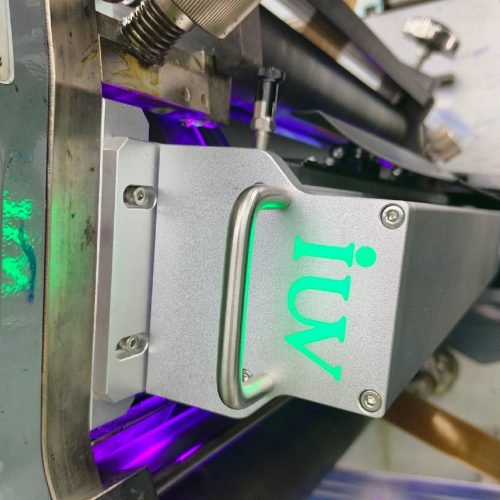
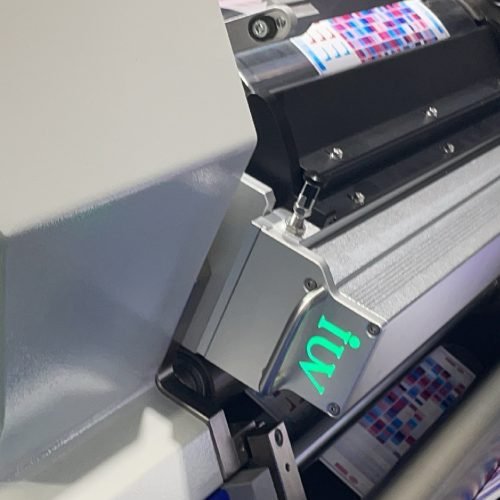
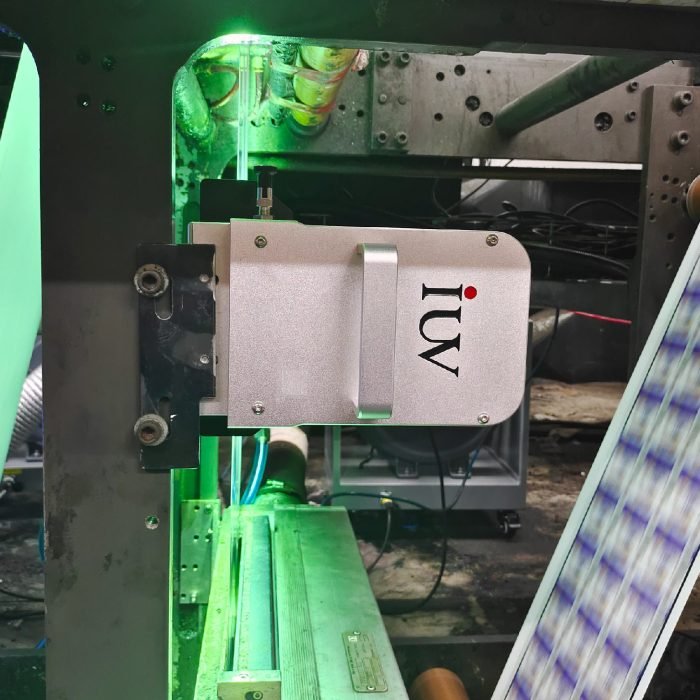
High-Intensity LED Curing: Light Emitting Diodes (LEDs) represent a significant advancement. Unlike mercury lamps, LEDs emit UV light within a very narrow, specific wavelength range. High-intensity LED systems are engineered to deliver a powerful, focused beam of UV energy.
The advantages of LED curing are numerous:
- Targeted Wavelengths: LEDs can be designed to emit the precise wavelengths required to cure specific UV inks and coatings, maximizing efficiency.
- Lower Heat Emission: LEDs generate significantly less heat than mercury lamps, protecting sensitive substrates and reducing the need for extensive cooling systems.
- Energy Efficiency: They consume far less power and have a much longer lifespan (tens of thousands of hours), leading to substantial operational cost savings.
- Instant On/Off: No warm-up or cool-down period is needed, allowing for immediate stop-and-start printing without compromising cure.
- Consistent Output: LED performance remains stable throughout their operational life, ensuring predictable and reliable curing.
- Environmental Benefits: No ozone generation, eliminating the need for exhaust systems and contributing to a safer working environment.
The Role of High-Intensity LED in Coated Material Durability
The success of high-intensity LED curing on coated materials hinges on its ability to deliver concentrated UV energy precisely where it’s needed. Here’s how it specifically benefits durability:
- Deep and Efficient Polymerization: High-intensity LED systems, particularly those operating at specific, high-energy wavelengths, can drive the photoinitiators in UV inks more effectively. This leads to a more complete and robust polymerization of the ink film. On coated surfaces, where ink penetration is limited, this thorough curing at the surface level is critical for creating a strong, cross-linked polymer matrix.
- Enhanced Adhesion: The intense, focused UV light promotes superior bonding between the ink and the coated substrate. This is because the energy facilitates better chemical reactions at the ink-substrate interface. For flexographic and offset printing on challenging coated stocks, where ink film thickness can be precisely controlled, this focused curing ensures that even thin ink layers achieve maximum adhesion.
- Superior Scratch and Abrasion Resistance: A well-cured ink film is inherently harder and more resistant to mechanical stress. The high energy delivered by LED systems ensures that the ink cures into a dense, hard surface that can withstand the rigors of handling, packaging, and transportation. This is vital for label applications that are frequently handled by consumers.
- Improved Chemical Resistance: Complete polymerization creates a less permeable ink film, making it more resistant to chemicals, oils, and solvents. This is crucial for labels on products that may be exposed to various substances, such as cleaning supplies or food products.
- Color Stability and Lightfastness: The intense UV light, when properly configured with the right ink chemistry, can lead to inks that are less prone to photo-degradation. This means colors remain vibrant and true for longer, even when exposed to light.
Applications in Narrow Web Printing: Flexo and Offset
Flexographic Printing: In narrow web flexo, especially for labels and flexible packaging, high-intensity LED curing is transforming durability. The precise ink transfer in flexography can be perfectly complemented by LED curing, ensuring that even thin ink films achieve excellent adhesion and toughness on coated films and papers. Printers can achieve faster press speeds without sacrificing cure quality, leading to increased productivity.
Offset Printing: Narrow web offset printers producing high-quality labels and short-run packaging also benefit immensely. LED curing allows for quicker turnaround times and eliminates the heat-related issues that can plague offset printing on certain coated stocks. The enhanced durability ensures that intricate graphics and fine text remain pristine on premium labels.
Ink and Coating Formulations for LED Curing
The effectiveness of LED curing is also dependent on the ink and coating formulations. Modern UV inks and coatings are specifically designed to be compatible with LED wavelengths. These formulations contain photoinitiators that are highly sensitive to the narrow bandwidths emitted by LEDs.
When selecting inks and coatings for use with high-intensity LED curing on coated materials, consider:
- LED-Specific Formulations: Opt for inks and coatings explicitly labeled for LED curing.
- Wavelength Compatibility: Ensure the ink is formulated to cure optimally at the specific wavelengths of your chosen LED system (e.g., 365nm, 385nm, 395nm, 405nm).
- Energy Requirements: Different inks will have varying energy (mJ/cm²) requirements for full cure. High-intensity LED systems provide the necessary power to meet these demands efficiently.
- Substrate Interaction: The coating on the substrate can influence ink wettability and adhesion. Choosing the right ink chemistry will ensure optimal performance.
Implementing High-Intensity LED Curing: Key Considerations
Successfully integrating high-intensity LED curing into a narrow web printing operation involves a few key aspects:
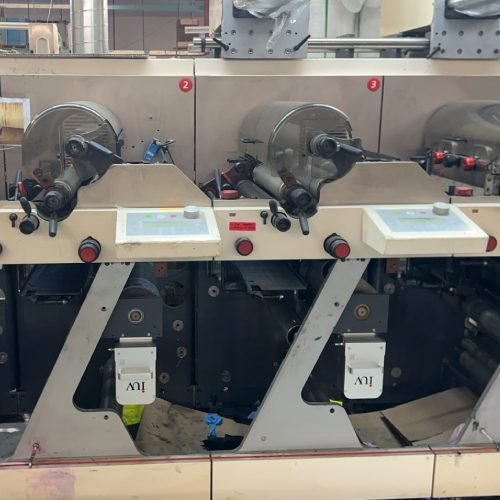
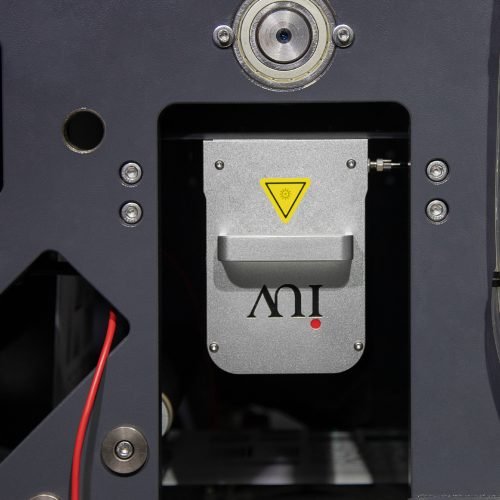
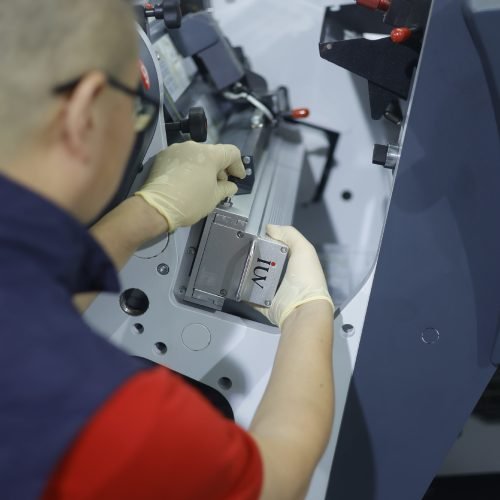
- Press Integration: LED curing units are designed to be retrofitted or integrated into new presses. The compact nature of LED heads allows for easy installation even in space-constrained narrow web machines.
- Power Requirements: Ensure your press and facility can accommodate the electrical demands of high-intensity LED systems.
- Exhaust and Ventilation: Unlike mercury lamps, LEDs do not produce ozone, simplifying ventilation requirements and improving air quality.
- Maintenance and Monitoring: While LEDs have a long lifespan, regular checks ensure optimal performance. Monitoring UV irradiance (mW/cm²) and accumulated energy (J/cm²) is crucial for process control and consistency.
The Future of Durable Prints on Coated Materials
The drive for greater sustainability, faster turnaround times, and superior product quality continues to push the boundaries of printing technology. High-intensity LED UV curing offers a compelling solution for printers working with coated materials. By providing efficient, powerful, and consistent curing, it unlocks new levels of print durability, improves operational efficiency, and contributes to a more environmentally friendly printing process. For narrow web printers in flexography and offset, embracing this technology is not just an upgrade; it’s a strategic move to stay competitive and deliver exceptional results on the most demanding substrates.