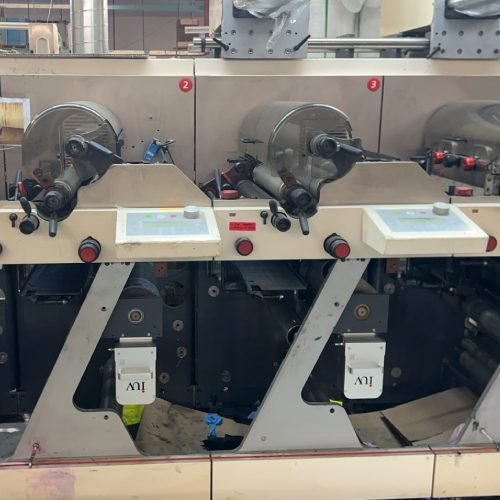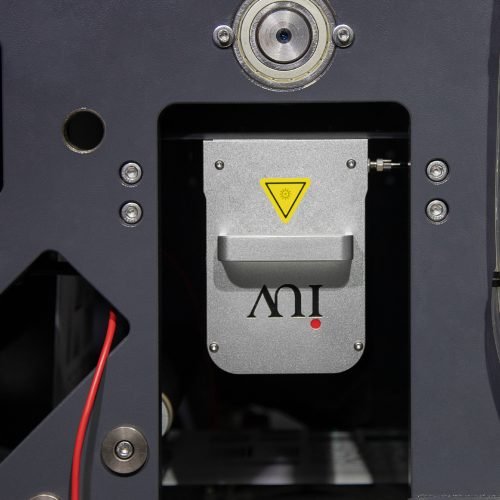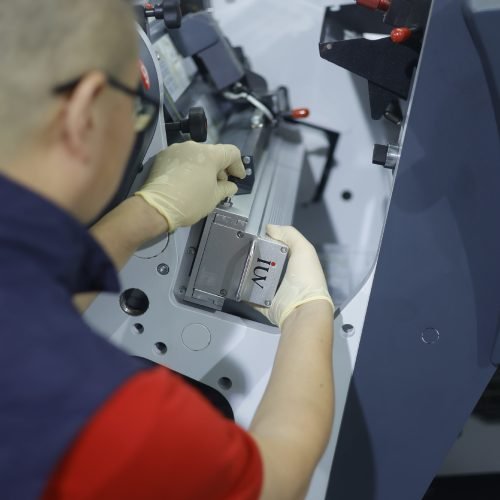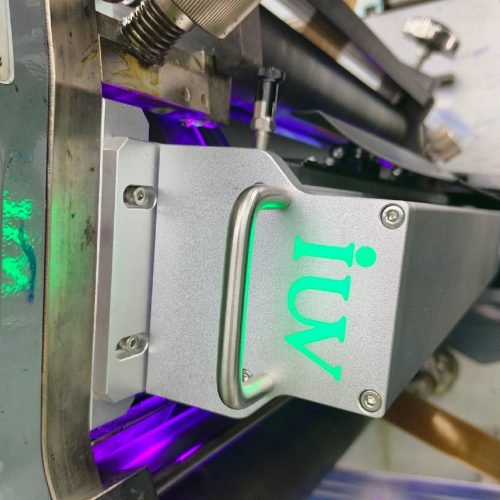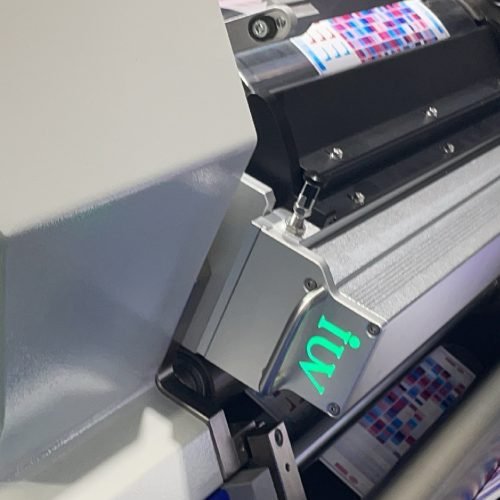
LED UV curing has reshaped how specialty labels are finished. It brings speed, efficiency, and a broader choice of finishes. For label presses using flexography, gravure, or narrow web processes, the choice of LED curing is not just a lamp swap. It changes ink chemistry, substrate behavior, and the way finishes like gloss, matte, metallics, and tactile coatings perform. This article connects LED UV curing fundamentals with practical implications for label printing. It highlights how finishes behave on common substrates and how press setups adapt across flexo, gravure, and narrow web platforms.
LED UV Curing Fundamentals for Specialty Labels
LED UV systems operate at narrow wavelengths, typically around 395 to 420 nanometers. These LEDs produce light that triggers photoinitiators in UV inks and coatings. The result is rapid polymerization with minimal heat input to the substrate. For labels, the low heat helps preserve sensitive films and pre-printed patterns. It also reduces substrate distortion that can occur with traditional mercury lamps. Dose control matters: cure energy is a function of lamp power, web speed, ink film thickness, and wavelength match to the ink’s photoinitiators. In practice, achieving a consistent cure means aligning ink formulation with the LED source and matching press speed to the available dose.
Inks, coatings, and the chemistry of cure
LED-curable inks and varnishes rely on rapid reactions that crosslink resins with photoinitiators. The chemistry affects gloss, hardness, and resistance to scuff and chemicals. For specialty labels, this means bold colors, fine lines, and reliable varnish performance. Some formulations include reactive monomers that promote strong adhesion to PET, paper, or foil substrates. Others use hybrid systems designed to balance fast cure with flexibility to prevent cracking in curved label shapes. The right balance helps prevent issues like orange peel, microcrazing, or ink holdout problems near varnish boundaries.
Substrate compatibility and surface energy
Label substrates vary from coated papers to PET, PE, and metalized films. LED curing interacts with surface energy differently than UV mercury systems. A substrate with low surface energy benefits from primers or tackifiers in the ink system to promote adhesion. Foil or pearlized papers may require careful ink film thickness control to avoid blocking or set-off in multi-pass workflows. In practice, substrate choice drives ink chemistry decisions and the need for post-press handling, such as lamination or protective coatings.
Impact on Finishes: Gloss, Matte, and Specialty Effects
Special finishes rely on the interplay between ink film, varnish, and the curing system. LED UV enables rapid, uniform curing that supports higher gloss and sharper relief in many cases. For matte or satin finishes, control of surface texture during cure becomes important. Some matte varnishes rely on a precise crosslink density to maintain a soft tactile feel while resisting fingerprinting. For metallics and pearlescents, pigment dispersion and substrate reflectivity determine perceived brightness after cure. LED cures can accentuate or soften these effects depending on dose and film thickness. When approaching specialty effects like soft-touch or tactile coatings, the cure threshold must be calibrated to avoid partial cure that dulls the intended effect.
Flexography and LED UV: Process Considerations
Flexo relies on rotating anilox rolls to meter ink onto the plate and substrate. With LED UV, the ink chemistry and cure window influence plate tolerance, line crispness, and dot gain control.
- Ink viscosity and rheology: UV flexo inks often require higher shear resistance. The press must maintain stable viscosity across runs to avoid slumping or spreading when a raised element or a fine line is printed.
- Film thickness and dot sharpness: Narrow web flexo demands tight control of ink laydown. Excessive ink volume can create cure shadows where the light cannot fully penetrate, leading to gloss variation or white spot throughs in darker colors.
- Anilox selection: The choice of anilox cell geometry influences ink film and cure uniformity. Higher line counts may need different energy dosing to ensure a full cure across the web width.
- Plate compatibility and press geometry: UV flexo plates tolerate fast curing, but plate-to-substrate compatibility remains critical. Adhesion tests on test sheets help gauge performance with final varnishes and protective coatings.
Gravure and LED UV: High-Quality Finishes with Deep Color
Gravure uses engraved cylinders to transfer ink. UV-curable gravure inks and coatings enable rapid cure and strong adhesion to many substrates. Key considerations include:
- Ink transfer and reservoir management: Gravure inks often exhibit strong pigment loading. LED curing must penetrate thick ink layers to ensure complete cure without cracking or color shift.
- Surface gloss and tonal range: The deep blacks and vibrant primaries achievable with gravure benefit from a well-tuned LED dose. Inadequate cure can lead to haze or hazy highlights in high-gloss areas.
- Drying dynamics and web tension: The fast cure of LED systems reduces web cooldown between passes. This helps maintain registration but requires stable tension to prevent curl and misregistration, especially on narrow web formats.
- Finish compatibility: When combining gravure ink with an overprint varnish or soft-touch overlay, cure energy must reach through both layers. This ensures adhesion between coatings and ink without blocking or sticking during lamination.
Narrow Web Printing: Speed, Precision, and Finish Consistency
Narrow web presses are optimized for high-speed label production. LED UV curing aligns well with this objective, offering quick turnaround for jobs with tight deadlines.
- Speed and dose mapping: Narrow web lines often run at high speeds. Dose mapping across the web ensures uniform cure from edge to edge, preventing streaks or color variation.
- Substrate variety: Narrow web labels may use PET, PVC, or paper stock. Each substrate responds differently to LED curing, affecting gloss uniformity and scratch resistance.
- Multi-pass work: When finishing requires tiered coatings, LED UV can cure layers quickly, enabling efficient stacking of base color, spot varnish, and protective topcoats without long dwell times.
Quality Control: Verifying Cure, Adhesion, and Finish
Quality control is essential to prevent rework in specialty label runs. A few practical checks help assure consistent results.
- Radiant energy and dose verification: Use a calibrated radiometer to confirm irradiance across the web width and speed range. Ensure the dose matches the ink and coating’s specification.
- Visual inspection for cure integrity: Look for areas with dull or hazy finishes that indicate under-cure. Check for pinholes, orange peel, or scuffing in high-contact zones.
- Adhesion testing: Perform quick cross-hatch or peel tests on representative samples, especially where a protective overprint or lamination will occur.
- Surface energy and ink pull tests: Evaluate adhesion of subsequent coatings under simulated field conditions. If edges lift or varnish delamination appears, adjust formulation or cure dose.
- Gloss and color stability: Measure gloss with a gloss meter and check color density against standard swatches. LED cures can alter gloss in unexpected ways if the dose isn’t consistent.
Practical Workflow Guidelines for Label Plants
Implementing LED UV cure across flexo, gravure, and narrow web lines requires aligned process control. Consider the following workflow tips.
- Pre-press formulation: Start with a substrate and finish plan. Choose UV inks and varnishes designed for LED cure and compatible with the chosen substrate. If you aim for metallics or pearlescent finishes, request pigment dispersion data and cure curve charts from suppliers.
- On-press setup: Calibrate lamp age, output, and cooling for stable performance. Check that the LED head is properly aligned with the web. Perform a quick cure check on a sample sheet before running a full job.
- Ink film management: Keep ink films within recommended thickness for the chosen line speed. Too thick a film risks under-cure at high speeds; too thin may cause wash or blocking when coatings are added.
- Post-press finishing: If applying a protective topcoat, verify cure-through with the underlayers. Some topcoats require a slightly higher dose; others may cure adequately with the base layer alone.
- Maintenance and troubleshooting: Schedule periodic cleaning of the LED lenses and ensure cooling fans are functioning. Reassess cure performance after press maintenance or ink changes.
Durability and End-Use Performance
LED UV-curable finishes typically offer excellent resistance to abrasion, solvents, and moisture. For specialty labels that endure outdoor exposure or humedad, choose UV coatings with proven weatherability. On metalized or pearlized substrates, ensuring full cure helps prevent cracking and dulling over time. The durability of tactile or soft-touch finishes depends on crosslink density; adjust the dose to balance softness with resistance. Proper cure also supports adhesive integrity for protective laminates or downstream conversion steps.
Common Pitfalls and How to Avoid Them
- Under-cure in dense ink areas: Increase dose or reduce ink film thickness in those zones. Consider a targeted cure pass if necessary.
- Stripes or banding: Check lamp uniformity and web tension. A re-check of alignment and calibration may reveal non-uniform exposure.
- Adhesion issues with primers: If adhesion tests fail, revisit substrate surface pretreatment or switch to a primer compatible with LED-curable inks.
- Post-coat incompatibility: Ensure the topcoat cures through the base ink. If not, adjust cure dose or sequence.
Future Trends in LED UV for Label Finishes
As LED UV chemistry evolves, expect more robust adhesive systems and a broader range of specialty finishes. Inks with advanced photoinitiators will offer faster cure with lower energy. There will be continued emphasis on color consistency, higher gloss control, and improved durability for outdoor labels. The intersection of LED curing with smart labels and tactile effects will push development in holographic and pigmented finishes. Presses will likely feature tighter dose mapping, in-line inspection, and automatic adjustments to maintain uniform cure across varying web widths and speeds.
Conclusion
LED UV curing brings meaningful advantages for specialty label finishes across flexography, gravure, and narrow web printing. It supports faster production, better substrate compatibility, and a wider array of finishes—from high-gloss to matte and tactile effects. The key to success lies in aligning ink chemistry with cure dose, selecting compatible substrates, and implementing precise quality controls. When carefully executed, LED UV curing delivers durable, vibrant labels with consistent finishes that meet the demands of modern packaging and product branding.