The quest for exceptionally vibrant and durable colors is a constant pursuit in the printing industry, especially within the demanding realm of label and narrow web applications. Offset printing, renowned for its precision and quality, has witnessed a significant technological leap with the advent of high-intensity LED UV curing. This innovative approach not only streamlines production but also dramatically elevates the visual impact of printed materials, making colors pop with an intensity previously difficult to achieve.
The Foundation: Understanding Offset Printing and UV Curing
Offset printing, specifically sheet-fed and web offset, has long been the workhorse for producing high-quality graphics and text. Its principle of indirect transfer, where ink is applied to a blanket and then to the substrate, allows for fine detail and consistent results. When it comes to UV curing, traditional methods employed mercury vapor lamps. These lamps emit a broad spectrum of UV light, effective but also generating considerable heat and ozone, requiring robust ventilation and energy expenditure.
UV curing, in essence, uses ultraviolet light to instantaneously solidify liquid inks, coatings, or adhesives. This process transforms a liquid into a solid film, offering immediate handling, enhanced durability, and improved resistance to abrasion and chemicals.
The LED Revolution: A Brighter, Cooler Future
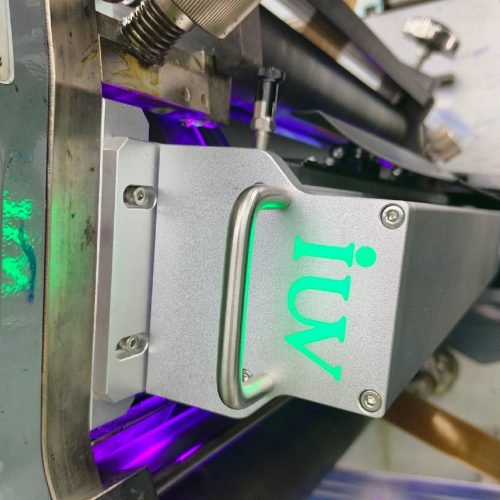
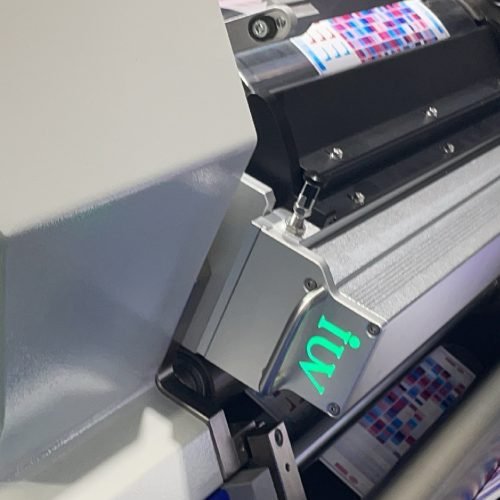
High-intensity LED UV curing represents a paradigm shift. Instead of broad-spectrum mercury lamps, LEDs emit UV light at specific wavelengths, precisely matched to the photoinitiators within UV inks and coatings. This targeted approach brings several transformative advantages:
- Specific Wavelength Emission: LEDs can be engineered to emit light at precise wavelengths (e.g., 365 nm, 395 nm). This specificity ensures a more efficient and complete curing of the ink, leading to better ink film formation and, consequently, more vibrant color reproduction.
- Lower Heat Output: Compared to mercury lamps, LEDs generate significantly less heat. This is a game-changer for heat-sensitive substrates commonly used in label printing, such as certain plastics and foils. Reduced heat means less substrate distortion, fewer registration issues, and the ability to print on a wider range of materials.
- Instantaneous, High-Intensity Output: High-intensity LED systems deliver a powerful punch of UV energy immediately upon activation. This rapid and potent curing is critical for achieving sharp details and preventing ink spread, allowing colors to remain crisp and distinct.
- Energy Efficiency: LEDs are far more energy-efficient, consuming a fraction of the power of traditional UV lamps. This translates to lower operational costs and a reduced environmental footprint, a growing concern for many brand owners.
- Longer Lifespan and Reduced Maintenance: LED lamps have a much longer operational life than mercury lamps, significantly cutting down on replacement costs and minimizing production downtime for lamp changes.
The Impact on Color Vibrancy in Offset Printing
The interplay between high-intensity LED curing and offset printing unlocks a new level of color vibrancy. Here’s how:
1. Optimized Ink Curing and Film Formation:
When UV inks are exposed to the specific wavelengths emitted by LEDs, the photoinitiators trigger a rapid polymerization process. High-intensity LEDs ensure this polymerization is thorough and complete. This results in a denser, more uniform ink film. A well-formed ink film is crucial for reflecting light effectively. In offset, where ink layers can be precisely controlled, this optimized film formation means colors are rendered with greater depth and saturation, appearing more vivid and true to their intended shade.
2. Reduced Ink Spread and Enhanced Dot Sharpness:
The instant, high-intensity curing provided by LEDs freezes the ink in place almost immediately upon application. In offset printing, this prevents the ink from spreading, especially on less absorbent substrates common in label applications. Sharper dots and finer lines mean cleaner transitions between colors and a more defined image. This clarity directly contributes to the perception of color vibrancy, as colors are not blurred or diluted by ink spread.
3. Superior White Ink Opacity and Brilliance:
For labels, a bright and opaque white underlay is fundamental to making subsequent colors stand out, particularly on transparent or metallic substrates. High-intensity LED curing ensures that white UV inks cure rapidly and form a dense, opaque layer. This provides an exceptional foundation, allowing process colors (CMYK) and spot colors to achieve their maximum chromatic intensity without being dulled by the substrate beneath.
4. Wider Color Gamut Potential:
By achieving better ink film integrity and preventing ink spread, LED curing enables offset presses to reproduce a wider range of colors. This means that the printer can achieve brighter reds, deeper blues, and more striking yellows that are closer to the original digital artwork. The precise control over the curing process allows for a more faithful translation of the digital design into a physical print.
5. Enhanced White Point and Contrast:
The efficiency of LED curing contributes to a cleaner “white point” in the printed image. This means that unprinted areas or areas intended to be white remain bright and free from yellowing or ghosting often associated with less efficient curing methods. A clean white point dramatically increases the overall contrast of the printed piece, making all colors appear more impactful and vibrant by comparison.
Applications in Label and Narrow Web Printing
The benefits of high-intensity LED curing are particularly pronounced in the narrow web and label printing sectors:
- Pressure-Sensitive Labels: Whether for food and beverage, pharmaceuticals, or cosmetics, labels demand eye-catching aesthetics. LED curing ensures that labels printed on various films and papers maintain their color integrity and brilliance, resisting scuffing and fading during transport and in retail environments.
- Shrink Sleeves: These labels require flexibility and durability. The low-heat output of LEDs prevents deformation of the shrink sleeve material during printing, while the efficient curing ensures colors remain vibrant even after the shrinking process.
- In-Mold Labels (IMLs): Used in high-volume plastic product manufacturing, IMLs need to be robust and visually striking. LED curing provides the necessary durability and color fastness for these demanding applications.
- Flexible Packaging: While often associated with flexography, offset printing is increasingly used for short-to-medium run flexible packaging. Here, LED curing is invaluable for achieving brilliant colors on a variety of film substrates, ensuring brand impact at the point of sale.
Integrating High-Intensity LED Curing into Offset Workflows
Successfully implementing high-intensity LED curing involves a few key considerations:
- Ink Formulation: Work with ink manufacturers specializing in UV inks designed for LED curing. These inks contain specific photoinitiators that react optimally to the targeted wavelengths of LED lamps.
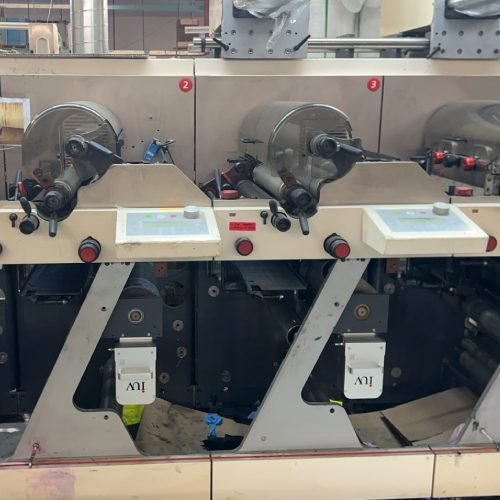
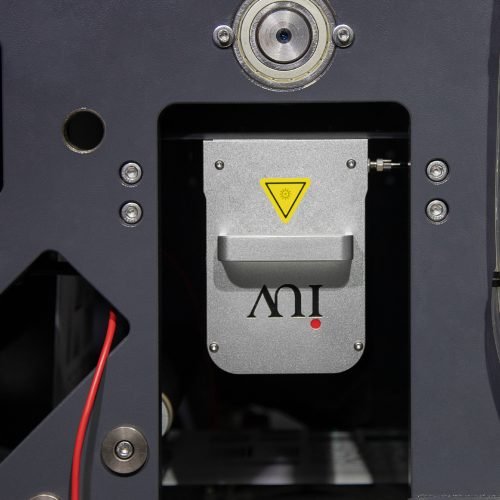
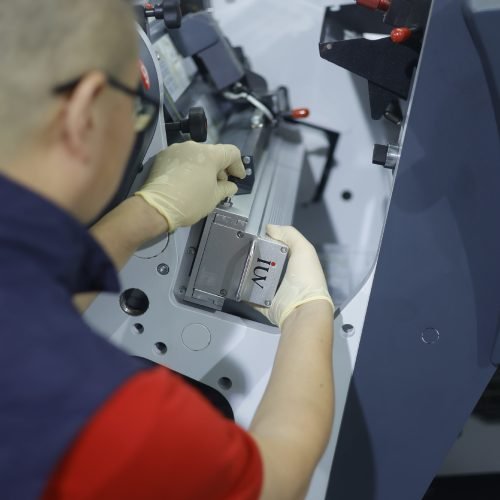
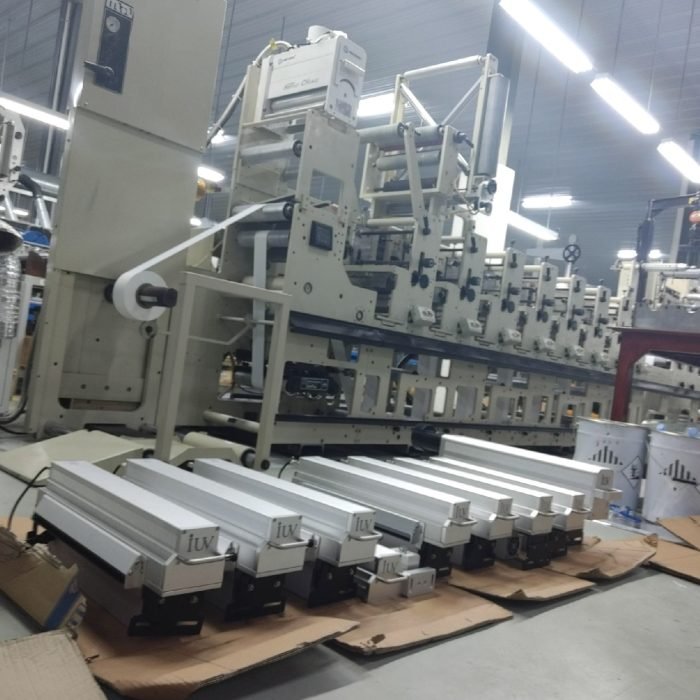
- Press Compatibility: Ensure your offset press is equipped with compatible LED UV curing units. Retrofitting is often possible, and reputable manufacturers offer solutions tailored to various press models.
- Substrate Testing: While LEDs are gentler on substrates, it’s always wise to test new materials to confirm optimal curing and adhesion.
- Maintenance and Monitoring: While LEDs require less maintenance, occasional checks on lamp output and alignment are good practice to ensure consistent performance.
The Future of Vibrant Offset Prints
High-intensity LED UV curing is not just an upgrade; it’s a fundamental enhancement to offset printing capabilities, especially for the dynamic label and narrow web markets. By offering superior color vibrancy, enhanced durability, improved substrate compatibility, and greater energy efficiency, it empowers printers to deliver visually stunning products that meet the evolving demands of brands and consumers alike. The ability to achieve truly exceptional color brilliance through this advanced technology ensures that offset printing remains a leading choice for quality-conscious applications.