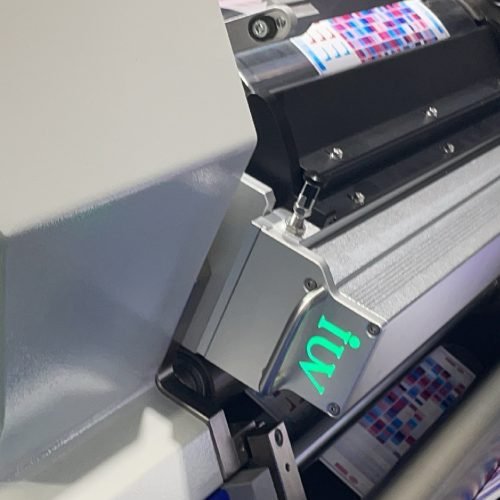
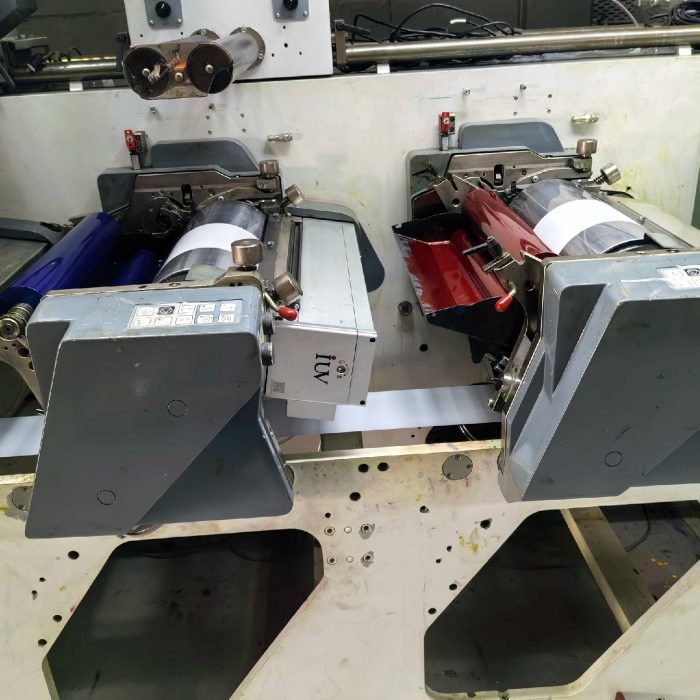
In the competitive world of print, achieving razor-sharp images and text isn’t just a preference; it’s a necessity. Whether you’re producing high-end labels, vibrant packaging, or crisp commercial prints, the clarity of your output directly impacts brand perception and customer satisfaction. For years, printers have strived for this perfection, employing various inks, substrates, and drying methods. Today, a significant leap forward is being made through the integration of smart automated UV curing technologies. This isn’t just about drying ink faster; it’s about fundamentally enhancing the quality and sharpness of every print.
The core challenge in achieving sharp prints lies in controlling the ink’s behavior from application to final set. Traditional drying methods, like heat or air drying, can sometimes lead to ink spread or loss of detail. This is particularly true for high-speed printing processes like flexography and offset lithography, where precision is paramount. The advent of UV curing offered a revolutionary solution, but the “smart” evolution takes this a step further, offering unprecedented control and optimization.
Understanding the UV Curing Advantage
UV curing uses ultraviolet light to initiate a photochemical process. This process causes liquid ink, or more accurately, a photopolymer, to instantly transform into a solid, durable film. Unlike conventional inks that rely on solvent evaporation or oxidation, UV inks contain photoinitiators. When exposed to specific wavelengths of UV light, these photoinitiators absorb the energy and create reactive molecules. These molecules then rapidly link together, forming a cross-linked polymer network.
The key benefits of UV curing for print sharpness are manifold:
- Instantaneous Curing: The speed of UV curing means there’s minimal time for the ink to spread or bleed on the substrate. This “pinning” effect locks the ink exactly where it’s applied, preserving fine details and sharp edges.
- Low VOCs: UV inks are typically 100% solids, meaning they contain no volatile organic compounds (VOCs). This not only benefits the environment and operator health but also contributes to a more stable ink film, reducing the risk of changes in ink viscosity that could affect print quality.
- Durability: The cured UV ink forms a highly cross-linked, robust film. This results in prints that are resistant to scratching, scuffing, and chemicals, ensuring the sharpness and integrity of the image are maintained over time.
- Versatility: UV-curable inks and coatings can be applied to a wide range of substrates, from porous papers to non-porous plastics and foils, each requiring specific curing parameters.
The Rise of Smart Automation in UV Curing
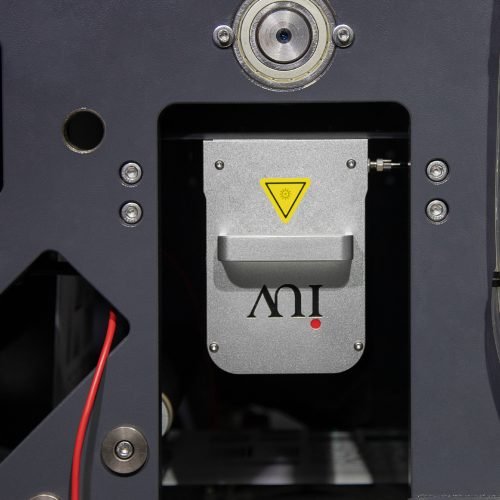
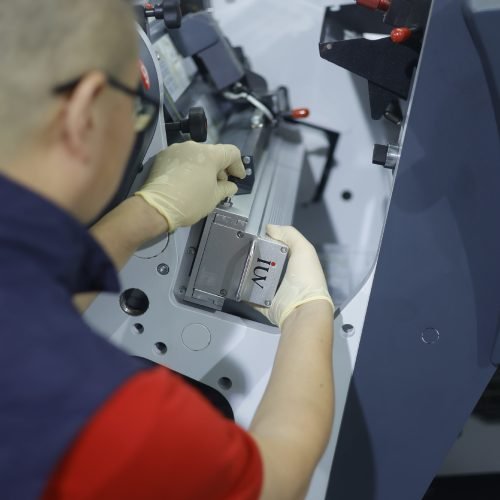
While traditional UV curing systems provided significant advantages, they often operated with fixed parameters. “Smart” automated UV curing technologies introduce a new level of intelligence and adaptability. These systems go beyond simple on/off functionality. They incorporate advanced sensors, sophisticated control software, and often, integration with the printing press’s own management systems.
This automation focuses on dynamically adjusting the UV curing process to the specific demands of each job. Consider the variables involved: different ink formulations (including specialty inks for metallic effects or high-opacity whites), diverse substrate types and colors, varying print speeds, and the desired level of finish. Each of these factors influences how effectively UV light can penetrate and cure the ink layer.
Optimizing Sharpness in Label and Narrow Web Printing
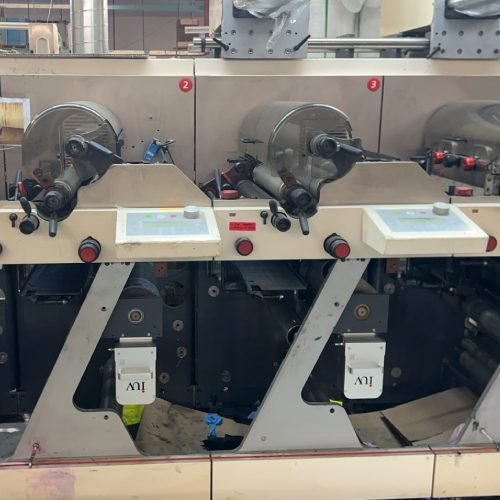
Narrow web printing, the domain of label and flexible packaging production, is a prime area where smart UV curing is making a dramatic impact. Presses in this sector operate at high speeds and often handle complex multi-layer designs with fine text and intricate graphics.
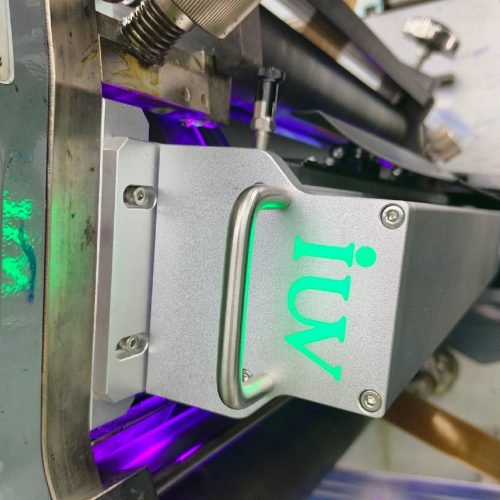
- Precise UV Intensity Control: Smart systems can precisely control the UV output (irradiance) for each print station. This means if a particular station uses a thicker ink layer or a more opaque ink, the system can increase the UV intensity or duration to ensure full cure without over-curing and potentially damaging heat-sensitive substrates. Conversely, for thinner ink layers or more transparent inks, the intensity can be reduced to prevent excessive heat buildup.
- Wavelength Specificity: Different UV lamps emit light across specific wavelength ranges (e.g., UVA, UVB, UVC). Smart systems allow for precise selection and control of these wavelengths to match the absorption spectrum of the photoinitiators in the ink being used. This ensures maximum curing efficiency, leading to a more robust and sharper ink film.
- Automated Monitoring and Adjustment: Integrated sensors can monitor critical parameters like web temperature and UV light levels. If the sensors detect a deviation – perhaps the substrate is getting too warm, or the UV lamp output is fluctuating – the system can automatically adjust the UV output or speed to compensate. This real-time feedback loop is crucial for maintaining consistent print quality and sharpness throughout the entire print run.
- Energy Efficiency: Smart automation also plays a role in energy management. By only delivering the precise amount of UV energy required for each specific job and print station, these systems can significantly reduce power consumption compared to older, constantly running UV units.
Enhancing Sharpness in Flexographic and Offset Lithographic Printing
Both flexographic (flexo) and offset lithographic printing rely heavily on the precise transfer of ink and its immediate stabilization. Smart UV curing technologies are revolutionizing these processes for sharpness:
For Flexography:
Flexo printing uses flexible relief plates. The ink transfer needs to be exact, and any tendency for the ink to spread on the substrate, especially on fine reverse text or detailed halftones, is detrimental.
- Pinning and Curing Integration: Smart UV systems are often used for “pinning” between print stations. This means a short burst of UV light solidifies the surface of the ink from the preceding station. This prevents the ink from lifting or smearing when the next color is applied, preserving the integrity of multi-color designs and achieving sharper color-to-color registration. Full curing is then applied at the end of the press.
- Substrate Adhesion and Sharpness: The rapid, complete cure achieved with optimized UV settings leads to superior ink adhesion. This prevents dot gain caused by ink spreading away from the printed dot, resulting in crisper dots and finer details.
For Offset Lithography:
Offset printing, known for its excellent tonal reproduction and fine detail, also benefits immensely.
- Moisture and Ink Balance: In sheetfed offset, achieving the right balance between water and ink is critical. UV inks, with their controlled curing, offer greater stability, allowing printers to fine-tune ink laydown for maximum sharpness without the concerns of slow drying or ink transfer issues.
- Coating and Spot UV for Enhanced Effects: Smart UV curing is essential for applying spot UV coatings. This allows printers to selectively apply a high-gloss or matte UV coating to specific areas of a print for added visual impact and tactile appeal. Precise control ensures the coating is applied accurately without bleeding into adjacent unvarnished areas, preserving the sharpness of the overall design.
The Future: Intelligent Integration and Data-Driven Optimization
The evolution of smart automated UV curing is not stopping. We are seeing increasingly sophisticated integration with the entire printing workflow. Press manufacturers and UV curing system providers are developing solutions that communicate seamlessly, allowing for:
- Job-Specific Parameter Recall: Once an optimal UV curing profile is established for a particular job, the system can store and recall these settings for future reprints. This ensures consistent quality and sharpness with every production run, eliminating the need for time-consuming manual recalibration.
- Predictive Maintenance: Advanced diagnostics within smart UV systems can monitor lamp health, power supply stability, and other critical components. This allows for predictive maintenance, preventing unexpected downtime and ensuring the UV system consistently performs at its peak, which is vital for maintaining sharpness.
- Data Analytics and Continuous Improvement: The data gathered by smart UV systems can be analyzed to identify trends, optimize energy usage, and further refine curing parameters for specific ink and substrate combinations. This data-driven approach is key to continuous improvement in print quality and sharpness.
Conclusion: A Sharper Vision for Print
The pursuit of exceptional print sharpness is an ongoing journey. Smart automated UV curing technologies represent a significant milestone in this endeavor. By providing precise control over the curing process, adapting to the unique demands of each print job, and integrating intelligently into modern printing workflows, these systems empower printers to achieve unprecedented levels of clarity, detail, and durability. For businesses in narrow web, flexo, and offset printing, embracing these advanced technologies is not just about keeping up; it’s about leading the way in delivering visually stunning and impeccably sharp printed products. The future of print is sharp, and smart UV curing is illuminating the path forward.