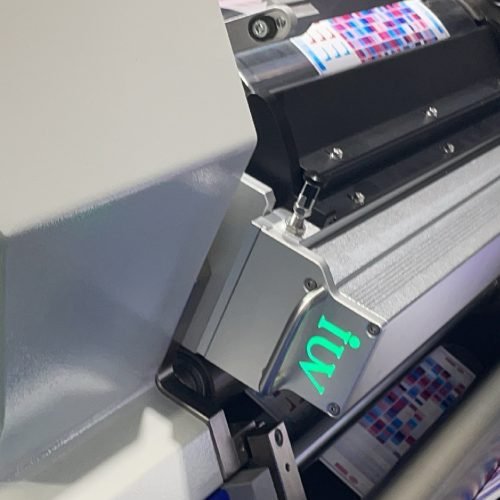

The printing industry is buzzing with innovation. Many print shops are looking for ways to improve their processes. One of the most significant changes is the shift to UV curing technology. This transition is transforming how labels, flexible packaging, and more are produced.
Printers are moving from traditional methods to UV curing for several compelling reasons. This technology offers a host of benefits that traditional inks and coatings simply cannot match. Let’s explore why this switch is happening and what it means for the printing world.
Understanding UV Curing
First, what exactly is UV curing? It’s a process where ultraviolet light is used to instantly dry or “cure” inks, coatings, and adhesives. When exposed to UV light, special photoinitiators within the ink react. This reaction causes the ink to polymerize, forming a solid, durable film. This happens in a fraction of a second.
This is a stark contrast to conventional drying methods. Traditional inks often rely on evaporation of solvents or oxidation to dry. Solvent-based inks release volatile organic compounds (VOCs) into the air. This is a concern for environmental regulations and workplace safety. Heat-set inks require high temperatures and large drying towers, consuming significant energy.
The Advantages for Narrow Web Printing
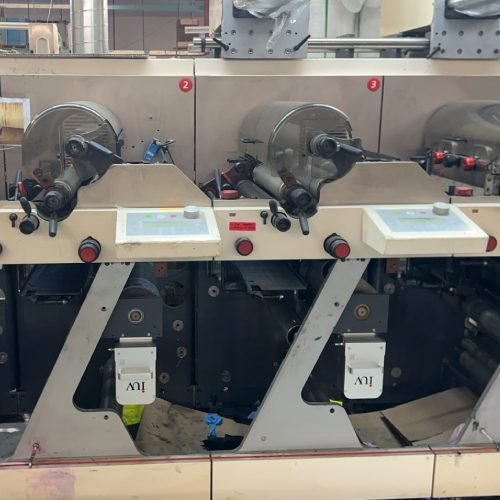
Narrow web printing, often used for labels and flexible packaging, is a prime area for UV curing adoption. These applications demand speed, efficiency, and high-quality results. UV curing excels in this environment.
- Speed and Productivity: UV curing is incredibly fast. Inks dry on contact with the UV lamps. This means print jobs can be handled immediately, without waiting for drying. For narrow web presses, which run at high speeds, this is a game-changer. It allows for higher throughput and faster turnaround times. Shops can complete more jobs in the same amount of time.
- Durability and Performance: UV-cured inks and coatings are exceptionally durable. They offer superior scratch, abrasion, and chemical resistance. This is vital for labels and packaging that must withstand handling, shipping, and various environmental conditions. The cured film is tough and long-lasting.
- Color Brilliance and Consistency: UV inks often produce vibrant, rich colors. Because the ink doesn’t absorb into the substrate, the pigments remain on the surface. This leads to brighter, more opaque prints. The consistency of UV curing also ensures predictable color reproduction from job to job.
- Substrate Versatility: UV curing works well on a wide range of substrates. This includes paper, various plastics (like PET, BOPP, and PVC), and even some foils. This versatility is a major advantage for label printers who often deal with diverse material needs. You’re not limited to porous materials.
- Environmental Benefits: This is a significant driver. UV curing, especially LED UV curing, is more environmentally friendly than solvent-based printing. UV inks contain little to no VOCs. This reduces air pollution and simplifies compliance with environmental regulations. Also, the energy efficiency of UV systems, particularly LED UV, is remarkable.
Comparing UV Curing Technologies: Traditional UV vs. LED UV
Within UV curing, there are two main types: traditional mercury vapor lamps and the newer LED UV systems.
- Traditional Mercury Vapor UV: These lamps have been the standard for years. They are effective and provide a strong UV output. However, they generate a lot of heat, require significant warm-up time, and have a shorter lifespan. They also consume more energy and contain mercury, which requires special disposal.
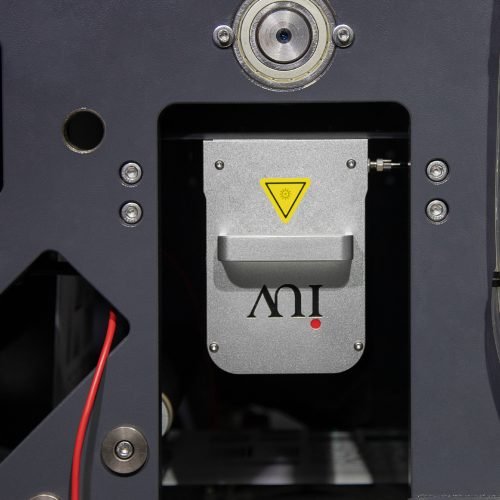
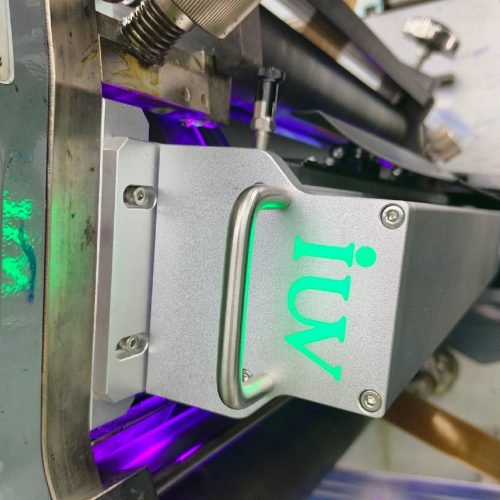
- LED UV Curing: This technology is rapidly gaining popularity. LED UV lamps use light-emitting diodes to produce UV light. They offer several distinct advantages over mercury lamps.
- Energy Efficiency: LEDs consume significantly less power. This translates to lower electricity bills.
- Instant On/Off: LEDs turn on and off instantly. There’s no warm-up or cool-down period. This saves energy and allows for faster job setup.
- Longer Lifespan: LEDs have a much longer operational life, often tens of thousands of hours. This reduces maintenance and replacement costs.
- Low Heat Output: LEDs emit very little heat. This is crucial for heat-sensitive substrates, preventing warping or damage. It also contributes to a safer working environment.
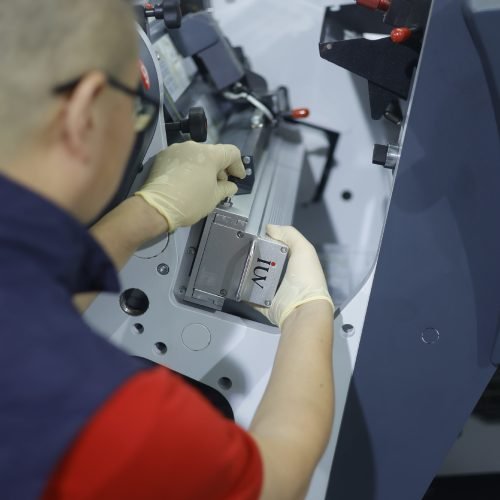
- Durable and Compact: LED units are more robust and can be made more compact, allowing for easier integration into existing presses.
- Environmental Friendliness: LEDs are mercury-free, making them a greener choice.
Impact on Different Printing Processes
The benefits of UV curing are being realized across various printing methods, especially in narrow web applications.
- Flexographic Printing (Flexo): Flexo is widely used for label and packaging printing. UV-cured inks are a natural fit for flexo presses. They offer excellent print quality, sharp dot definition, and the durability needed for packaging. The ability to print on a variety of films and papers, combined with fast curing, makes UV flexo highly efficient. This is particularly true for narrow web flexo.
- Offset Printing (Lithography): While traditionally associated with sheetfed printing, offset is also used in narrow web applications. UV offset printing provides exceptional print quality, especially for fine details and solid colors. It’s ideal for high-end labels and specialty packaging where premium aesthetics are paramount. The instant drying allows for immediate finishing processes, such as die-cutting or lamination, without ink set-off.
- Digital Printing: While digital printing technologies have their own curing methods, UV-LED curing is increasingly integrated into UV inkjet presses. These presses can print directly onto a wide array of substrates, including non-porous materials, without the need for pre-treatment. This expands the possibilities for short runs, personalization, and custom packaging.
Making the Switch: Considerations for Printers
Adopting UV curing technology involves some planning. Printers need to consider:
- Press Compatibility: Not all presses are designed for UV curing. Modifications or new equipment may be necessary to accommodate UV lamps or LED systems. Narrow web presses are often designed with UV in mind, making the integration smoother.
- Ink and Coating Selection: A wide range of UV inks and coatings are available. Choosing the right ones depends on the application, substrate, and desired properties (e.g., adhesion, gloss, resistance).
- Training and Expertise: Staff will need training on operating and maintaining UV curing equipment. Understanding the nuances of UV inks and their curing process is important.
- Investment Costs: While UV curing offers long-term cost savings through efficiency and reduced waste, the initial investment in equipment and materials can be significant. However, with the decreasing cost of LED UV systems, this barrier is becoming less formidable.
The Future is UV
The trend towards UV curing in the printing industry is undeniable. The combination of increased speed, superior durability, enhanced print quality, and significant environmental advantages makes it a compelling choice. For narrow web printers, especially those focused on labels and flexible packaging, the switch to UV, and increasingly LED UV, is not just an upgrade—it’s a strategic move to stay competitive and meet the evolving demands of the market. This technological advancement is shaping a brighter, faster, and more sustainable future for print.