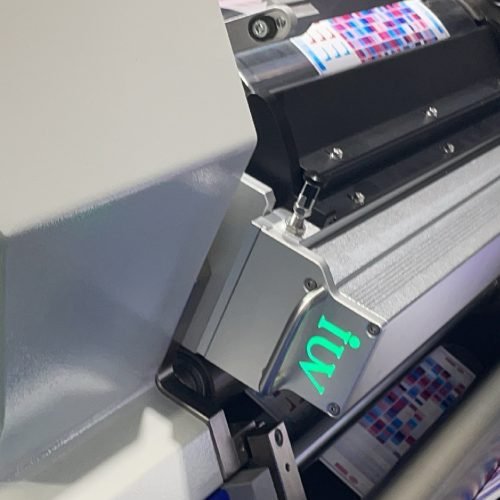
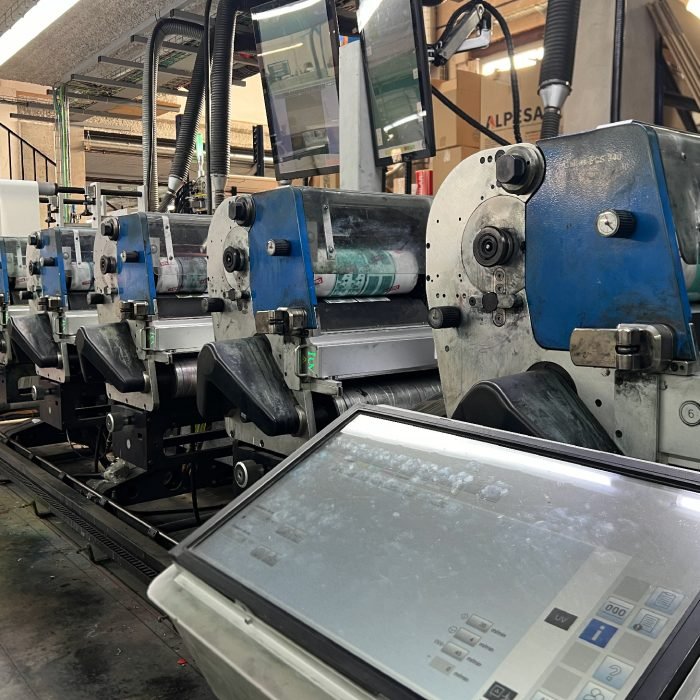
The printing industry is undergoing a significant transformation, driven by both technological advancements and an increasing global focus on environmental responsibility. Among the most impactful innovations is the widespread adoption of high-intensity LED curing technology. This shift represents a crucial step towards more sustainable printing practices, particularly in demanding sectors like label printing, flexography, and offset lithography.
The Environmental Imperative in Modern Printing
For years, conventional UV curing systems, often relying on mercury vapor lamps, have been a staple in printing for their rapid drying capabilities. However, these systems come with a considerable environmental footprint. Mercury, a toxic heavy metal, poses disposal challenges and environmental risks. Furthermore, mercury lamps consume substantial amounts of energy, generating significant heat that requires extensive ventilation and cooling systems, adding to the overall energy demand and operational costs.
The pressure to reduce greenhouse gas emissions, minimize hazardous waste, and improve workplace safety has never been greater. Printers are actively seeking solutions that not only enhance efficiency and product quality but also align with stringent environmental regulations and evolving customer expectations. This is where high-intensity LED UV curing technology emerges as a game-changer.
Understanding High-Intensity LED Curing Technology
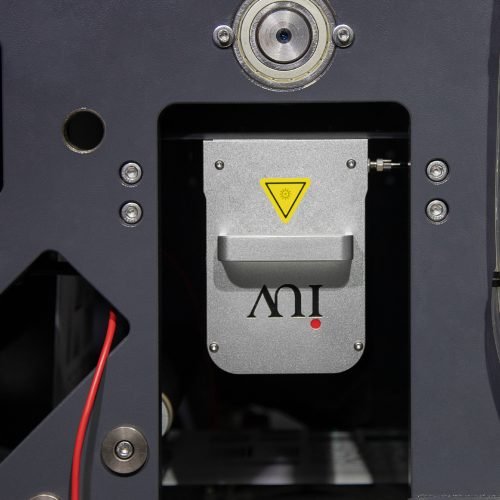
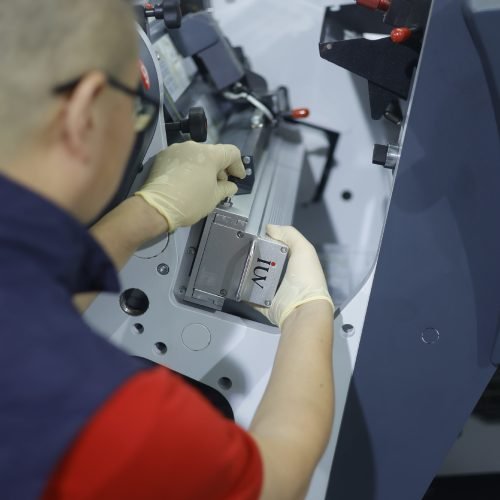
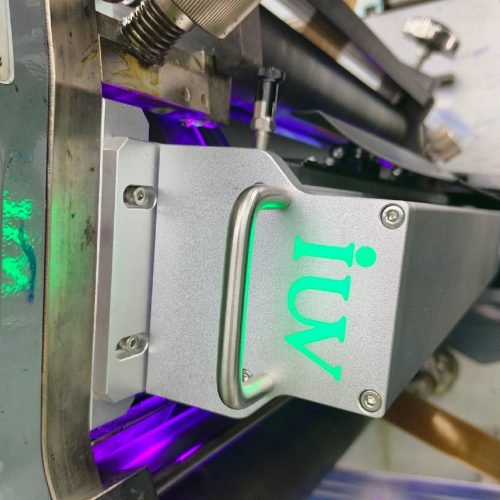
LED (Light Emitting Diode) UV curing utilizes solid-state semiconductor devices that emit ultraviolet light when an electric current passes through them. Unlike traditional mercury lamps, LEDs offer a highly focused spectrum of UV light, tunable to specific wavelengths that efficiently initiate the polymerization of UV-curable inks, coatings, and adhesives.
The “high-intensity” aspect refers to the power density of the LED arrays. Modern LED systems can deliver significantly higher energy levels in a more concentrated area. This increased intensity translates to faster curing speeds, even with thicker ink layers or more demanding substrates, without compromising on the quality of the cured film.
Key Environmental Advantages of LED Curing
The environmental benefits of transitioning to high-intensity LED curing are multifaceted and substantial.
Reduced Energy Consumption
One of the most immediate and impactful advantages is energy efficiency. LED curing systems consume considerably less energy compared to traditional mercury lamp systems. They are typically 50-80% more energy-efficient. This is partly because LEDs operate at much lower temperatures and require less power to achieve the necessary UV output. Their on-demand nature, meaning they only use power when the printing press is running, further contributes to savings. This reduction in energy consumption directly translates to a lower carbon footprint for printing operations.
Elimination of Hazardous Materials
High-intensity LED curing systems are mercury-free. This is a critical environmental and safety advantage. It eliminates the risks associated with mercury handling, disposal, and potential environmental contamination. The printing industry can move away from hazardous waste streams, simplifying compliance and reducing liabilities. This also contributes to a safer working environment for press operators.
Lower Heat Generation and Ventilation Needs
LEDs generate significantly less heat than mercury lamps. This means less thermal energy is transferred to the substrate and the surrounding environment. Consequently, printing presses equipped with LED curing require less robust and energy-intensive cooling and ventilation systems. This further reduces the overall energy consumption and operational complexity of the printing line. It also allows for the printing of heat-sensitive substrates that might be damaged by the heat from conventional UV lamps.
Extended Lifespan and Reduced Waste
LEDs have a much longer operational lifespan than mercury lamps, often exceeding 20,000 to 30,000 hours, compared to a few thousand hours for mercury lamps. This extended lifespan means fewer lamps need to be manufactured, transported, and disposed of over time, reducing waste and resource consumption. The consistent performance of LEDs also minimizes the need for frequent recalibration, further reducing waste from off-spec or rejected prints.
Lower VOC Emissions
UV-curable inks and coatings used with LED systems are typically formulated with very low or zero Volatile Organic Compounds (VOCs). As the UV light cures these formulations, they polymerize into a solid film. This process releases minimal to no VOCs into the atmosphere, contributing to improved air quality both inside the printing facility and in the surrounding environment. This is a significant advantage for printers operating in regions with strict air quality regulations.
Applications in Specific Printing Sectors
The benefits of high-intensity LED curing are particularly pronounced in demanding printing segments.
Narrow Web and Label Printing
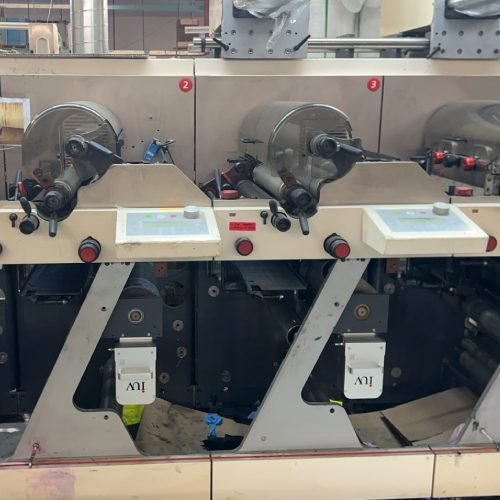
The narrow web label printing sector often deals with high-speed production runs and a wide variety of substrates, from thin films to textured papers. The precise and efficient curing provided by high-intensity LEDs allows for crisp, durable graphics and text. The ability to cure heat-sensitive films without distortion is also a major plus. Furthermore, the reduced energy consumption and elimination of mercury align perfectly with the sustainability goals increasingly being set by brand owners and end consumers for their packaging.
Flexographic Printing
Flexography, widely used for packaging and labels, benefits immensely from LED curing. The ability of high-intensity LEDs to cure thick ink layers quickly ensures excellent adhesion and resistance properties. This leads to high-quality prints that can withstand demanding handling and environmental conditions. The energy savings and mercury-free operation are also significant drivers for adoption in this segment, which is often focused on high-volume, cost-effective production.
Offset Lithography
In offset printing, particularly for commercial applications and packaging, LED curing offers advantages in terms of speed and substrate versatility. It enables faster turnaround times due to immediate curing. The lower heat output is beneficial for a wider range of paper stocks and board materials, preventing warping or damage. The reduced VOC emissions also contribute to a cleaner production environment, which is increasingly important for print providers serving environmentally conscious clients.
Optimizing Performance with High-Intensity LEDs
To fully leverage the capabilities of high-intensity LED curing, several factors are important.
Wavelength Selection
LEDs emit light in very specific wavelength bands. The most common for UV curing are around 365 nm, 385 nm, 395 nm, and 405 nm. Selecting the appropriate LED wavelength is crucial for efficiently curing the specific UV ink or coating formulation being used. Different formulations are optimized for different wavelengths. Manufacturers of inks and LED systems work closely to ensure compatibility.
Energy Dosage and Speed
The optimal energy dosage (measured in J/cm²) and peak irradiance (measured in W/cm²) depend on the ink type, film thickness, substrate, and desired cure level. High-intensity LEDs allow printers to achieve the required dosage at much higher press speeds, leading to increased productivity. Careful optimization of these parameters ensures a complete cure, avoiding issues like blocking or poor chemical resistance.
Substrate Compatibility
As mentioned, the low heat output of LEDs makes them ideal for a broader range of substrates, including sensitive plastics, thin films, and delicate papers, without risk of warping, shrinkage, or color distortion. This expands the creative possibilities for designers and printers.
The Future of Sustainable Printing is Here
The integration of high-intensity LED curing technology represents a pivotal moment for the printing industry. It offers a clear path towards more environmentally sustainable operations without compromising on print quality or operational efficiency. The substantial reductions in energy consumption, the elimination of hazardous materials, and the decrease in waste are compelling reasons for printers to make the switch.
As regulatory pressures mount and market demand for greener solutions intensifies, embracing high-intensity LED curing is not just a wise business decision, but a necessary step towards a more responsible and future-proof printing industry. The technology is mature, readily available, and its benefits are undeniable, paving the way for a cleaner, more efficient, and more sustainable printing future.