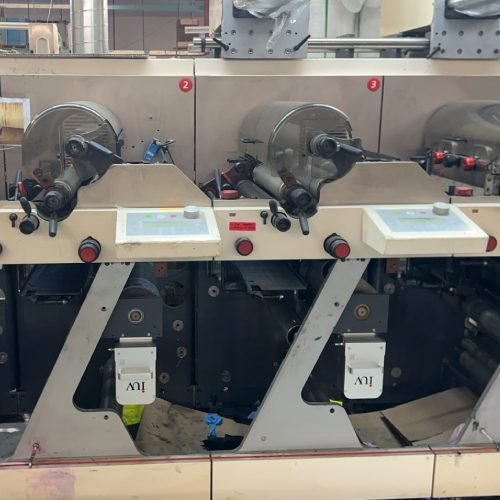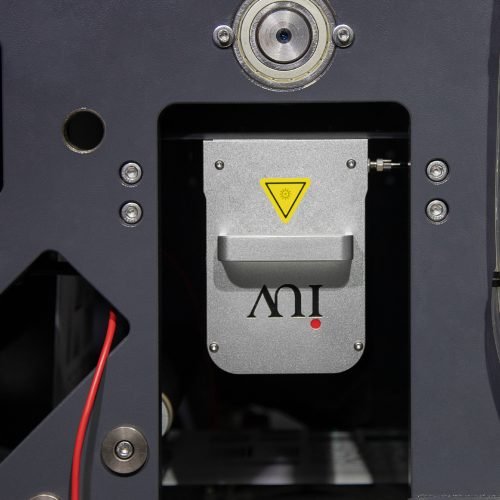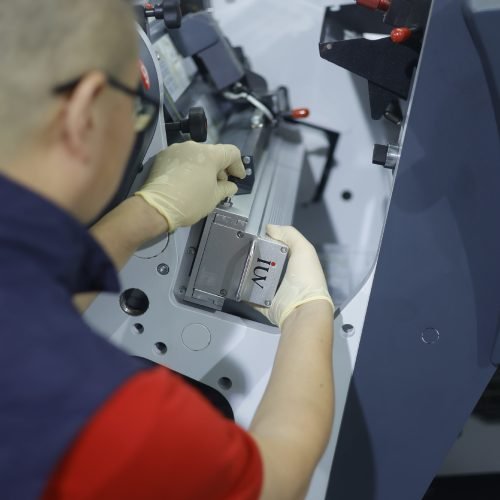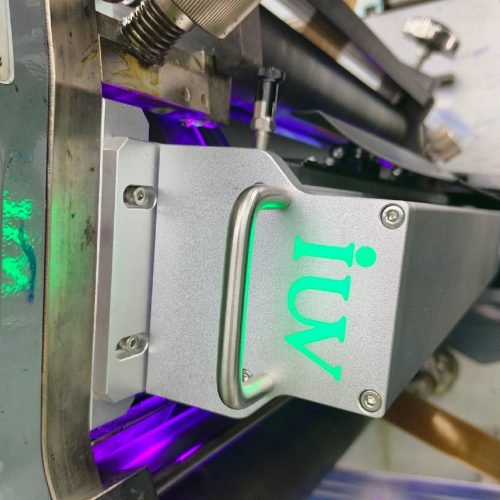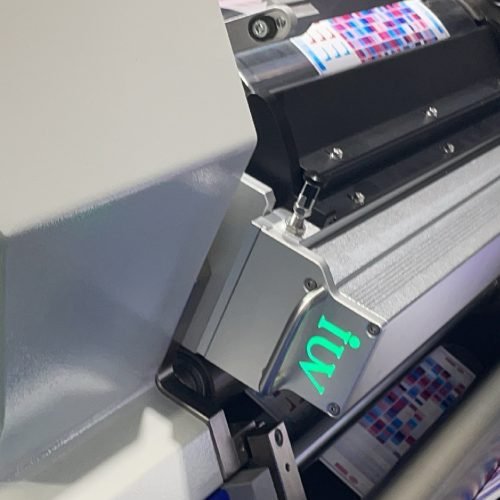
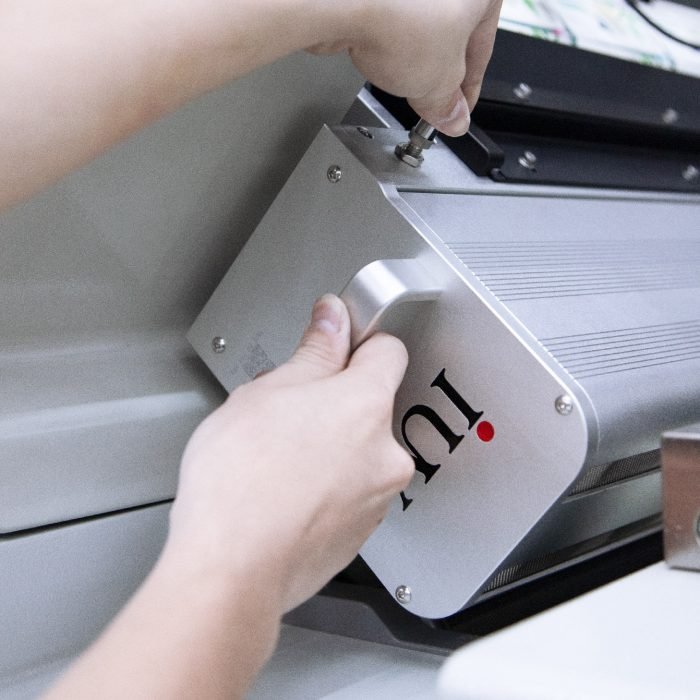
The quest for superior label finishes is a perpetual pursuit in the printing industry. Among the most sought-after aesthetic qualities is an ultra-glossy surface. This demands not just precise ink application but also a curing technology that can deliver consistent, high-performance results. In narrow web label printing, especially within flexographic and offset processes, the role of curing technology cannot be overstated. High-intensity LED curing has emerged as a transformative solution, offering unparalleled advantages for achieving those coveted ultra-gloss finishes.
The Demand for High Gloss in Labels
Why is ultra-gloss so important for labels? A high-gloss finish immediately communicates quality and premium appeal. It enhances the visual vibrancy of colors, making graphics pop and text appear sharper. For many consumer packaged goods, a glossy label is the first physical interaction a customer has with the product, and it plays a significant role in shelf appeal. It can also offer practical benefits, such as improved scuff resistance and easier cleaning. Achieving this level of sheen consistently, however, requires a controlled and efficient curing process.
Understanding UV Curing in Label Production
Traditional UV curing systems, often arc lamp-based, have been the workhorse for years. These lamps emit a broad spectrum of UV light and heat. While effective, they come with challenges. The significant heat output can warp thinner substrates and affect ink stability. They also consume considerable energy and require frequent lamp replacement and maintenance. Furthermore, achieving a truly uniform gloss can be tricky, as localized overheating or uneven exposure can lead to variations in the cured ink film.
The Rise of LED UV Curing Technology
Light Emitting Diode (LED) UV curing represents a paradigm shift. Instead of a broad-spectrum lamp, LEDs emit UV light within very narrow wavelength bands. This targeted emission is more energy-efficient and generates significantly less heat. For label printers, this translates into a host of operational and quality improvements. The precise control over wavelength and intensity is key to unlocking the potential for ultra-gloss finishes.
High-Intensity LED: The Game Changer for Gloss
The term “high-intensity” in LED curing refers to the power density – the amount of UV energy delivered per unit area. For achieving ultra-gloss, this is critical. High-intensity LED systems deliver a powerful, focused burst of UV radiation. This rapid and intense exposure is crucial for the photopolymerization process of UV-curable inks and coatings.
When UV-curable resins encounter UV light, they undergo a chemical reaction, polymerizing and hardening. High-intensity LEDs, particularly those optimized for the absorption spectra of common UV ink formulations (typically in the UVA range, like 395nm), initiate this reaction with extreme efficiency. This leads to a faster and more complete cure. A complete cure is essential for developing the smooth, unblemished surface that defines a high-gloss finish. Any under-cured areas can result in a matte or uneven appearance.
Benefits for Flexographic and Offset Printing
In flexographic printing, ink transfer is highly precise, but achieving consistent gloss across large print areas or fine details can be a challenge. High-intensity LED curing ensures that the applied ink layer cures uniformly and rapidly. This prevents any pooling or uneven drying that could compromise the final sheen. The reduced heat also means less potential for plate distortion or substrate shrinkage, maintaining print fidelity.
For offset label printing, where ink films can sometimes be thicker, the penetration and efficiency of high-intensity LED curing are paramount. The focused UV energy effectively cures the entire ink film, from the surface down to the substrate, without excessive heat buildup. This is vital for preventing ink set-off and ensuring that the printed layer is fully hardened for subsequent handling and finishing.
Achieving Ultra-Gloss: The Technical Nuances
- Wavelength Specificity: High-intensity LED systems can be precisely tuned to specific wavelengths that maximize the photoinitiator’s response in UV inks and coatings. This targeted approach means more energy is used for curing and less is wasted, leading to faster cure speeds and a denser, smoother cured film.
- Energy Density: The sheer power of high-intensity LEDs delivers a concentrated dose of UV energy. This rapid energy delivery promotes a highly ordered polymerization, resulting in a smoother surface at the microscopic level, which in turn reflects light more uniformly, creating that ultra-gloss effect.
- Minimal Heat: Unlike arc lamps, LEDs generate minimal infrared radiation. This is a significant advantage. Excessive heat can cause the ink film to expand and contract, leading to surface imperfections. It can also cause the substrate to shrink or warp, affecting dimensional stability and gloss. Low heat ensures a stable, flat surface for optimal gloss development.
- Consistent Output: LED arrays offer stable and consistent UV output over their operational life, unlike arc lamps that degrade over time, requiring frequent monitoring and replacement. This consistency is fundamental for achieving repeatable ultra-gloss finishes from run to run.
- Instant On/Off: LEDs can be switched on and off instantaneously. This is beneficial for energy saving, especially on web presses where the UV unit might not be continuously exposed to the web. More importantly, it contributes to precise control over the curing window, preventing overexposure that could potentially dull the finish.
Substrate and Ink Considerations
The effectiveness of high-intensity LED curing for gloss also depends on the interplay with substrates and inks.
- Substrates: Low-heat LED curing is particularly advantageous for heat-sensitive substrates like thin films, certain plastics, and even some papers. It allows printers to achieve high gloss on a wider range of materials without compromise.
- Inks and Coatings: Formulations specifically designed for LED curing are readily available. These often contain optimized photoinitiators that respond efficiently to the narrow wavelength bands emitted by LEDs. For ultra-gloss finishes, specialized UV overprint varnishes (OPVs) formulated for high reflectivity and excellent flow properties are key. High-intensity LED curing ensures these varnishes cure rapidly and form a perfectly smooth, hard surface.
The Economic and Environmental Upside
Beyond the aesthetic and performance benefits, high-intensity LED curing offers compelling economic and environmental advantages. The energy efficiency of LEDs can lead to substantial reductions in electricity consumption compared to traditional UV systems. Their long lifespan, often tens of thousands of hours, minimizes downtime associated with lamp changes and reduces waste. The reduced heat output can also lower HVAC costs in the print facility.
Embracing the Future of Label Finishes
The demand for premium label finishes, particularly ultra-gloss, is not a trend but a growing expectation. High-intensity LED curing technology provides the precision, efficiency, and power necessary to meet this demand consistently. For label printers utilizing flexographic or offset methods, investing in high-intensity LED curing systems is a strategic move towards enhancing product quality, expanding material capabilities, and improving operational efficiency. It’s a technology that directly translates into superior visual appeal and tangible business benefits.