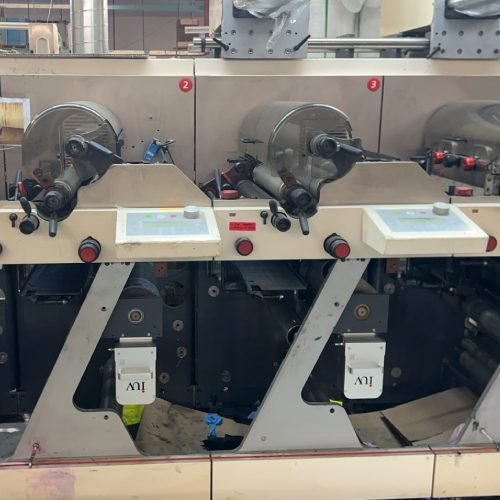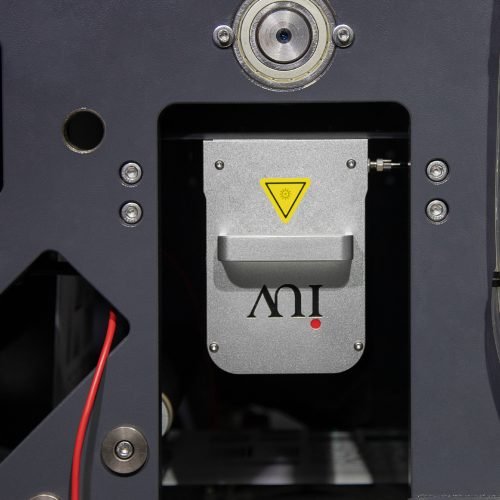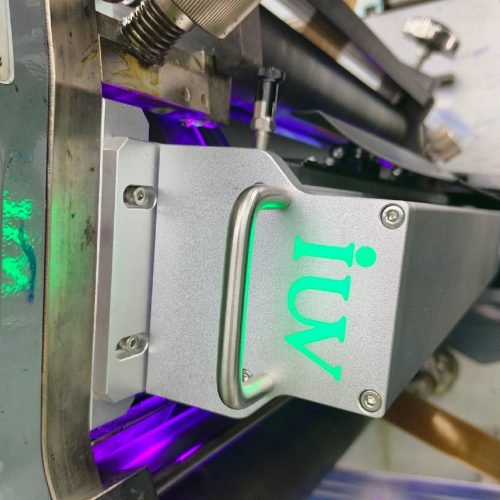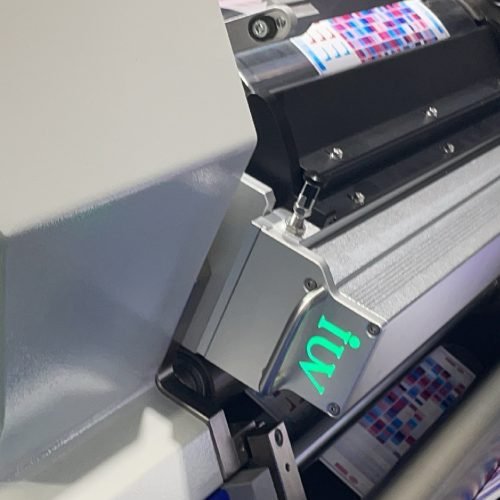
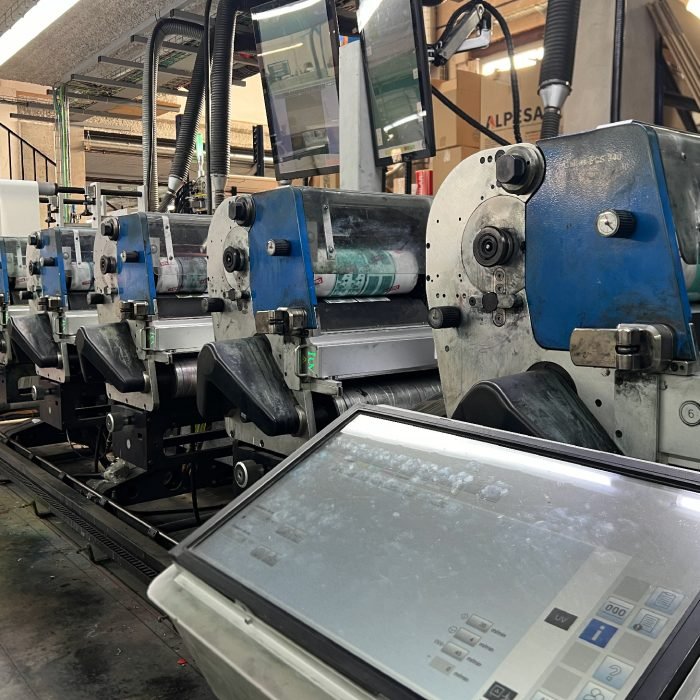
The relentless drive for efficiency and quality in the label printing industry is reshaping technological adoption. For high-speed offset label presses, the choice of curing technology is paramount. Traditionally, mercury vapor lamps have been the workhorse, but the landscape is rapidly shifting towards High-Intensity LED Curing Systems. This evolution isn’t just about incremental improvement; it’s a fundamental upgrade with profound implications for speed, sustainability, and output quality.
The Demands of High-Speed Offset Label Printing
Narrow web label printing, particularly on offset presses, operates at breakneck speeds. Presses can churn out thousands of labels per minute, demanding a curing system that can keep pace without compromising ink adhesion, gloss, or color vibrancy. This high-volume production environment means that any downtime or inefficiency in the curing process becomes a significant bottleneck, directly impacting profitability. Furthermore, the diverse range of substrates used – from thin films to textured papers – and the varied ink formulations require a robust and adaptable curing solution.
Understanding UV Curing: The Foundation
UV curing utilizes ultraviolet light to initiate a photochemical process that transforms liquid inks, coatings, and adhesives into a solid, durable film. The effectiveness of this process hinges on several factors: the wavelength of the UV light, the intensity of the light source, and the duration of exposure. Traditional mercury vapor lamps emit UV light across a broad spectrum, including UVA, UVB, and UVC. While effective, they generate considerable heat and have a finite lifespan, necessitating frequent replacement and consuming significant energy.
The Rise of LED UV Curing
Light Emitting Diodes (LEDs) offer a revolutionary approach to UV curing. Unlike mercury lamps, LEDs emit UV light within very specific, narrow wavelength bands. The most common for UV curing are around 365 nm, 395 nm, and 405 nm. This targeted emission means that energy is not wasted producing unwanted wavelengths. More importantly, high-intensity LED systems can deliver significantly higher power density in these specific bands.
Advantages of High-Intensity LED Curing for Offset Labels
The benefits of integrating High-Intensity LED Curing Systems into high-speed offset label presses are manifold and directly address the core challenges of the industry.
1. Unmatched Curing Speed and Efficiency:
High-intensity LEDs can deliver the required UV energy far more rapidly than traditional lamps. This means inks and coatings cure almost instantaneously, allowing presses to run at their maximum mechanical speeds. For offset label printing, where every second counts, this translates to a substantial increase in throughput and reduced job turnaround times. The precise wavelength control also ensures efficient energy transfer to the photoinitiators in the ink, leading to faster and more complete curing.
2. Superior Energy Efficiency and Reduced Operating Costs:
LEDs are inherently more energy-efficient. They consume significantly less power compared to mercury vapor lamps, often by as much as 70-80%. This reduction in energy consumption directly translates to lower electricity bills. Furthermore, LEDs operate at much lower temperatures, reducing the need for extensive cooling systems and minimizing the heat load on the press and substrate. This cooler operation also helps prevent substrate distortion, especially critical for thin films.
3. Extended Lamp Lifespan and Reduced Maintenance:
The operational lifespan of LEDs is dramatically longer than mercury lamps, often exceeding 20,000 to 50,000 hours. Mercury lamps typically need replacement after 1,000 to 2,000 hours. This vastly extended lifespan means significantly less downtime for lamp changes, reduced waste from discarded lamps, and lower overall maintenance costs. The consistent output of LEDs over their lifespan also contributes to more stable and predictable curing results.
4. Enhanced Curing Performance and Ink Compatibility:
Modern UV-curable inks and coatings are formulated to work optimally with specific LED wavelengths. High-intensity LED systems, with their precise wavelength control and high power density, ensure complete and uniform curing. This leads to improved adhesion, excellent scratch and chemical resistance, and vibrant, consistent color reproduction. The ability to tailor the LED output to specific ink chemistries offers printers greater flexibility in material selection and special effects.
5. Environmental Benefits and Workplace Safety:
The reduced energy consumption of LEDs contributes to a smaller carbon footprint. Additionally, LEDs do not contain mercury, making them an environmentally friendlier option and simplifying disposal. The lower operating temperatures also create a safer working environment for press operators.
Integrating High-Intensity LED Systems into Offset Presses
The transition to LED curing on offset label presses involves careful consideration of several technical aspects.
- Wavelength Selection: Choosing the correct LED wavelength (e.g., 395 nm for standard inks, or potentially different wavelengths for specialized applications) is crucial for optimal curing. This decision is driven by the ink and coating formulations being used.
- Irradiance and Dose: Irradiance (power per unit area) and the total UV dose (irradiance x exposure time) are critical parameters. High-intensity LED systems excel at delivering high irradiance, enabling shorter exposure times and thus higher press speeds.
- Cooling and Power Supply: While LEDs generate less heat than mercury lamps, high-intensity systems still require effective cooling solutions to maintain optimal performance and longevity. Reliable power supplies tailored to the LED modules are also essential.
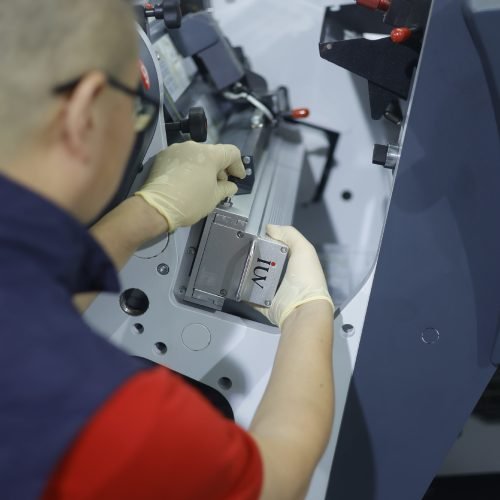
- Retrofitting vs. New Presses: Many existing offset label presses can be retrofitted with LED curing systems. This often involves replacing the traditional UV lamp heads with compact LED arrays. When purchasing new presses, specifying LED curing from the outset ensures seamless integration.
Specific Applications in Label Printing
For offset label printers, the advantages of High-Intensity LED Curing Systems translate into tangible benefits across various applications:
- Food and Beverage Labels: The low heat emission and excellent resistance properties provided by LED curing are ideal for producing high-quality, durable labels that meet stringent industry standards.
- Pharmaceutical and Health Labels: Precision, consistency, and resistance to chemicals are critical. LED curing delivers the reliability needed for these sensitive applications.
- Premium and Specialty Labels: The enhanced gloss, vibrant color reproduction, and the ability to apply overprint varnishes and special effects without excessive heat make LEDs perfect for high-value labels.
- In-Mold Labels (IML): The rapid, efficient curing enables the production of IMLs that can withstand demanding molding processes.
The Future is Bright with LED Curing
The shift towards High-Intensity LED Curing Systems in the high-speed offset label printing sector is not a trend, but a fundamental technological advancement. Printers seeking to maximize press speed, enhance print quality, reduce operating costs, and improve their environmental footprint will find LED curing to be an indispensable technology. Its efficiency, longevity, and superior performance characteristics make it the clear choice for modern offset label production. Embracing this technology positions label printers for greater success in an increasingly competitive market.