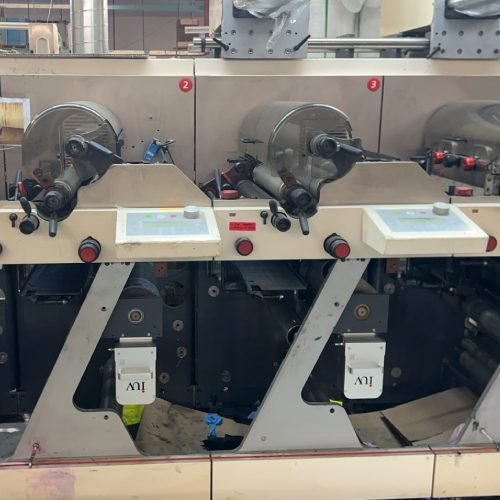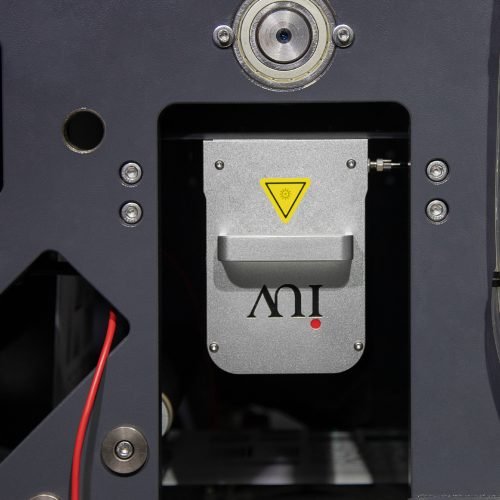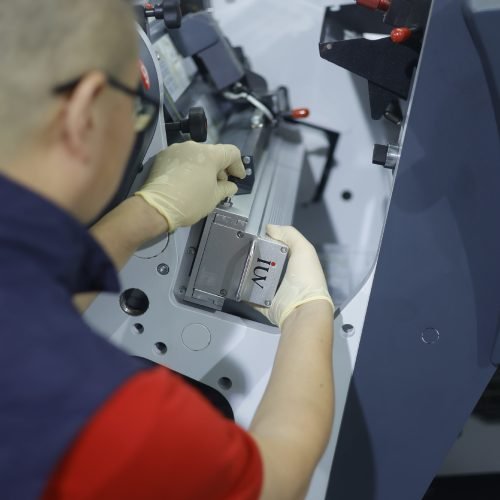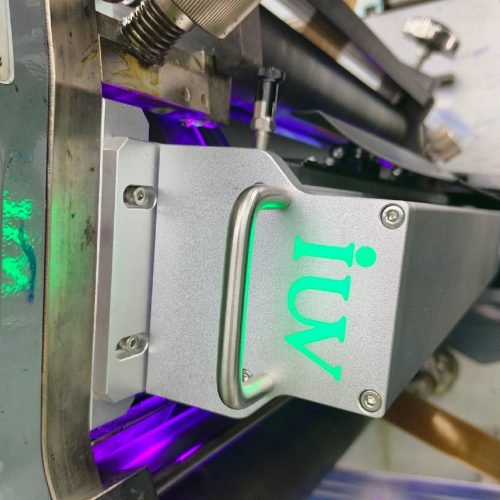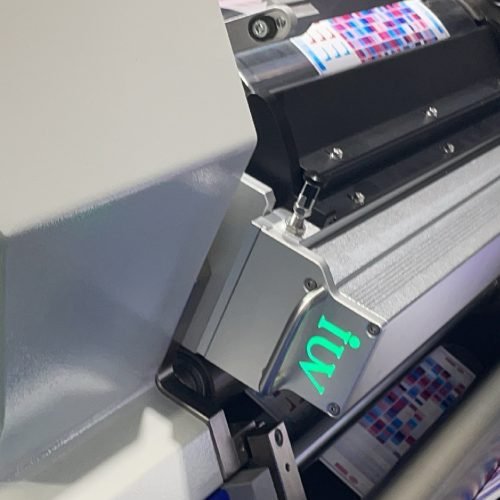
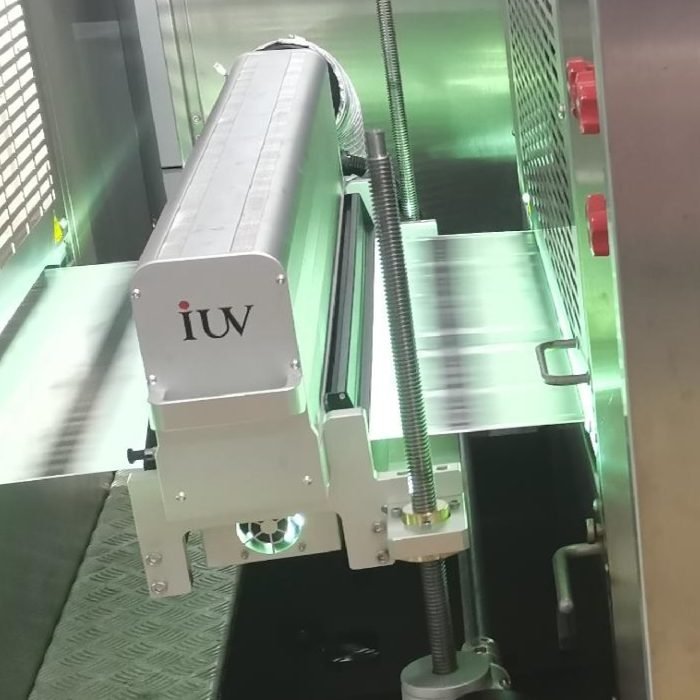
Automated UV printing is fundamentally changing how flexographic label manufacturers operate. This technology brings efficiency, speed, and a higher quality finish to the narrow web printing sector, a vital part of the packaging industry. The integration of UV curing systems, especially LED UV, with automated flexo processes offers a compelling advantage for businesses looking to stay competitive.
The Evolution of Flexographic Label Printing
Flexography, often shortened to flexo, has long been a workhorse in the label printing world. Its ability to print on a wide range of substrates, from thin films to thick cardboards, made it ideal for diverse label applications. The process uses flexible relief plates to transfer ink to the substrate. Historically, flexo printing relied on solvent-based or water-based inks. These inks required drying tunnels or heat units to evaporate the carrier, a process that could be slow and energy-intensive.
The introduction of UV-curable inks marked a significant step forward. These inks contain monomers and oligomers that polymerize, or cure, almost instantly when exposed to ultraviolet light. This rapid curing eliminated the need for extensive drying, allowing for faster printing speeds and the ability to print on heat-sensitive materials without warping or damage.
The Rise of Automation in Narrow Web Flexo
The narrow web printing sector, which produces labels and flexible packaging on machines with a web width typically under 20 inches, has always been characterized by quick job changes and high productivity demands. Automation has become a key driver in optimizing these operations. Automated systems can manage everything from pre-press setup to color management and post-press finishing.
In a traditional flexo setup, many tasks were manual. Plate mounting, ink mixing, and impression setting could be time-consuming and prone to human error. Automation addresses these bottlenecks. Automated plate mounting systems ensure precise registration, reducing waste and setup time. Digital color management tools allow for faster and more accurate color matching. Furthermore, automated ink delivery systems ensure consistent ink viscosity and supply, critical for maintaining print quality throughout a run.
How UV Printing Enhances Flexo Operations
UV printing, particularly with the advent of LED UV curing, brings a host of benefits to automated flexo lines. The core advantage is the instantaneous curing of inks. When UV light hits the ink, it triggers a photochemical reaction that solidifies the ink layer immediately. This means that printed webs can be rewound or sent directly to the next process step without smudging or needing extensive cooling.
This rapid curing directly impacts throughput. Printers can achieve higher press speeds because the ink is instantly dry. This increased speed translates to more labels produced per hour, directly boosting a manufacturer’s capacity and profitability. The ability to print at higher speeds without compromising quality is a significant competitive edge.
The Advantages of LED UV Curing Technology
While traditional mercury vapor UV lamps have been used for years, LED UV curing technology represents a modern advancement. LED UV lamps emit light at specific wavelengths, efficiently curing the UV inks. They offer several distinct advantages over older lamp technologies.
Firstly, LED UV lamps have a much longer operational lifespan, often tens of thousands of hours, compared to mercury lamps which require replacement much more frequently. This reduces maintenance costs and downtime. Secondly, LED UV systems consume significantly less energy. They only draw power when the printing unit is active and do not require a warm-up period. This energy efficiency contributes to lower operating expenses and a smaller environmental footprint.
Thirdly, LED UV lamps produce very little heat. Traditional UV lamps generate substantial heat, which can affect the substrate and require additional cooling measures. The low heat output of LEDs allows for printing on delicate materials like thin films and heat-sensitive papers without concern. This expands the range of possible applications for flexographic printing.
Finally, LED UV lamps are more environmentally friendly. They do not contain mercury, a hazardous substance found in mercury vapor lamps. Their lower energy consumption also means a reduced carbon footprint.
Integrating Automation with UV Printing for Labels
The synergy between automated flexo presses and UV printing, especially LED UV, is where the real transformation occurs in label manufacturing. Automated systems manage the entire printing process, from feeding the substrate to applying the cured ink.
Automated color control systems work in tandem with UV curing. As the substrate passes under the UV lamps, the automated system ensures that the correct amount of UV energy is applied for complete curing. This precise control over curing conditions is vital for achieving consistent color vibrancy and durability.
In the context of label printing, this integration means that complex, multi-color labels can be produced efficiently. Spot colors, special effects, and metallic inks are all well-suited to UV flexo printing. The rapid curing ensures that each color layer is dry before the next is applied, preventing ink trapping issues and allowing for higher ink densities. This results in sharper graphics, more vibrant colors, and improved print definition, all critical for brand impact on retail shelves.
Impact on Substrate Versatility
Automated UV printing has broadened the range of materials that can be used for labels. Traditional inks often struggled with non-porous substrates like polyethylene (PE) and polypropylene (PP) films. These materials don’t absorb ink well, leading to smudging and poor adhesion. UV-curable inks, by contrast, form a film on the surface of the substrate and bond strongly upon curing.
The low heat output of LED UV systems is particularly beneficial here. It allows printers to work with thin plastic films and even some heat-sensitive foils without distortion or damage. This opens up new possibilities for packaging design and functionality, enabling manufacturers to create labels that are not only visually appealing but also highly durable and resistant to environmental factors like moisture and abrasion.
Efficiency Gains and Cost Reduction
The combined effect of automation and UV printing leads to substantial efficiency gains and cost reductions in label manufacturing.
- Reduced Waste: Precise registration, automated color matching, and immediate ink curing minimize material waste during setup and production runs.
- Faster Turnaround Times: Higher press speeds and quicker job changeovers mean that orders can be completed and delivered faster. This responsiveness is a key differentiator in the market.
- Lower Operating Costs: Energy efficiency of LED UV systems, reduced ink consumption due to higher transfer efficiency, and less downtime for maintenance all contribute to lower operational expenses.
- Improved Worker Safety: UV inks are typically low in VOCs (Volatile Organic Compounds) compared to solvent-based inks, leading to a healthier work environment. Automation also reduces the need for manual handling of inks and substrates.
The Future of Label Manufacturing
As the demand for high-quality, visually striking, and durable labels continues to grow, automated UV printing operations are poised to become the industry standard. The ongoing advancements in UV ink formulations, LED UV technology, and printing press automation will further enhance capabilities.
The ability to achieve pristine print quality on a wider array of substrates, coupled with the economic and environmental benefits, makes this technology a compelling choice for any label manufacturer looking to optimize their production, expand their service offerings, and maintain a competitive edge in a dynamic marketplace. The integration of these technologies is not just an upgrade; it’s a fundamental shift in how labels are made.