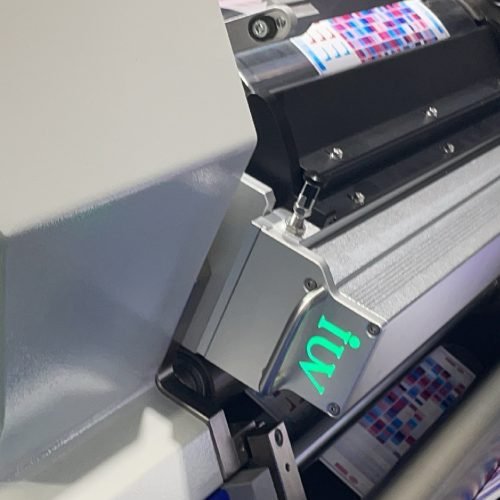
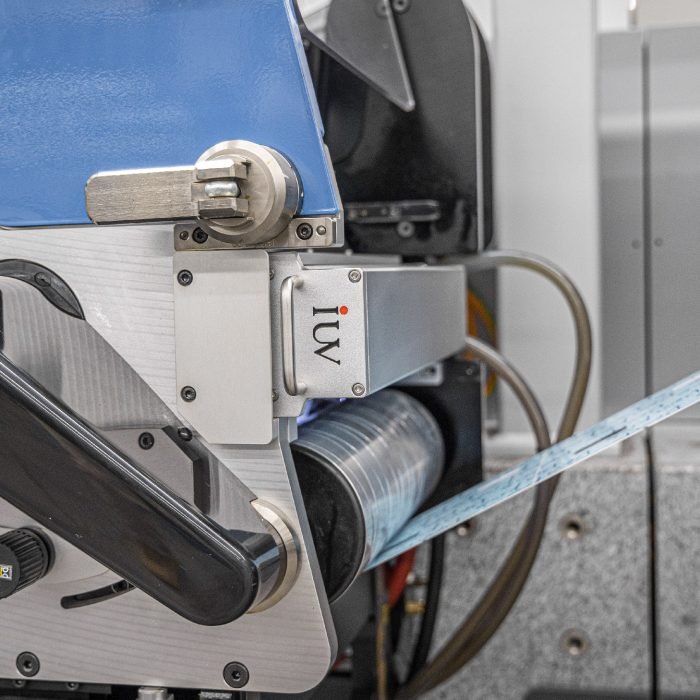
The landscape of label printing is constantly evolving, driven by market demands for faster turnarounds, greater customization, and cost-effectiveness, especially for short-run jobs. Traditionally, these smaller production runs have presented unique challenges. However, the advent and rapid advancement of high-intensity LED UV curing systems are fundamentally changing this dynamic, offering unparalleled advantages for printers looking to optimize their narrow-web operations.
The Limitations of Conventional Curing for Short Runs
For decades, mercury vapor lamps have been the workhorse of UV curing in the printing industry. While effective, they come with inherent drawbacks that become particularly pronounced with short-run label production. Mercury lamps require a significant warm-up period, meaning printers often have to run at slower speeds or sacrifice job setups to justify the energy expenditure and waiting time. Furthermore, their high heat output can cause substrate distortion, limiting material choices and potentially affecting print quality, especially on sensitive films. Their lifespan is also shorter, necessitating frequent and costly replacements. For short runs, the energy consumed during warm-up and the limited throughput due to heat management become significant cost burdens.
Introducing High-Intensity LED Curing: A Paradigm Shift
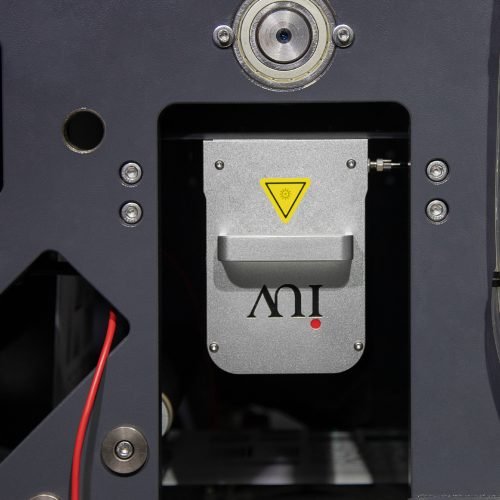
High-intensity LED UV curing systems represent a significant leap forward. Unlike mercury lamps, LEDs offer instant on/off capabilities, eliminating warm-up times entirely. This means printers can switch between jobs seamlessly and start production immediately, drastically reducing setup waste and increasing overall machine uptime. This is a game-changer for short-run label printers who need to be agile and responsive to client demands.
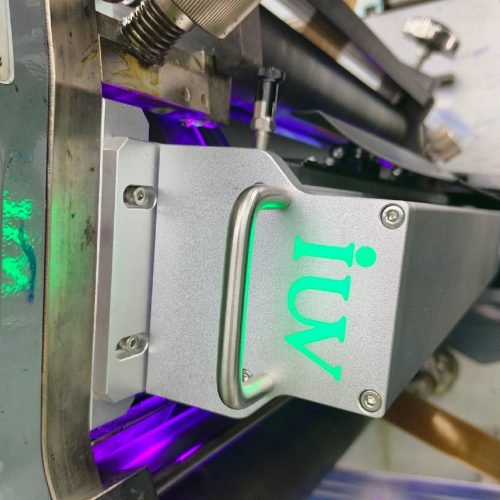
The intensity of these systems is also noteworthy. Modern high-intensity LEDs can deliver precise and powerful UV energy, ensuring thorough and rapid curing of inks, coatings, and adhesives. This high energy output allows for faster press speeds, further boosting productivity, even on very limited print runs.
Enhanced Substrate Flexibility and Print Quality
One of the most impactful benefits of LED curing, particularly high-intensity systems, is their low heat emission. Mercury lamps generate considerable infrared radiation, which transfers heat to the substrate. This can lead to issues like shrinkage, deformation, or delamination, especially with thin films or heat-sensitive materials common in label applications. High-intensity LEDs emit very little heat, allowing printers to work with a much broader range of substrates without compromising dimensional stability or causing quality degradation. This opens up new possibilities for unique label designs and materials that were previously challenging or impossible to handle with traditional UV curing.
The precise wavelength control of LEDs also contributes to superior print quality. Different LED configurations can be tuned to specific UV wavelengths that are most effective for particular ink chemistries. This targeted energy delivery ensures optimal curing, resulting in sharper dot definition, more vibrant colors, and enhanced resistance to scuffing and chemicals. For short-run jobs where brand perception is critical, consistent high quality is non-negotiable.
Cost-Effectiveness and Sustainability for Short Runs
The economic advantages of high-intensity LED curing for short-run label jobs are substantial. While the initial investment might be higher than for traditional mercury lamp systems, the long-term operational savings are compelling.
- Reduced Energy Consumption: LEDs are significantly more energy-efficient than mercury lamps. Their instant on/off feature means energy is only consumed when the lamp is actively curing, unlike mercury lamps that are often left on to maintain operational temperature.
- Elimination of Lamp Replacement Costs: LEDs have an exceptionally long operational life, often exceeding 20,000 to 30,000 hours. This drastically reduces the frequency and cost associated with replacing mercury lamps, which typically last only a few thousand hours.
- Minimized Waste: The instant on/off and precise control reduce start-up waste and material spoilage. For short runs, where waste can disproportionately impact profitability, this reduction is critical.
- Lower Cooling Requirements: Because they generate less heat, LED systems often require less ancillary cooling equipment, further reducing energy consumption and maintenance.
From a sustainability perspective, LEDs are also a more environmentally friendly option. Their lower energy consumption contributes to a reduced carbon footprint. They also do not contain mercury, an element that requires special handling and disposal procedures, making them a safer and greener choice for printing operations.
Applications in Narrow Web Printing
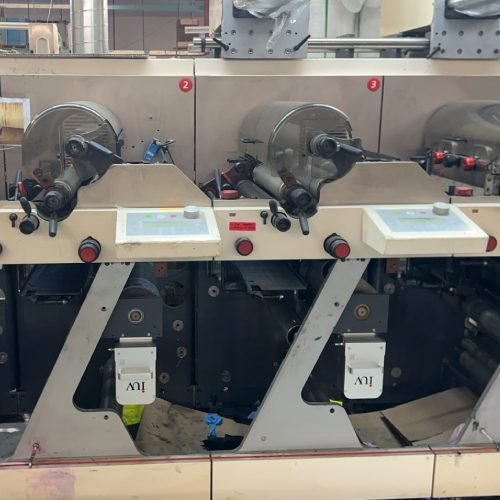
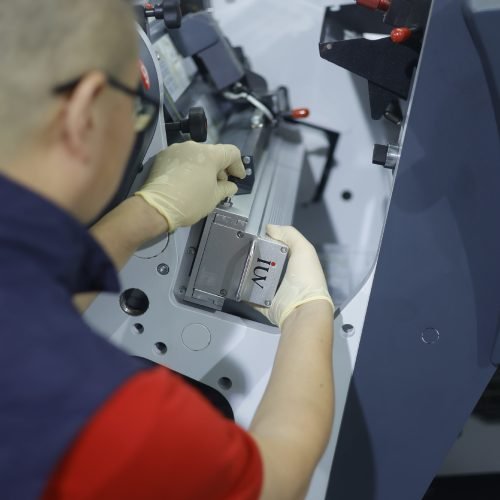
High-intensity LED curing is particularly well-suited for the demands of narrow-web flexographic and offset label printing. These presses often operate at high speeds and require efficient, reliable curing solutions.
Flexographic Printing: In flexo, where intricate details and vibrant colors are often required, LEDs ensure that inks and coatings are fully cured without smudging or transferring. The ability to cure at high speeds on a variety of substrates, from paper to films, is a major benefit for short-run, high-volume label production. Flexo printers can now offer specialized finishes, like spot varnishes or tactile effects, with greater confidence and efficiency.
Offset Printing: For label printers utilizing offset technology, high-intensity LED curing enables them to achieve high-quality, durable prints on a wide array of materials. The consistent energy output ensures excellent ink transfer and finish, even for demanding applications like wine and spirits labels or specialty product labels that require exceptional visual appeal and robustness. The reduced heat minimizes the risk of issues on lightweight stocks, which are often used in offset label printing to manage costs.
Optimizing for Specific Label Requirements
The versatility of high-intensity LED systems allows for customization based on specific job needs. Different wavelengths are optimized for various ink types:
- UVA (315-400 nm): Commonly used for a broad spectrum of inks and coatings, offering good through-cure.
- UVB (280-315 nm): Less common in general printing, but can be used for specific applications.
- UVC (100-280 nm): Not typically used for curing inks due to potential material degradation, but has other industrial applications.
By selecting the appropriate LED array, printers can ensure optimal curing efficiency and performance for inks formulated with specific photoinitiators. This precise control is crucial for short-run jobs where experiments with new ink formulations or special effects are more feasible and can be executed without extensive retooling or long test runs.
The Future of Short-Run Label Production
The integration of high-intensity LED UV curing technology is not just an improvement; it’s a fundamental enabler for the modern short-run label market. It addresses the core challenges of speed, cost, material flexibility, and quality that have historically hampered smaller print volumes. Printers equipped with this technology are better positioned than ever to capitalize on the growing demand for personalized, on-demand labels across diverse industries. As the technology continues to advance, we can expect even greater efficiencies, new application possibilities, and a more sustainable printing future for all label converters.