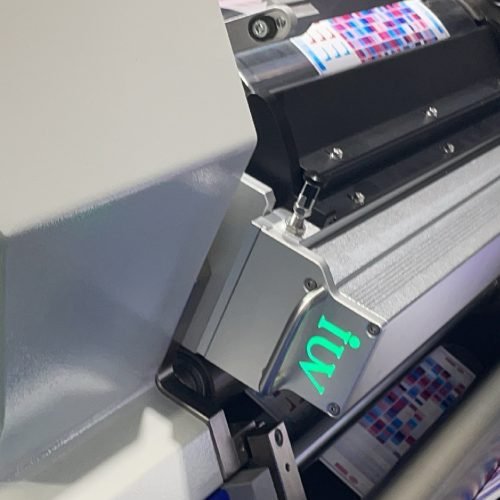
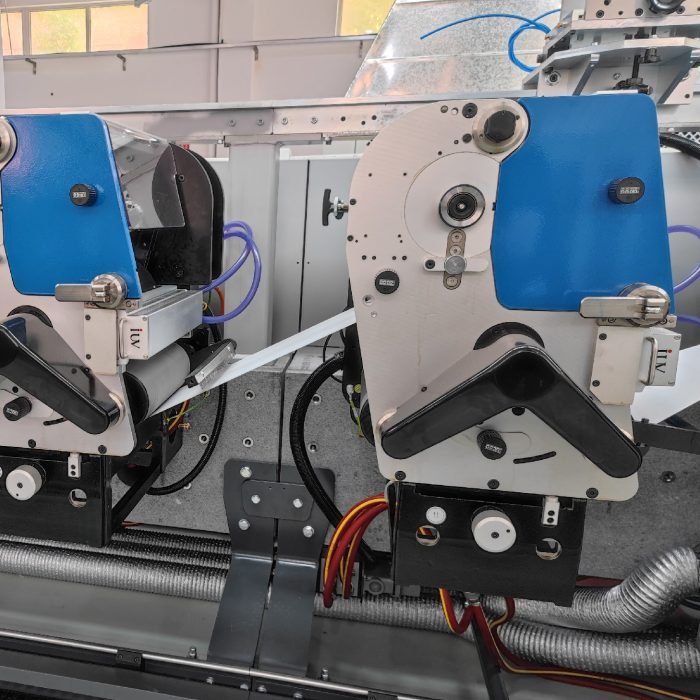
High-intensity LED curing systems are transforming the landscape of multi-layer label printing. This advanced technology offers significant advantages over traditional methods, particularly for applications demanding speed, precision, and enhanced functionality. Understanding how these systems support multi-layer label production is key for printers looking to innovate and gain a competitive edge.
The complexity of multi-layer labels often involves printing on both the front and back of a substrate, or even incorporating adhesive layers between multiple printed films. Each layer requires precise ink or coating application and subsequent curing. Traditional UV curing systems, often lamp-based, can struggle to provide the consistent energy needed across multiple printing stations and for different ink types, especially at high speeds. This is where high-intensity LED curing shines.
The Evolution of UV Curing in Label Printing
For years, UV curing has been a staple in the printing industry. It utilizes ultraviolet light to instantly polymerize (cure) inks, coatings, and adhesives. This offers immediate handling of printed materials, solvent-free operation, and the ability to print on a wide range of substrates, including heat-sensitive films. However, traditional mercury vapor lamps have limitations. They generate significant heat, have a finite lifespan, and their UV output can degrade over time, requiring frequent replacement and energy-intensive operation. Furthermore, achieving uniform curing across multiple, diverse layers in a single pass was challenging.
High-Intensity LED Curing: A Paradigm Shift
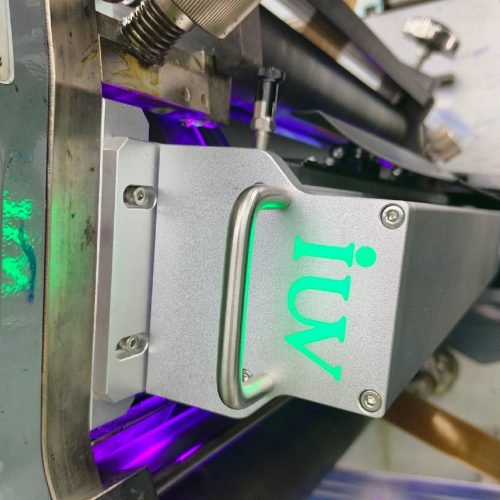
High-intensity LED (Light Emitting Diode) curing systems represent a significant leap forward. Unlike broad-spectrum mercury lamps, LEDs emit UV light within very specific wavelength bands. This targeted emission is highly efficient for curing specific UV-curable formulations. The “high-intensity” aspect refers to the power density of these systems, meaning they can deliver a concentrated burst of UV energy in a short time.
This concentrated energy delivery is crucial for multi-layer label printing for several reasons. Firstly, it allows for faster line speeds. In a multi-layer process, each printing unit is followed by a curing unit. If each curing step is slow, the overall production speed is dramatically reduced. High-intensity LEDs can cure inks and coatings almost instantaneously, enabling presses to run at their maximum mechanical speed.
Secondly, LEDs offer superior control over the curing process. Because they emit light at specific wavelengths (e.g., 365nm, 395nm, 405nm), printers can precisely match the LED output to the spectral sensitivity of their inks and coatings. This ensures efficient and complete cure, even for challenging formulations used in multi-layer constructions. This precision is vital when dealing with different ink chemistries required for front and back printing, or for specialty adhesive layers.
Supporting Multi-Layer Label Printing Processes
Multi-layer labels can be produced in various ways, but common challenges include achieving excellent adhesion between layers, ensuring complete cure without overheating sensitive substrates, and maintaining print quality across multiple passes. High-intensity LED curing addresses these challenges effectively.
1. Enhanced Adhesion Between Layers
In many multi-layer labels, a layer of adhesive is applied and cured to bond different printed films or substrates together. This adhesive layer must be fully cured to provide structural integrity and prevent delamination. High-intensity LEDs, with their focused energy, can rapidly cure UV-curable adhesives, creating a strong bond quickly and without excessive heat buildup. This is particularly beneficial when bonding heat-sensitive films. The rapid, localized curing minimizes the thermal load on the substrate, preventing distortion or damage.
2. Improved Print Quality and Durability
When printing multiple layers, maintaining sharp graphics and vibrant colors is paramount. High-intensity LED curing ensures that each layer of ink is fully cured before the next is applied. This prevents ink transfer, smearing, and ensures that subsequent printing stations do not disturb previously printed layers. The thorough cure achieved by high-intensity LEDs also enhances the durability of each printed layer, making the final label resistant to abrasion, chemicals, and environmental factors. This is critical for labels that will be exposed to harsh conditions in their application.
3. Compatibility with Various Printing Technologies
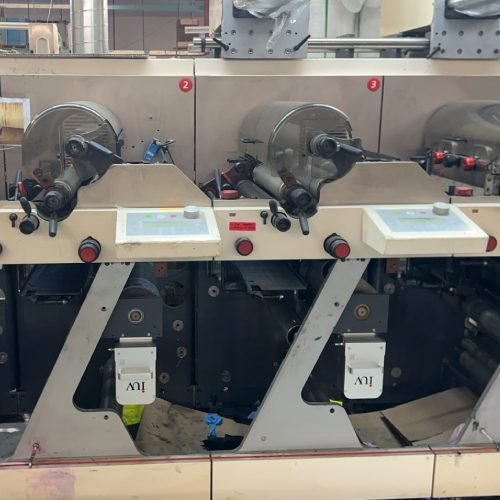
Multi-layer labels are often produced using a combination of printing technologies, such as flexography (flexo) and offset lithography (offset). Narrow web presses are commonly employed for label production, and these presses often integrate multiple flexo and/or offset units. High-intensity LED curing systems are adaptable to these different printing methods.
- Flexographic Printing: Flexo is widely used for its versatility in label printing. LED curing units can be integrated seamlessly between flexo stations, providing rapid curing of inks and coatings before the substrate moves to the next print deck. This is especially beneficial for complex, multi-color jobs common in multi-layer label designs.
- Offset Lithography: For high-volume, high-resolution label printing, offset is often preferred. Offset inks can sometimes be slower to cure than flexo inks. High-intensity LED systems provide the necessary power to cure offset inks quickly, keeping pace with the demands of modern offset presses used in multi-layer applications.
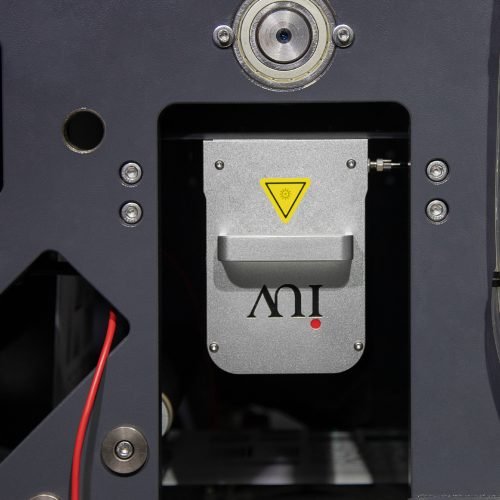
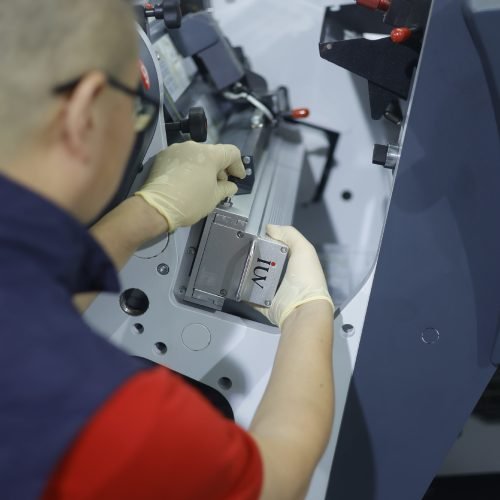
- Narrow Web Presses: The compact nature of LED curing units makes them ideal for narrow web presses, where space is often at a premium. They can be fitted into existing press configurations or specified in new equipment without significant modifications. This allows printers to upgrade their narrow web capabilities for multi-layer production.
4. Energy Efficiency and Reduced Heat Output
Compared to traditional mercury lamps, LED curing systems are significantly more energy-efficient. They consume less power and have a much longer operational lifespan (tens of thousands of hours versus hundreds for mercury lamps). Crucially for multi-layer printing on sensitive substrates, LEDs generate very little infrared heat. This allows printers to achieve high cure speeds without the risk of damaging or distorting the substrate, which is a common concern when printing on thin films or plastics. This reduced heat output also contributes to a safer working environment.
5. Reduced Downtime and Maintenance
The extended lifespan of LEDs means fewer bulb changes and less frequent maintenance. This translates directly to reduced downtime and lower operational costs. For a printer producing multi-layer labels, where press uptime is critical to meeting deadlines, this reliability is a major advantage. The consistent UV output of LEDs also means that cure performance remains stable over time, eliminating the need for constant adjustments due to degrading lamp intensity.
Addressing Specific Multi-Layer Label Needs
Multi-layer labels encompass a wide range of products, from promotional labels with peel-away layers to multi-ply constructions for product information and security.
- Promotional Labels: These often require specific adhesive formulations that allow for easy removal without leaving residue. High-intensity LED curing ensures these adhesives are cured sufficiently for functionality but also appropriately for their intended release properties.
- Durable Labels: Labels for industrial equipment, automotive parts, or outdoor use require robust inks and coatings. The thorough and efficient cure provided by high-intensity LEDs ensures maximum scratch resistance, chemical resistance, and weatherability for these demanding applications.
- Security Labels: Some multi-layer labels incorporate security features, which may require specialty inks or coatings. The precise wavelength control of LED curing is essential for activating these specific formulations.
The Future of Multi-Layer Label Printing
As the demand for sophisticated and functional labels continues to grow, so does the importance of efficient and high-performance printing technologies. High-intensity LED curing systems are no longer a niche technology; they are becoming a standard for progressive label printers. Their ability to deliver speed, precision, energy efficiency, and consistent results makes them an indispensable tool for mastering the complexities of multi-layer label printing. Printers investing in this technology are well-positioned to meet the evolving needs of their customers and to drive innovation in the label market.