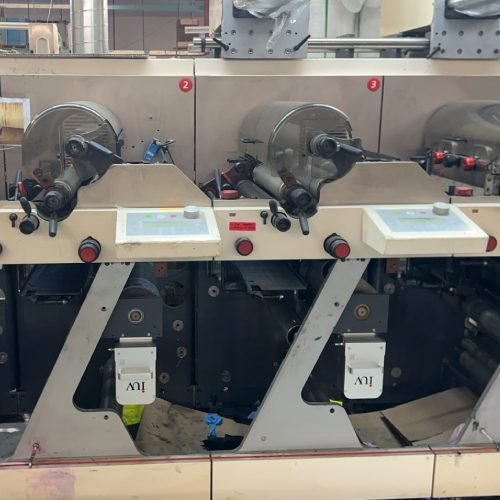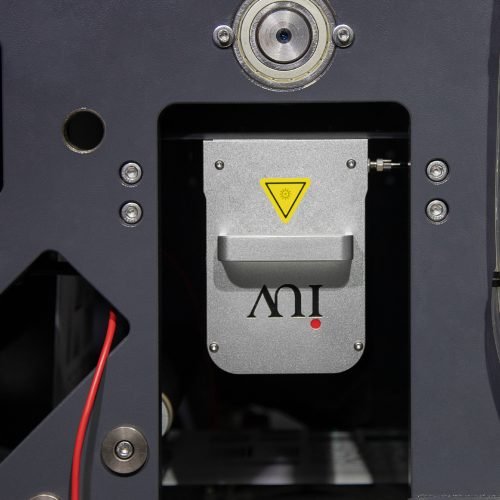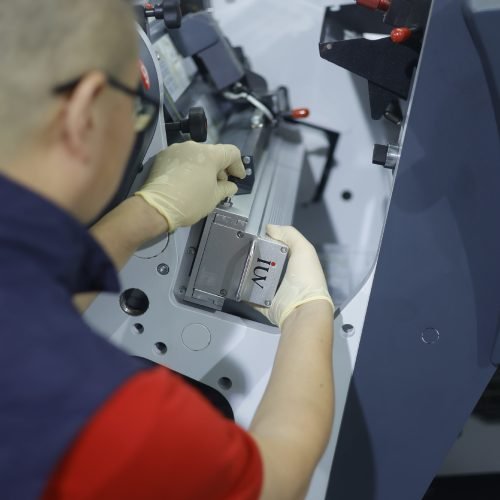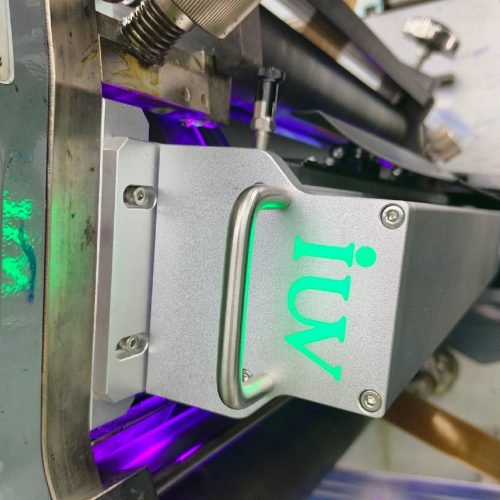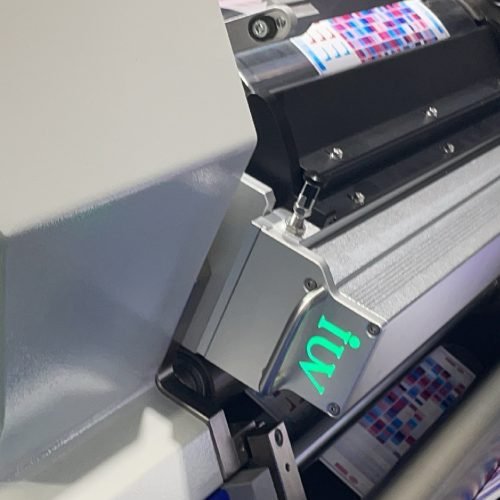
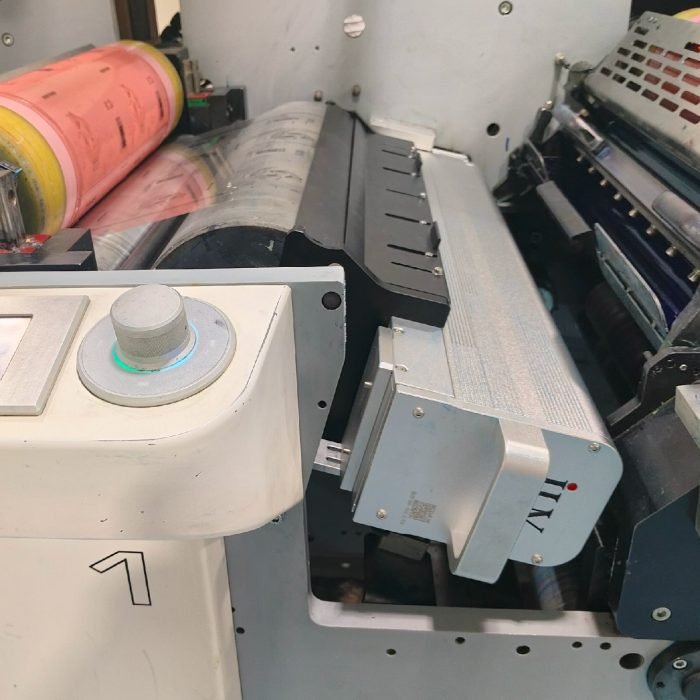
In the dynamic world of narrow-web printing, speed and efficiency are paramount. Businesses demand faster turnaround times, greater flexibility, and consistent, high-quality results. Traditional UV curing methods have long been a staple, but the advent of LED flexo technology is revolutionizing the landscape, offering a significant leap forward in curing speed and overall operational performance. This technology is not just an incremental improvement; it’s a fundamental shift that addresses many of the limitations of older systems, making it a compelling choice for modern narrow-web presses.
The core of this advancement lies in the unique properties of Light Emitting Diodes (LEDs) as a UV light source. Unlike mercury vapor lamps, which have been the industry standard for decades, LEDs emit a specific, narrow spectrum of UV light. This targeted emission is precisely tuned to the absorption wavelengths of UV-curable inks, coatings, and adhesives. The result is a much more efficient transfer of energy directly to the curing components within the ink. This targeted approach means less wasted energy and, crucially, a faster and more thorough cure.
Understanding the Curing Process in Flexography
Before diving deeper into LED technology, it’s helpful to briefly revisit the flexographic curing process. In flexography, ink is transferred from an anilox roll to a printing plate, which then impresses the image onto the substrate. For many applications, especially on non-absorbent materials like films and foils common in narrow-web printing, this ink needs to be solidified rapidly to prevent smudging, allow for immediate handling, and enable multiple printing stations to operate without ink transfer issues. This solidification is achieved through UV curing, where UV light initiates a photochemical reaction in the ink, causing it to polymerize and harden almost instantaneously.
Traditional mercury lamps generate UV light across a broad spectrum, including wavelengths that do not contribute to curing. This means a significant portion of the energy produced is essentially wasted, heating the substrate and the surrounding environment. This broad spectrum also requires a longer exposure time to achieve a complete cure, as the specific curing wavelengths are less concentrated. Furthermore, mercury lamps have a finite lifespan and degrade over time, leading to inconsistent curing performance and the need for frequent replacement.
The LED Advantage: Precision and Power
LED flexo technology fundamentally changes this equation. By emitting UV light only at the precise wavelengths required for curing, LEDs dramatically increase energy efficiency. This targeted approach means that more of the emitted light is actively participating in the curing reaction. This leads to several key benefits, the most prominent being accelerated curing times. Narrow-web presses equipped with LED UV curing can achieve full cure in fractions of a second, often at much higher press speeds than were previously achievable with mercury lamp systems.
The implications for narrow-web printing are profound. Higher press speeds translate directly into increased throughput and productivity. This is particularly valuable for label printers who are under constant pressure to meet tight deadlines and high-volume orders. Faster curing also means less waiting time between print stations, allowing for more complex multi-color jobs to be printed inline without compromise. This streamlined process reduces bottlenecks and improves overall operational efficiency.
Substrate Compatibility and Heat Management
Another significant advantage of LED UV curing is its minimal heat output. Unlike mercury lamps, which generate substantial heat, LEDs produce very little infrared radiation. This is a critical factor in narrow-web printing, where many applications involve heat-sensitive substrates such as thin films, shrink sleeves, and certain types of plastics. Traditional UV curing could sometimes cause these materials to warp, shrink, or degrade due to excessive heat, limiting the types of substrates that could be printed effectively.
LED technology, with its low heat emission, allows printers to work with a much wider range of substrates, including delicate and heat-sensitive materials, without the risk of thermal distortion. This expands the creative and application possibilities for label and packaging designers and producers, opening up new market opportunities. The reduced heat also contributes to a more comfortable and safer working environment for press operators.
Ink and Coating Formulations for LED Curing
The shift to LED UV curing has also influenced the development of specialized ink and coating formulations. These new formulations are optimized to react efficiently with the specific wavelengths emitted by LEDs. This synergy between LED light sources and advanced ink chemistry ensures optimal curing performance. Printers can now access a wider array of inks and coatings designed for LED curing, offering enhanced adhesion, scratch resistance, color vibrancy, and other desirable properties. This opens doors for printing on a diverse range of challenging substrates while achieving superior aesthetic and functional outcomes.
While initial investment in LED curing systems may be higher than for traditional mercury lamp setups, the long-term economic benefits are substantial. LEDs have a significantly longer operational lifespan, often lasting tens of thousands of hours, compared to mercury lamps which typically last around 1,000-2,000 hours. This drastically reduces downtime associated with lamp replacement and lowers ongoing consumable costs. Furthermore, LEDs consume considerably less energy, leading to reduced electricity bills. The efficiency gains, coupled with reduced waste and increased productivity, contribute to a faster return on investment and improved profitability.
Environmental and Operational Benefits
Beyond the direct impact on speed and quality, LED flexo technology offers compelling environmental and operational advantages. The lower energy consumption of LEDs directly translates to a smaller carbon footprint, aligning with the growing demand for sustainable printing practices. The absence of mercury in LED lamps also eliminates the environmental hazards associated with their disposal, making LED systems a more eco-friendly choice.
From an operational perspective, the instant on/off capability of LEDs is another noteworthy feature. Unlike mercury lamps that require a warm-up period, LEDs provide full UV output immediately. This allows for on-demand curing and can further contribute to energy savings by only activating the lamps when printing is in progress. The compact nature of LED arrays also allows for more flexible integration into existing press designs or the development of more streamlined, space-saving equipment.
The Future of Narrow-Web Printing is LED Cured
For narrow-web printers, embracing LED flexo technology is not just about keeping up with trends; it’s about unlocking new levels of performance, flexibility, and profitability. The ability to achieve faster curing times, work with a wider range of substrates, reduce energy consumption, and minimize operational costs positions LED technology as the future of UV curing in this demanding sector of the printing industry. As the technology continues to evolve and ink formulations become even more sophisticated, the advantages of LED flexo will only become more pronounced, solidifying its role as a critical enabler for modern, high-speed, and high-quality narrow-web printing operations. The transition to LED UV curing represents a strategic investment that pays dividends in speed, quality, versatility, and sustainability, ultimately empowering printers to meet and exceed the ever-increasing demands of their clientele.